Education For All, Basic and Secondary Learning, and Entertainment. Free learning and entertainment for all. Aspects of the English Language, Basic Mathematics, General Knowledge Revision, Nkwen Language, music and Entertainment, Education for All Podcast.
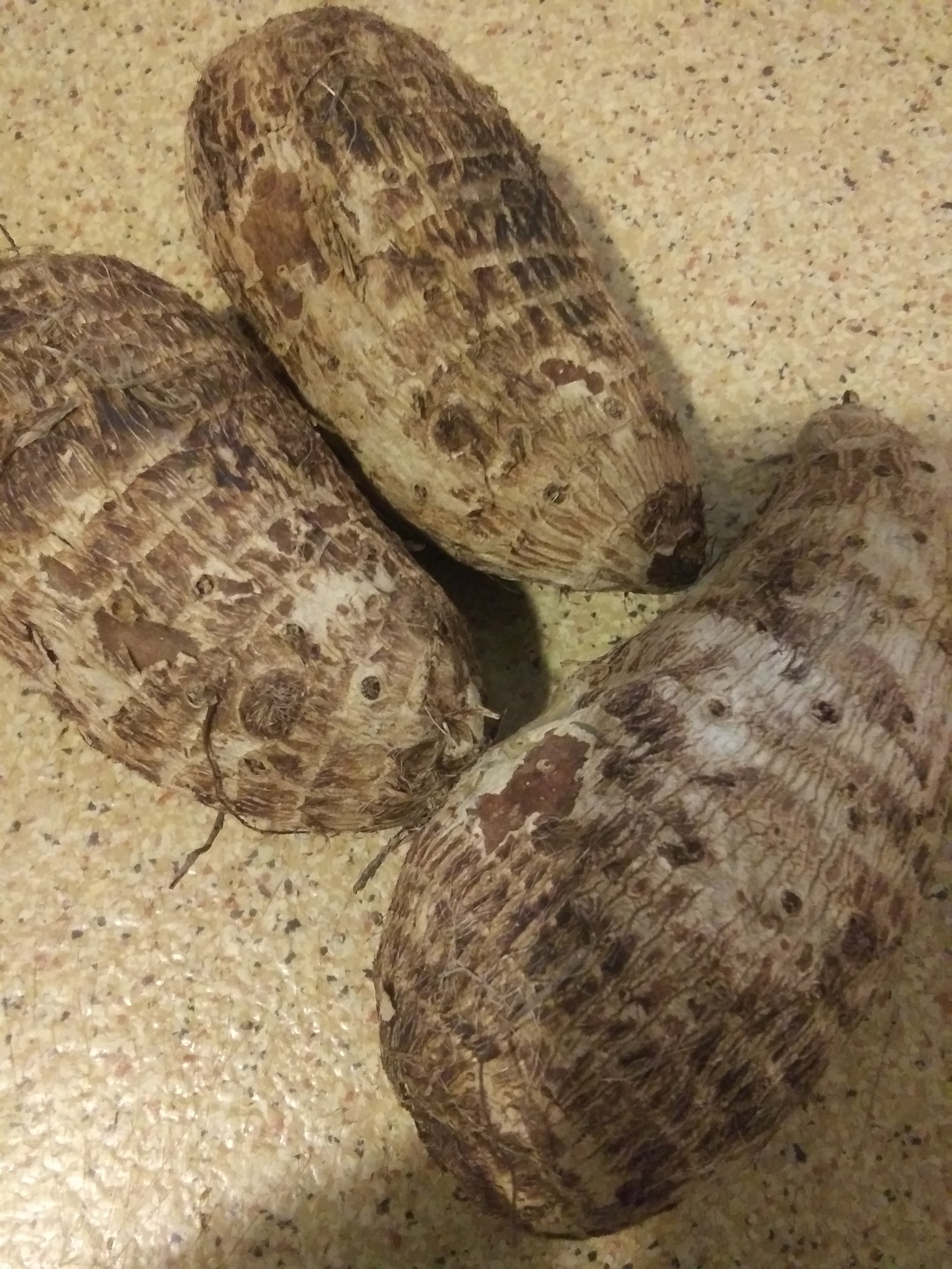
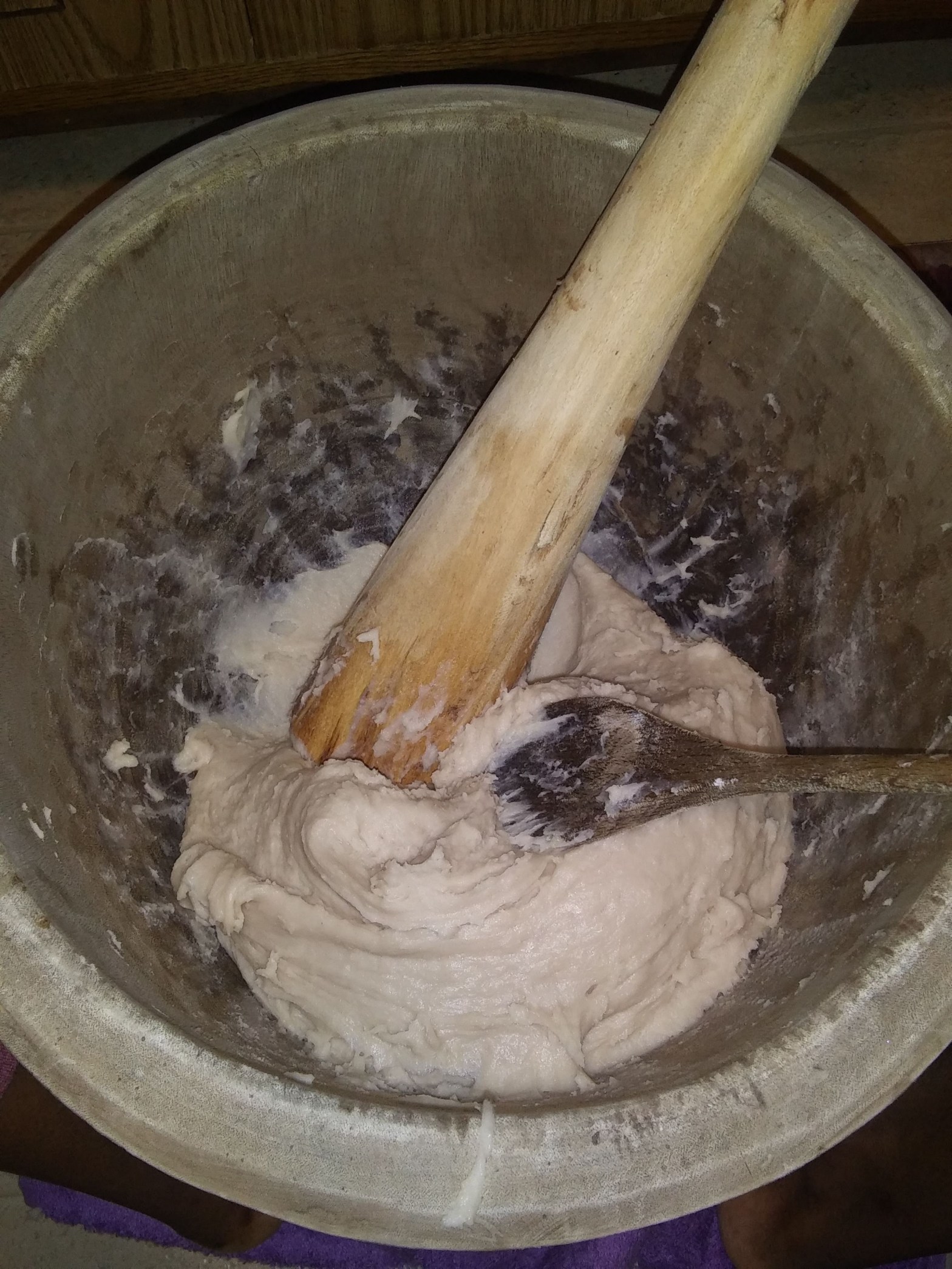
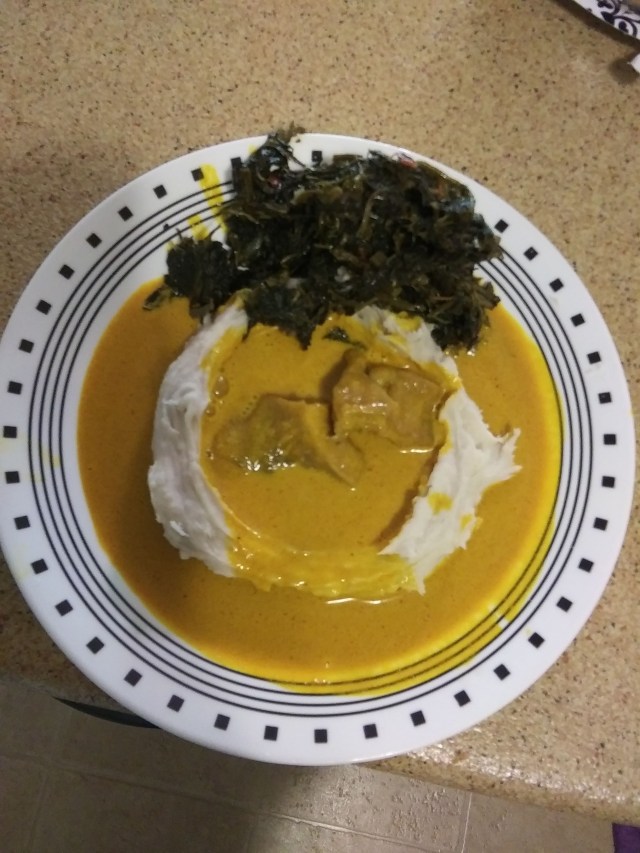
Food crop cultivation is the background of the economy of the Nkwen people. Its importance cannot be overemphasized as it has increased the living standard of the inhabitants of this community. There are very many different types found, and here are some of them.
Coronavirus, also called COVID-19, is a new illness that started in China last year. It has spread to all countries in the world and has now reached our country – Cameroon. Most people who get this illness recover but it has also killed a lot of people and so can also kill you.
Who gets seriously ill from this disease?
People of all ages can get this illness. But people who are already sick with illnesses such as asthma, diabetes, heart disease, high blood pressure may become seriously ill from this disease. Signs: Fever, Dry cough, Tiredness, Muscle pains.
The symptoms of a coronavirus infection are fever, dry cough, muscle pains, tiredness. Some people also have nasal congestion and sore throat. Some people, although infected, have no signs but can spread it. Serious cases have to be treated in the hospital.
How can you catch it? How can you pass it to others?
People get this disease by being near people who already have it or touching something that an infected person touched. The thing that causes the disease lives in our nose and lungs. When someone with the disease (whether they are ill or not) coughs or sneezes the disease comes out of their mouth and nose and anyone standing close can catch it also through their nose, mouth, and even eyes. If someone with the disease coughs or sneezes in their hand and then touches anything (for example-a cup or bottle or door handle), the disease can stay on that thing for some time and can then infect anyone who touches that thing.
How to protect yourself
1. Avoid touching eyes, nose, mouth. Cover your mouth with a mask when going out of the house
2. Wash your hands frequently with soap and water as soap kills the disease.
3. cough or sneeze into the crook of your arm.
4. Keep at least two meters away from a person who is coughing or sneezing.
5. Do not shake hands or hug each other. Greet each other with a nod or a verbal greeting.
6. Avoid gatherings where you will be close to other people.
7. Stay at home as much as possible.
8. Keep informed and only act on information from people or sources you trust. What to do in case you think you are infected. If you have symptoms: – Avoid contact with other people. – Stay at home. – Call the hospital.
The English language can be tricky, particularly when it comes to pronunciation. One aspect that can be especially challenging for non-native speakers is the use of double sounds, which occur when two consecutive letters represent the same sound.
Double sounds in English can be found in both vowels and consonants.
The double sound is important because it changes the pronunciation of the word. For example, the word “seen” sounds different from “sin” because of the double “e” sound. Similarly, the word “coffee” sounds different from “coffin” because of the double “f” sound. The same goes for the other examples. It’s important to understand double sounds in English because mispronouncing a word can lead to misunderstandings. For example, saying “sin” instead of “seen” can completely change the meaning of a sentence.
One way to improve your pronunciation of double sounds is to listen to native speakers and practice saying the words yourself. You can also use online resources like YouTube videos or phonetic charts to help you learn the correct pronunciation.
In conclusion, double sounds are an important aspect of the English language that can be challenging for non-native speakers. Understanding and practicing the correct pronunciation of double sounds can help you improve your communication skills in English and avoid misunderstandings.
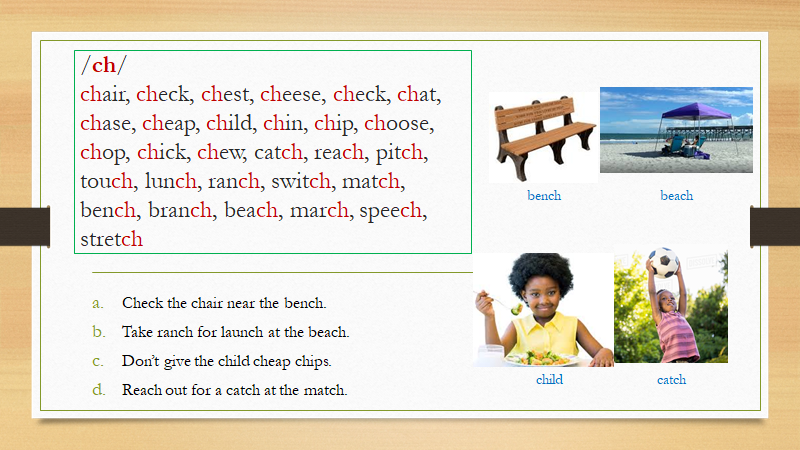
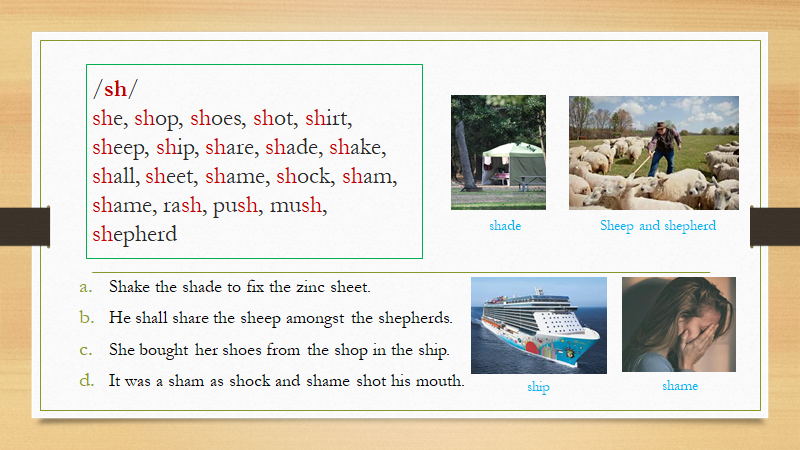
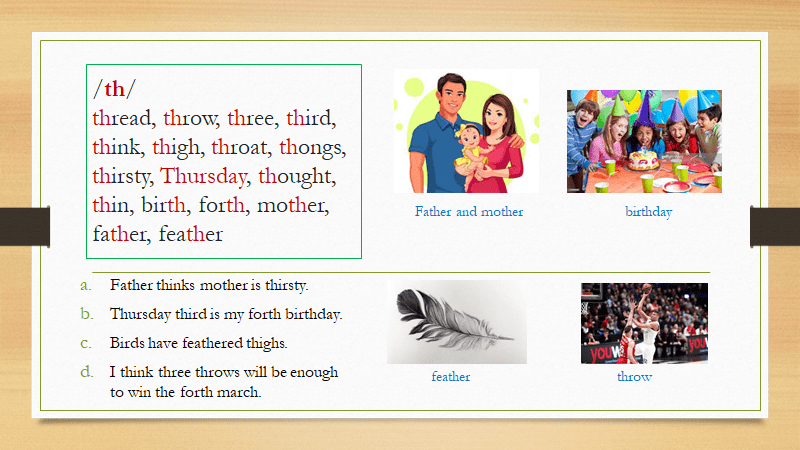
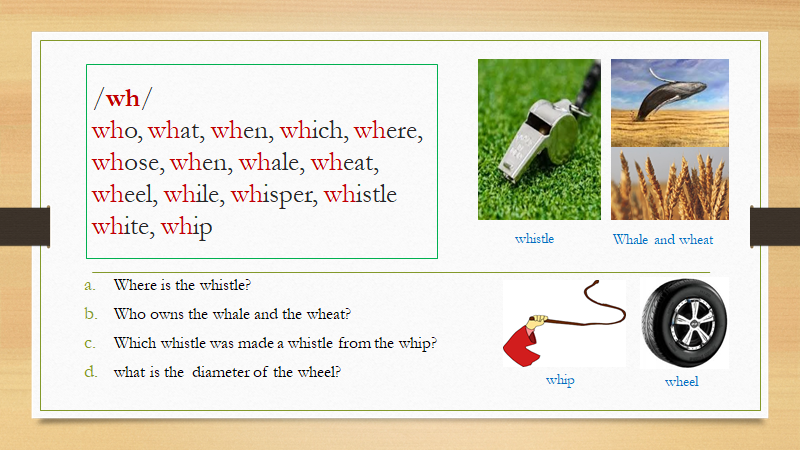
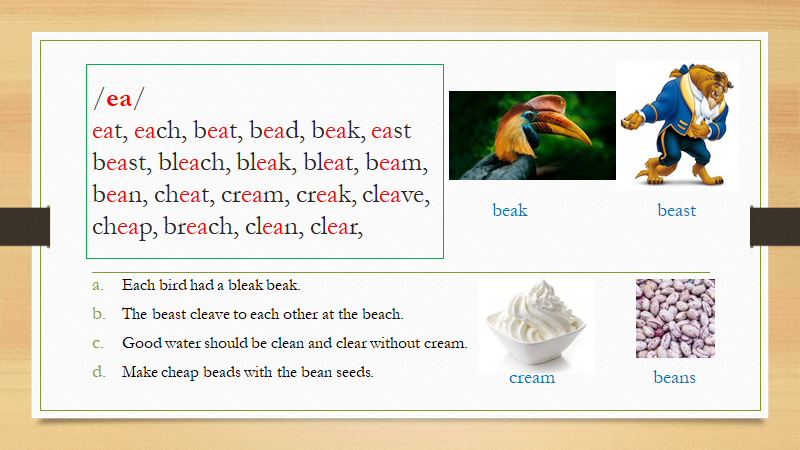
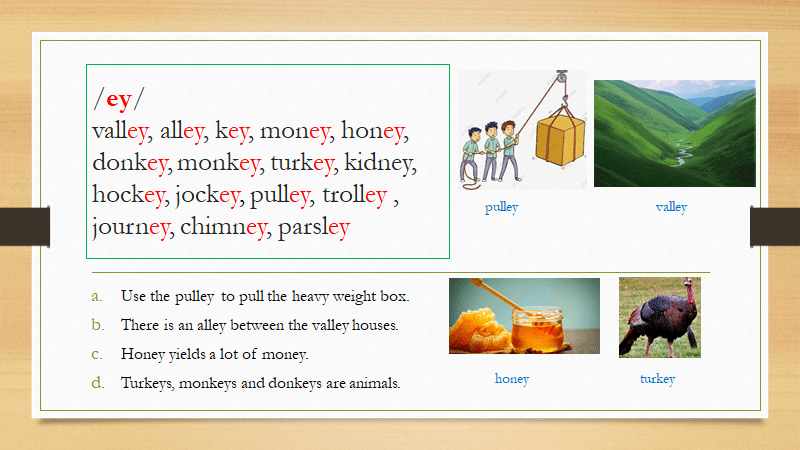
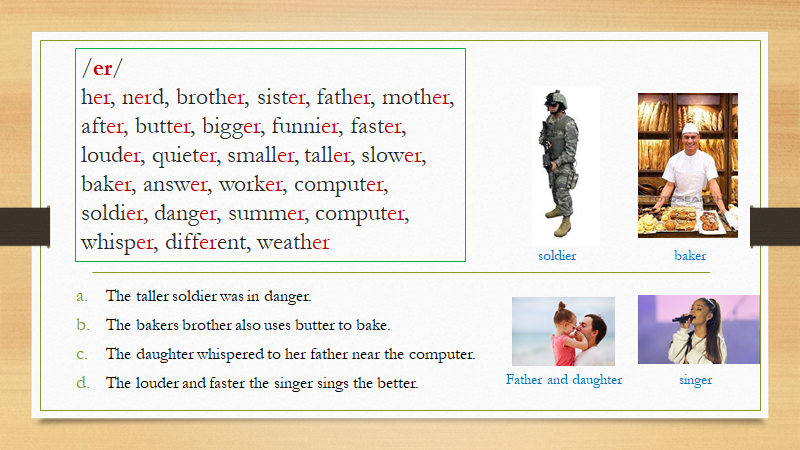
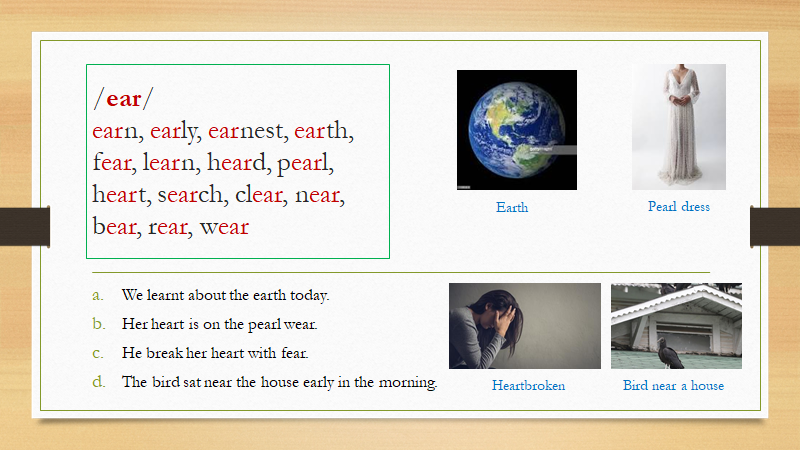
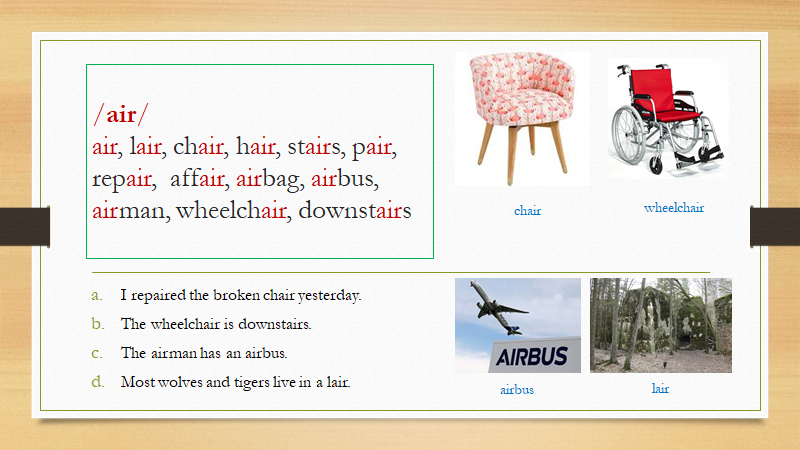
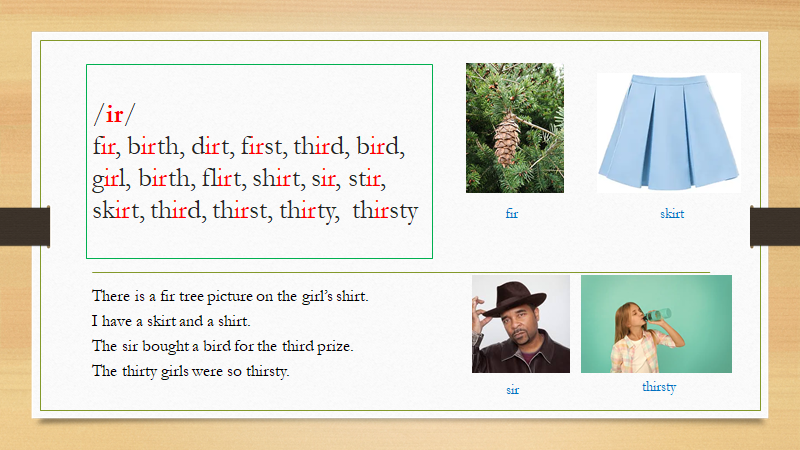
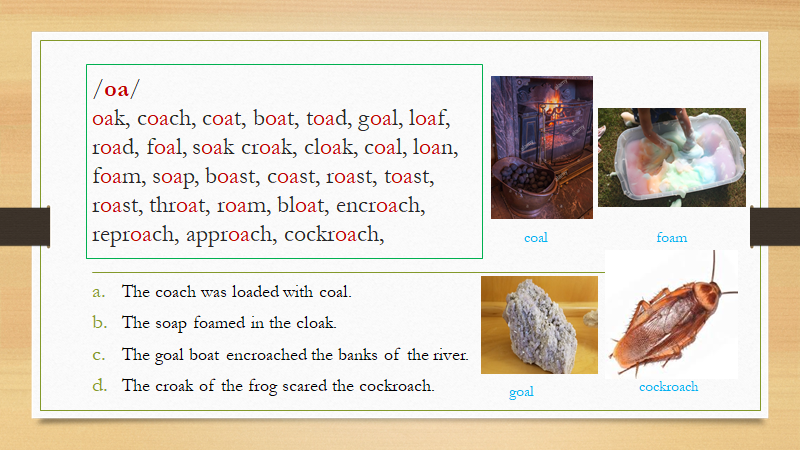
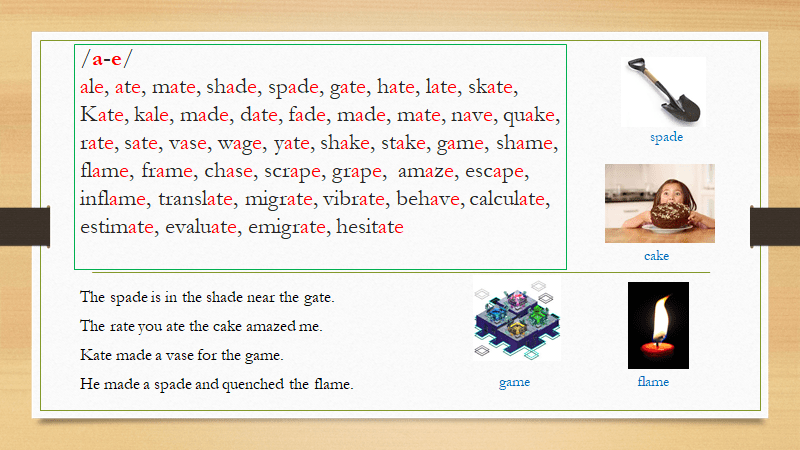
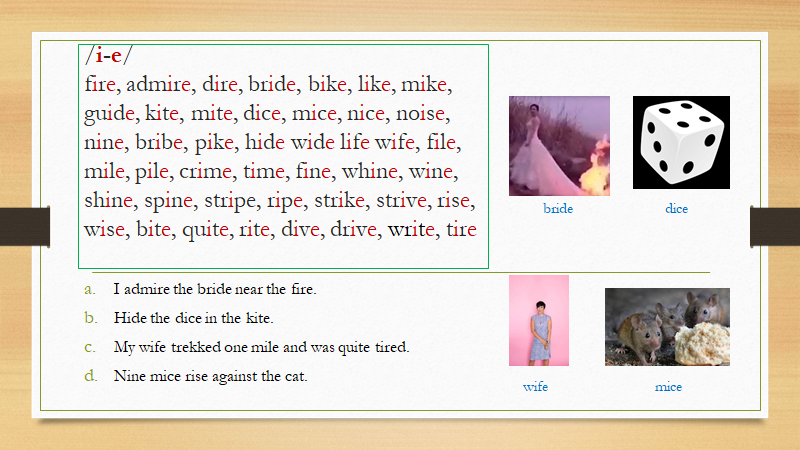
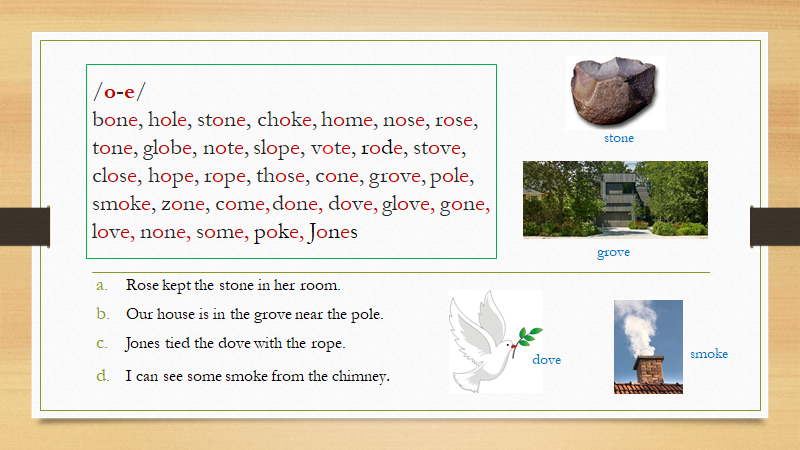
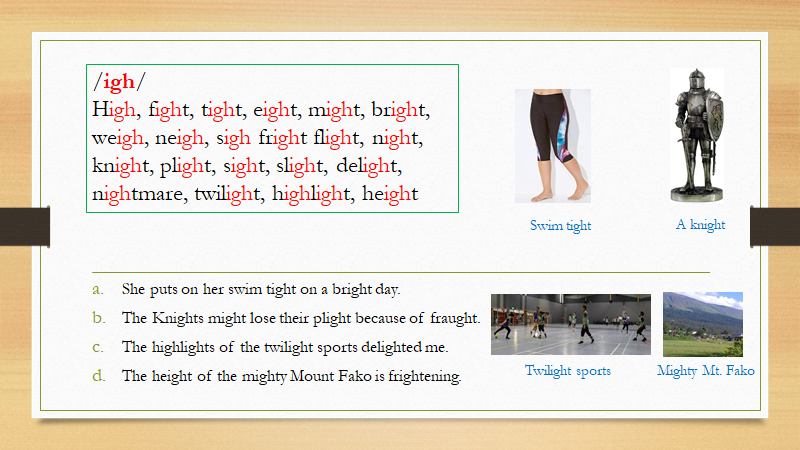
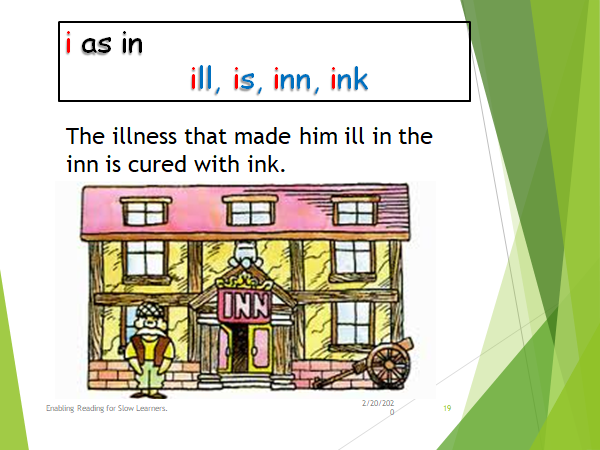
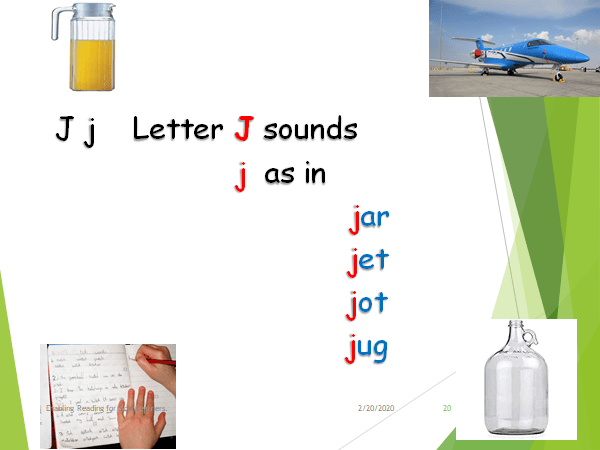
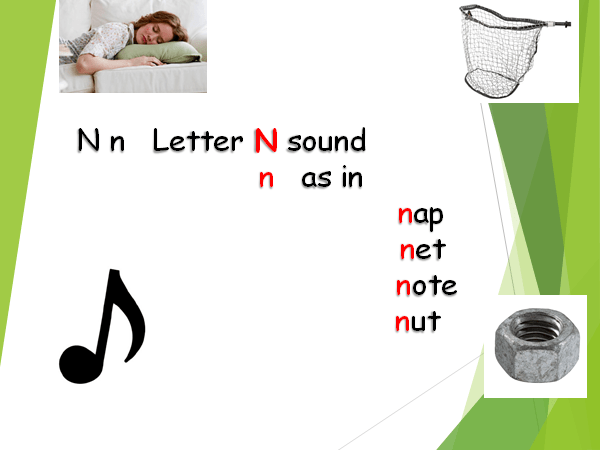
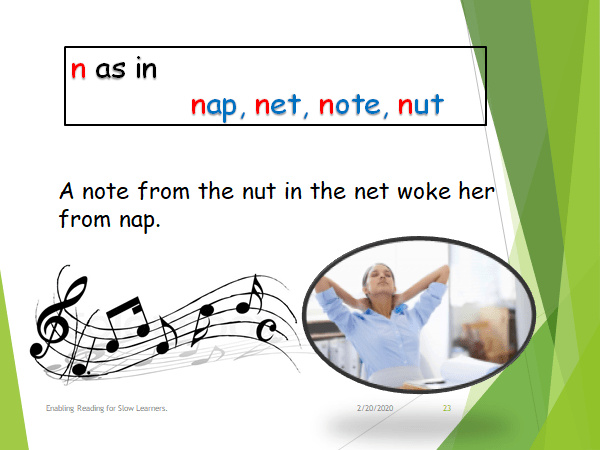
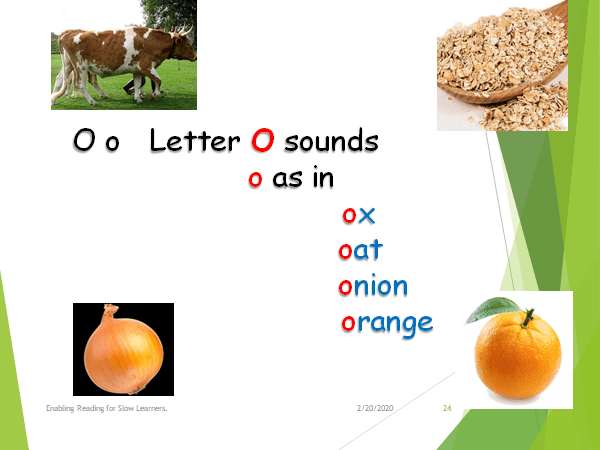
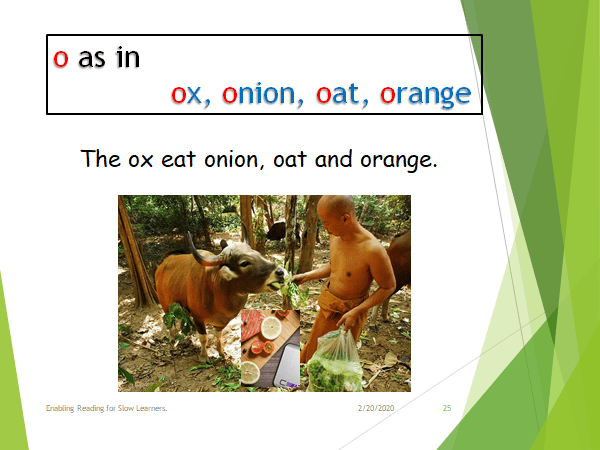
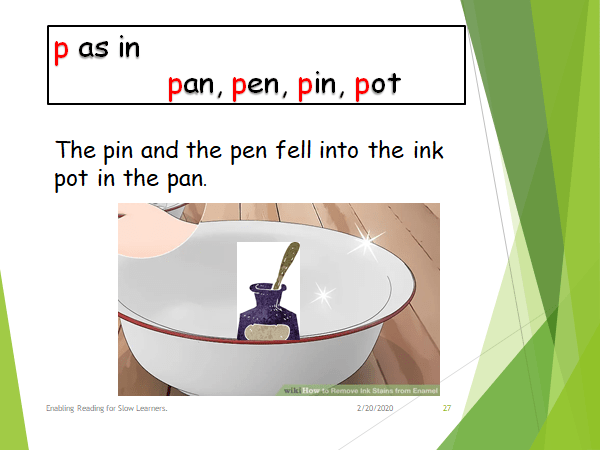
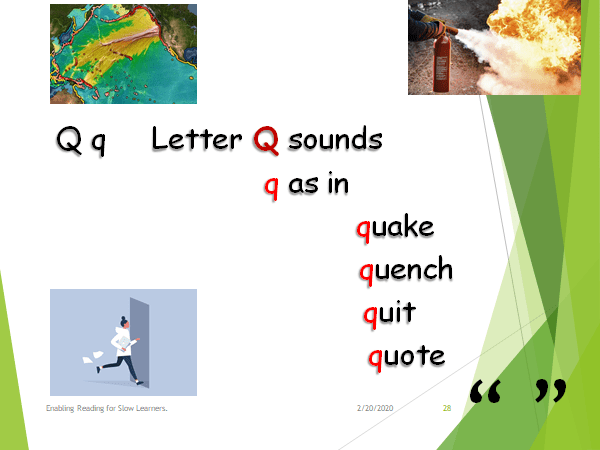
Below is an illustration of some double sounds found in the English Language.
Advertisements
Advertisements
Advertisements
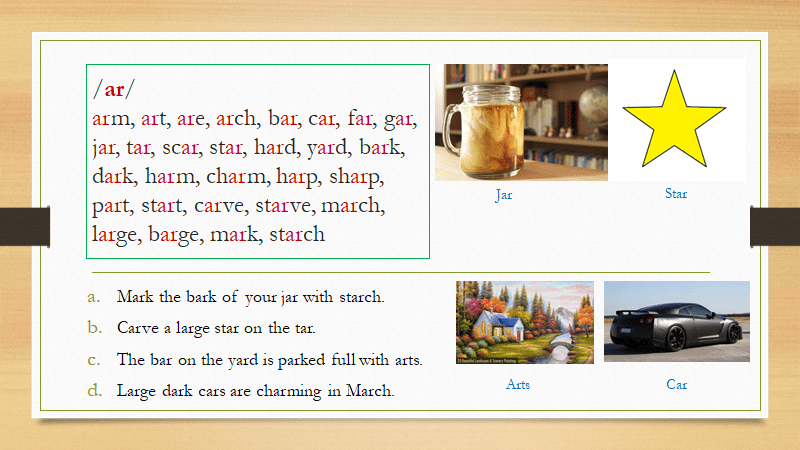
the /ar/ soundThe /ar/ sound
Advertisements
The-/ay/-soundThe /ay/ sound
Advertisements
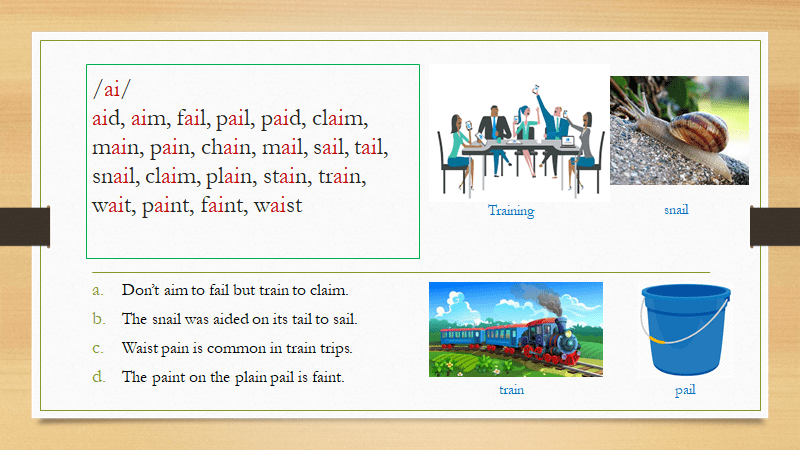
the-/ai/-sound
Advertisements
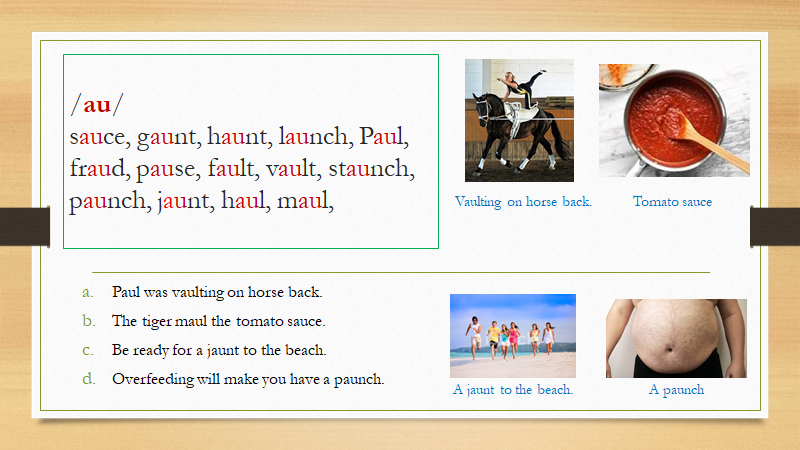
he /au/ soundThe /au/ sound
Advertisements
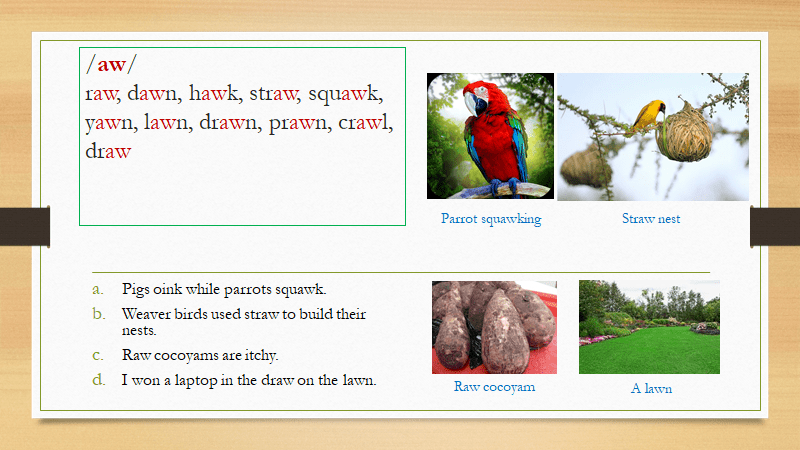
the /aw/ soundThe /aw/ sound
Advertisements
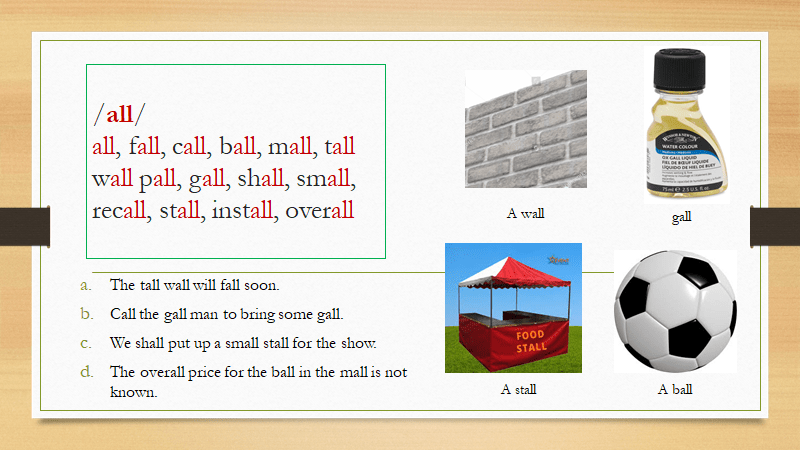
the /aw/ soundThe /all/ sound
Advertisements
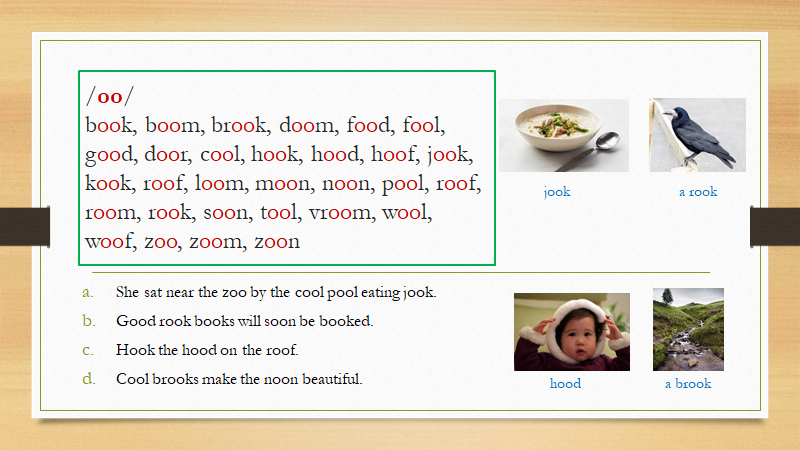
the /oo/ soundThe /oo/ sound
Advertisements
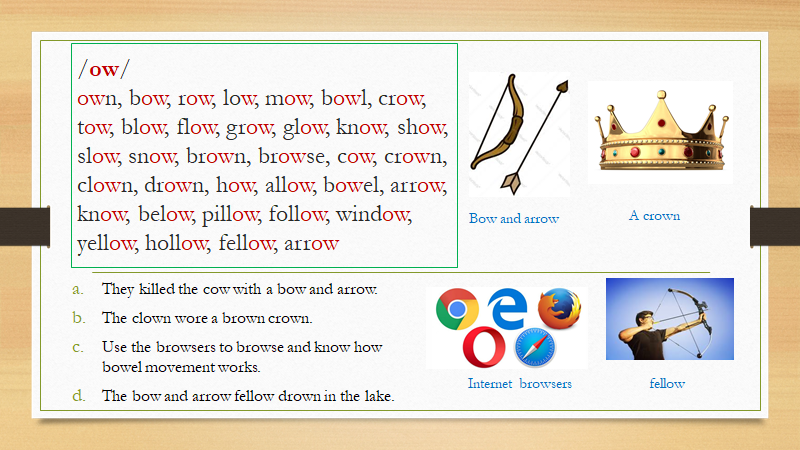
the /ow/ soundThe /ow/ sound
Advertisements
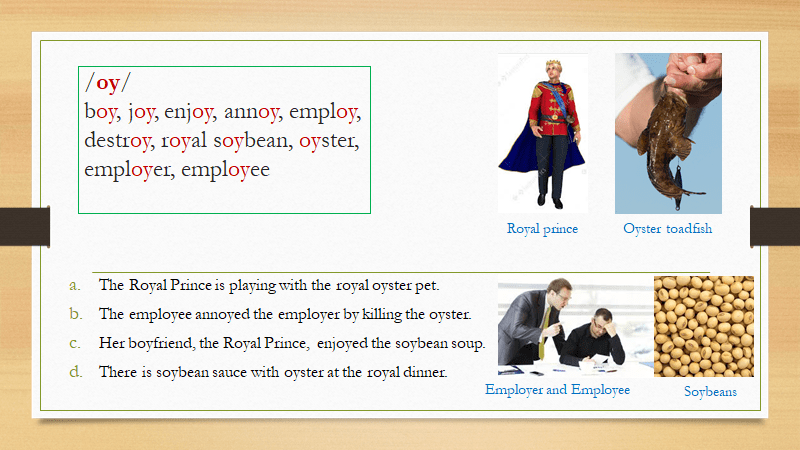
The /oe/ soundThe /oe/ sound The /oy/ soundThe /oy/ sound
Advertisements
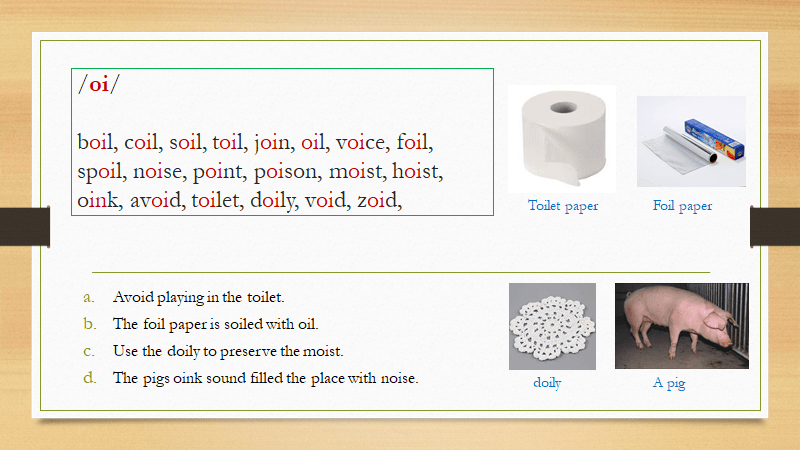
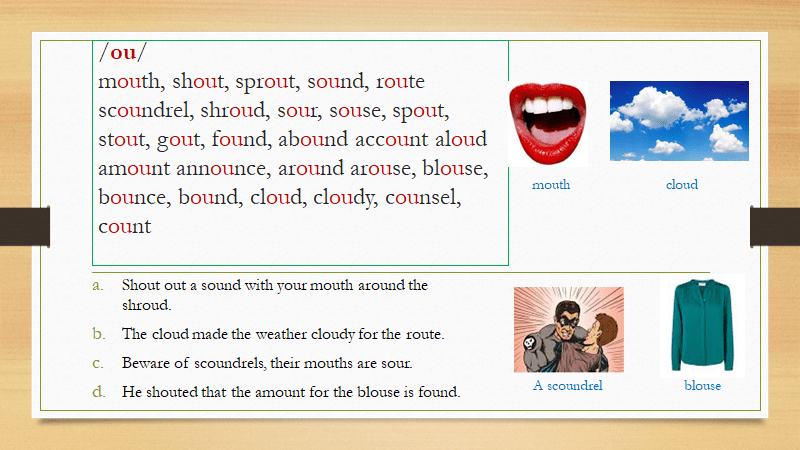
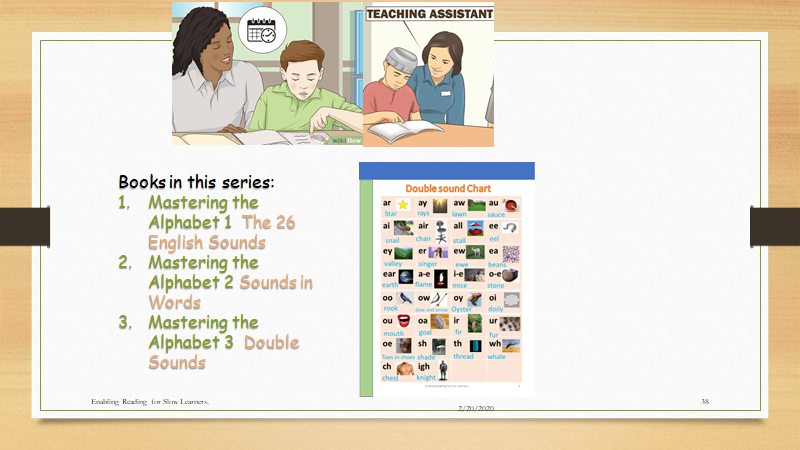
The /oi/ soundThe /oi/ sound hMastering the Alphabet 3 on Double SoundsThe /ou/ sound
The English language alphabet is one of the most widely used writing systems in the world. It consists of 26 letters, each with its own unique sound and shape.
Understanding the English language alphabet is essential to learning the language and communication, as it is the foundation of written and spoken English. The English language alphabet is based on the Latin alphabet, which was introduced to Britain by the Romans in the 1st century AD. The Latin alphabet had fewer letters than the English language alphabet, but it formed the basis for the modern English alphabet that we use today.
The English language alphabet consists of 5 vowels and 21 consonants. The vowels are
A, E, I, O, and U.
These letters represent the sounds that we make when we speak without closing our mouth, tongue, or lips.
The 21 consonants represent the sounds that we make when we speak by closing our mouth, tongue, or lips, and they are
B, C, D, F, G, H, J, K, L, M, N, P, Q, R, S, T, V, W, X, Y, and Z.
Each letter in the English language alphabet also has a unique shape. The shape of each letter represents the way that we write it, and it helps us to recognize and learn the letters.
Some letters, like A, B, C, D, E, F, G, and H, are written with straight lines and curves, while others, like M, N, and W, are written with more complex shapes. One benefit of learning the English language alphabet is that it makes learning English easier. Once you know the alphabet, you can begin to read and write English words. This is because English words are made up of letters from the alphabet.
For example, the word “apple” is spelled A-P-P-L-E, and the word “cat” is spelled C-A-T.
In conclusion, the English language alphabet is the foundation of written and spoken English. It consists of 26 letters, each with its own unique sound and shape. Understanding the English alphabet is essential to learning the language and communication. It also makes learning English easier since it allows you to read and write English words.
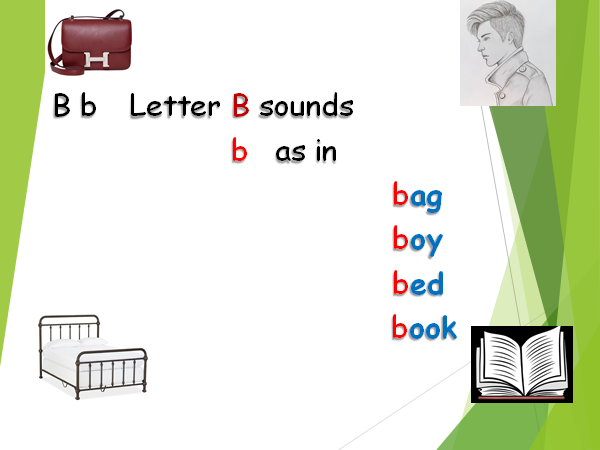
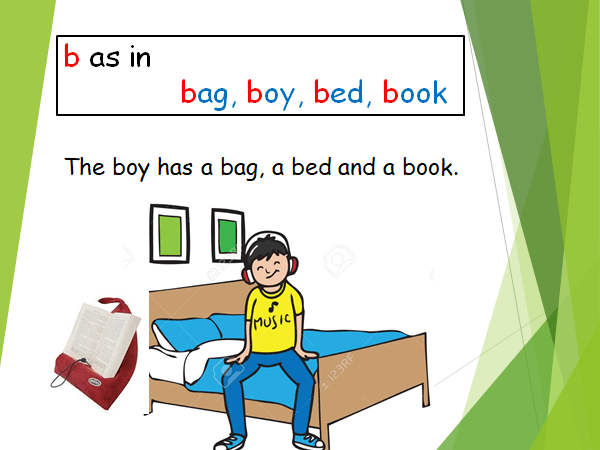
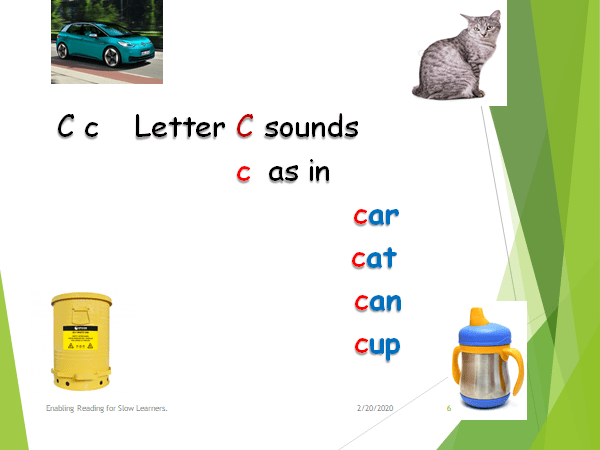
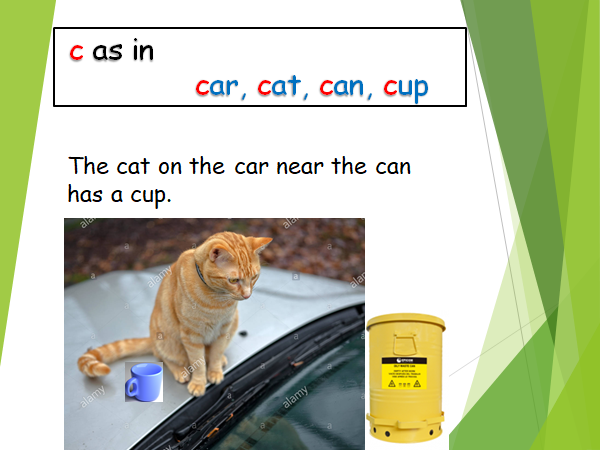
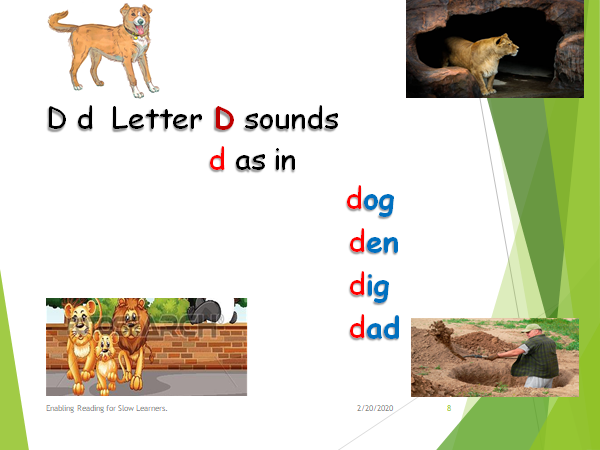
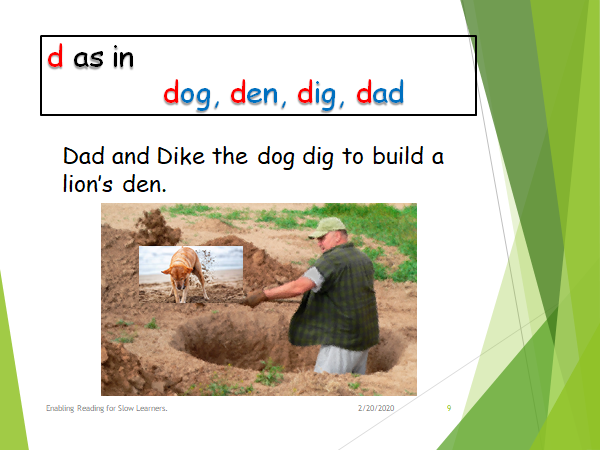
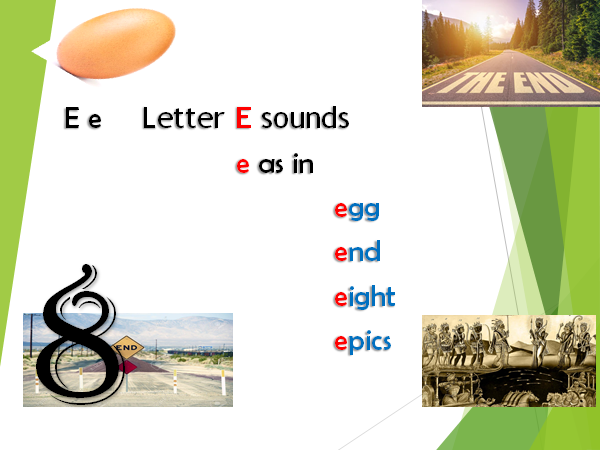
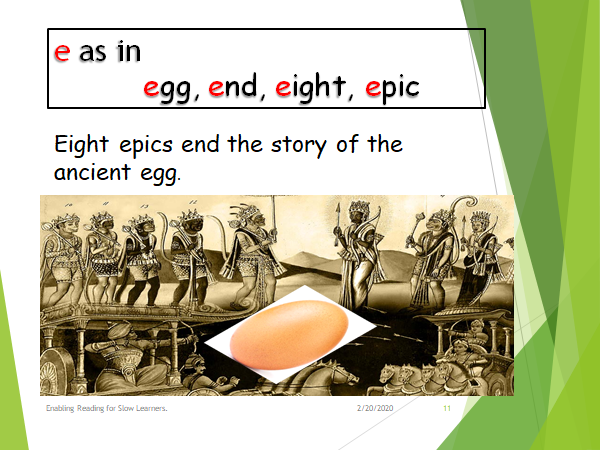
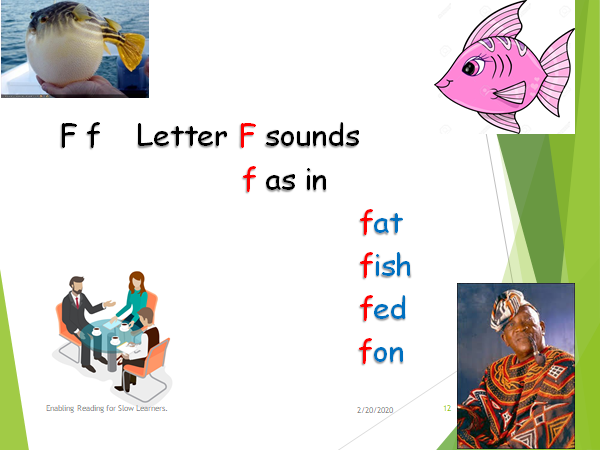
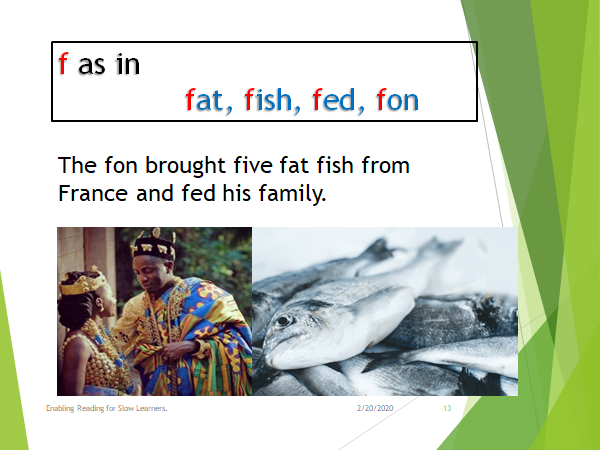
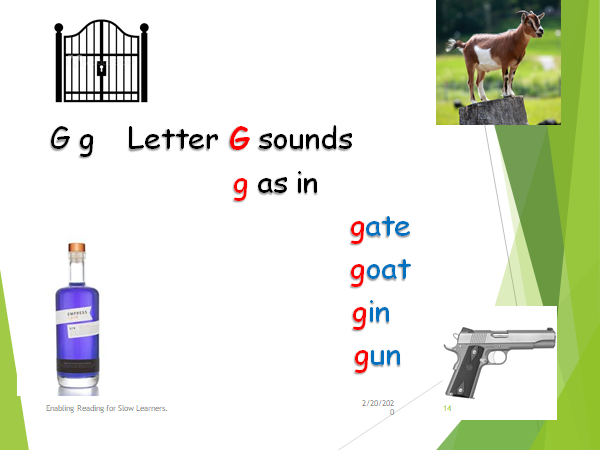
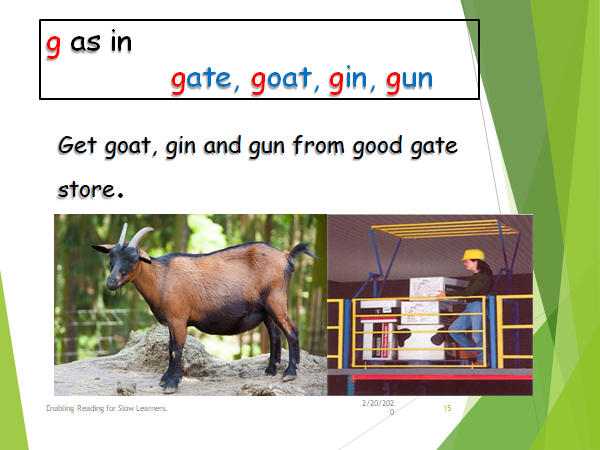
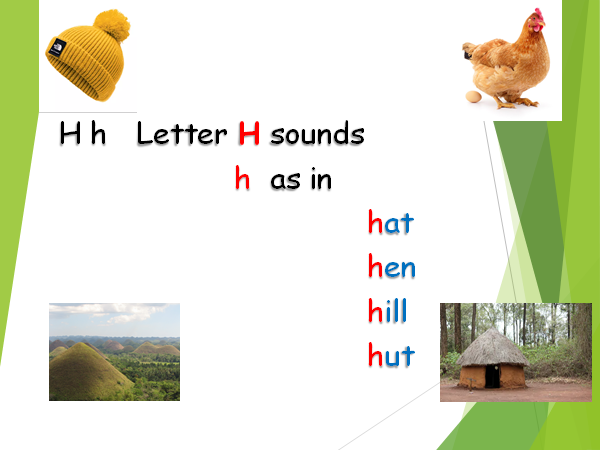
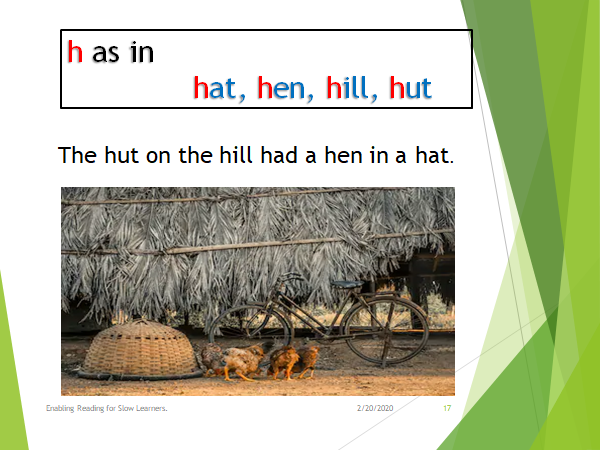
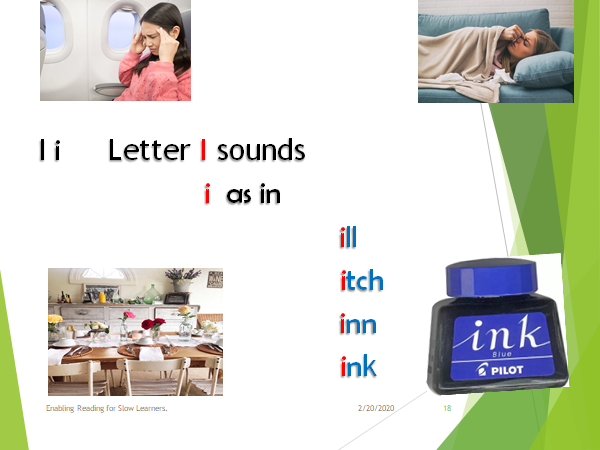
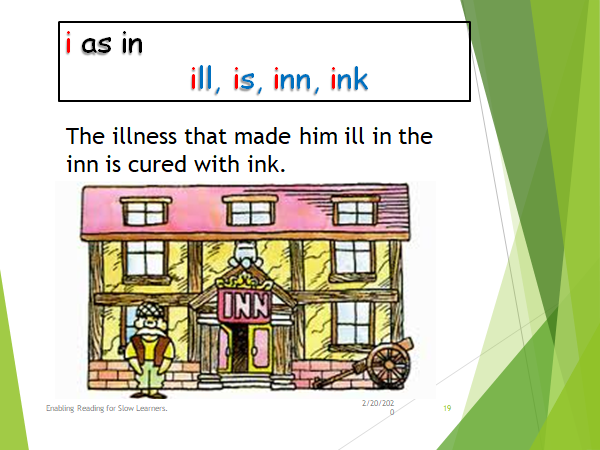
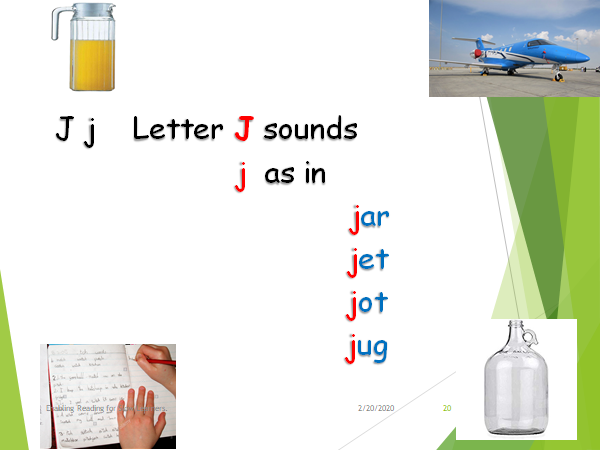
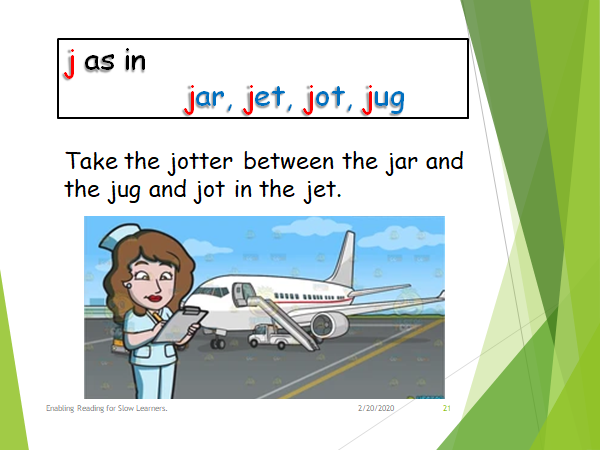
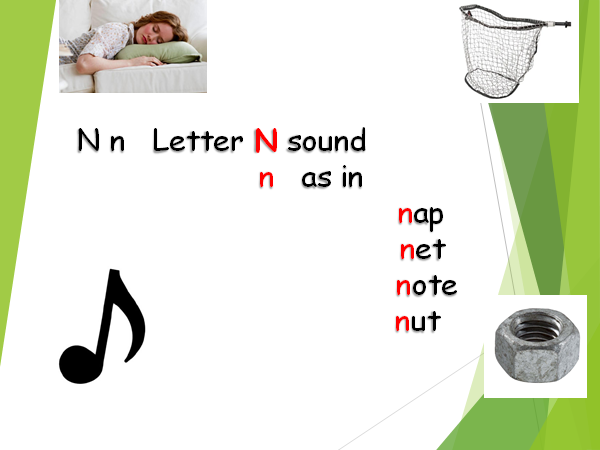
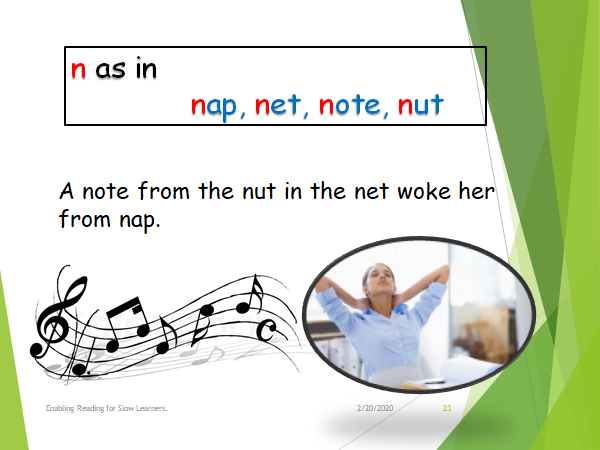
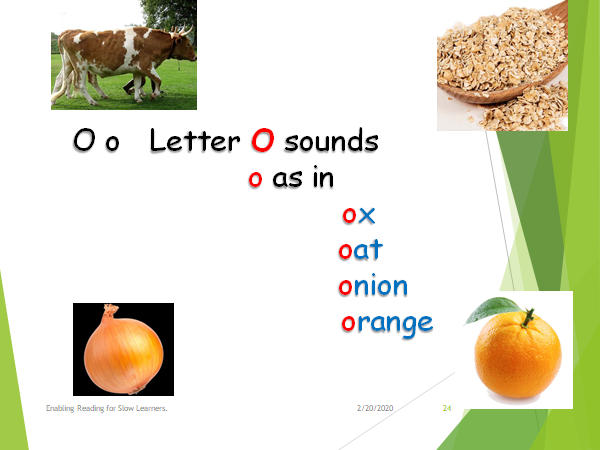
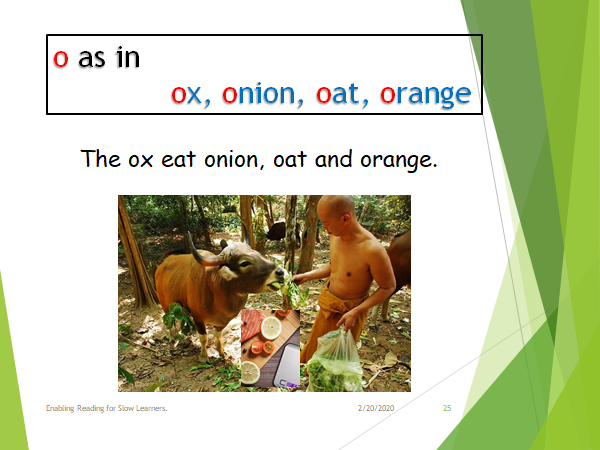
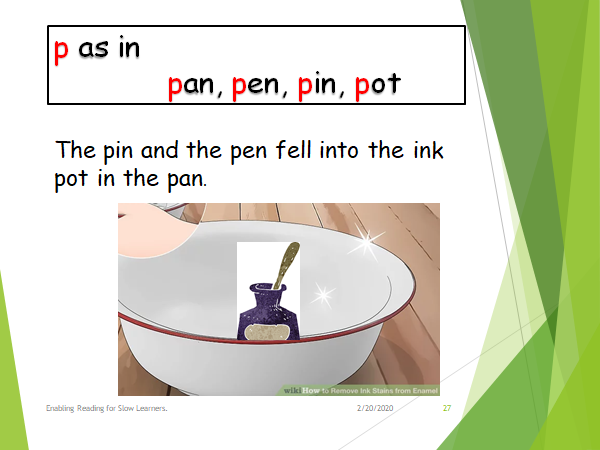
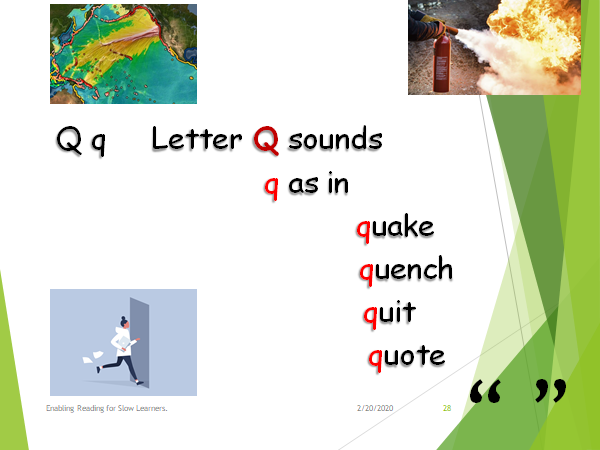
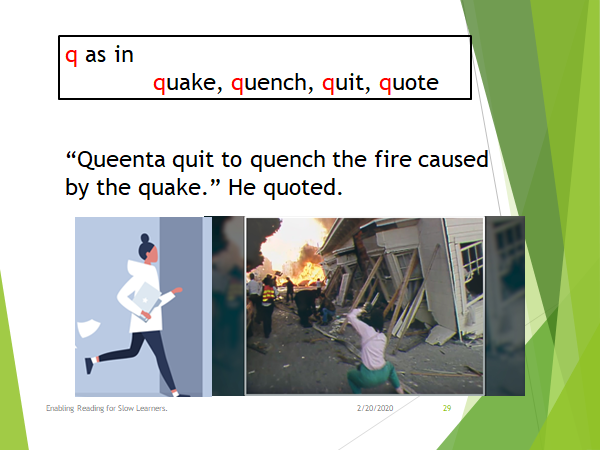
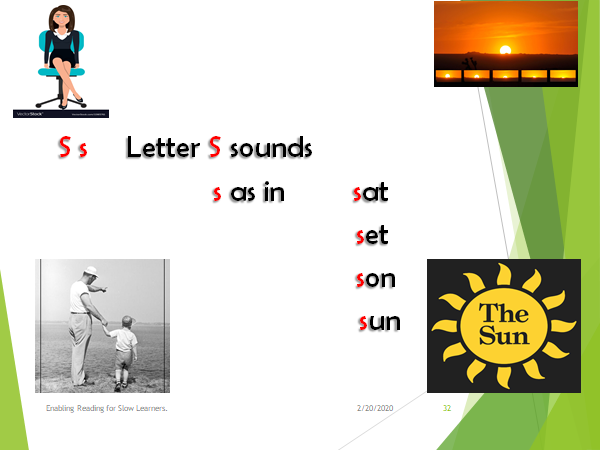
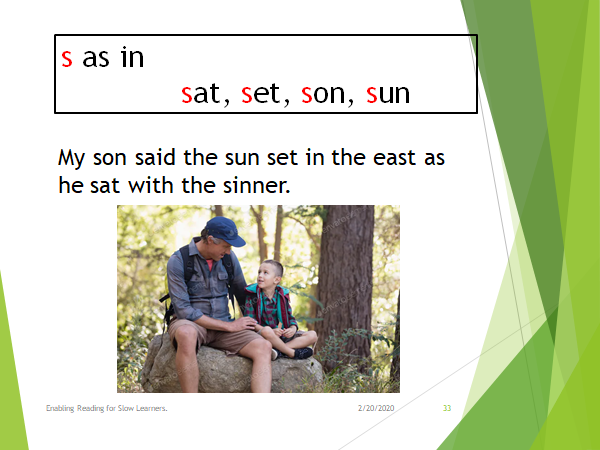
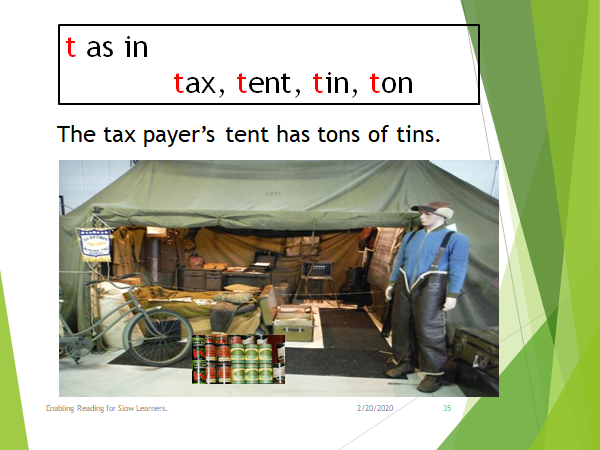
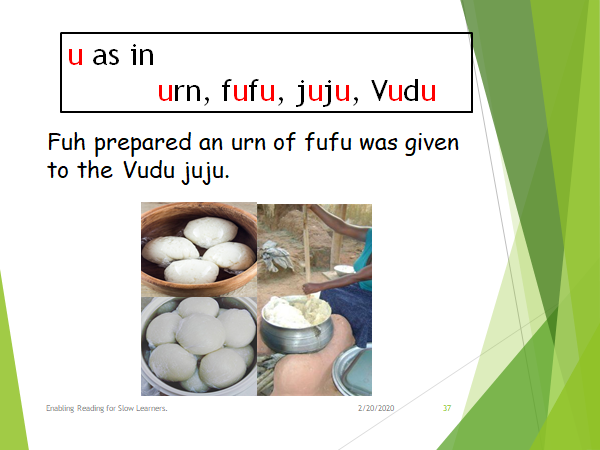
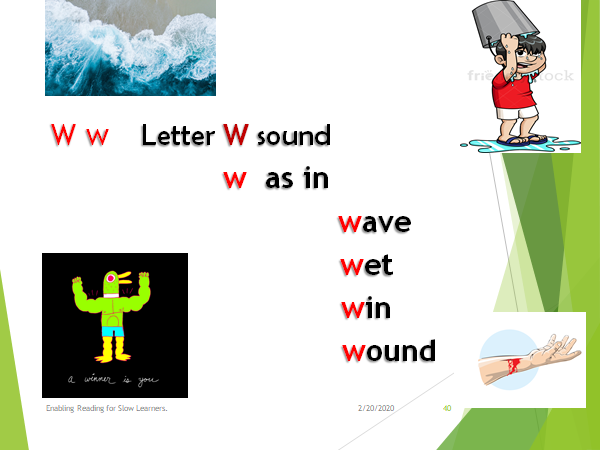
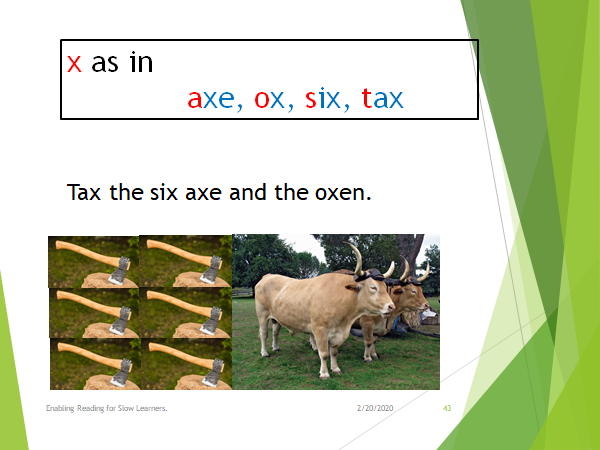
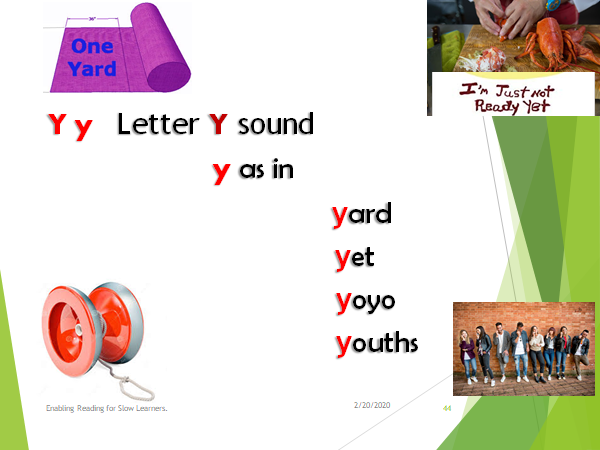
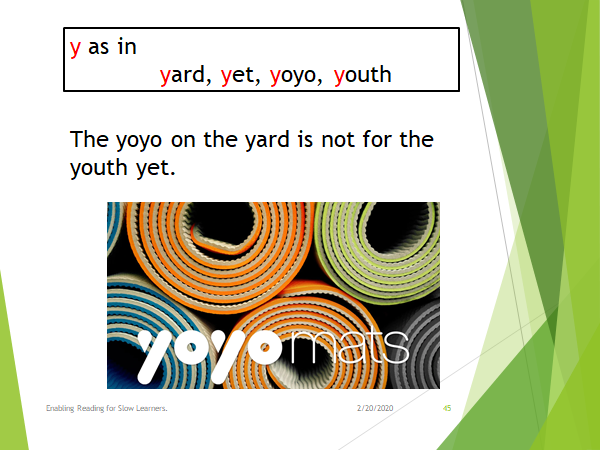
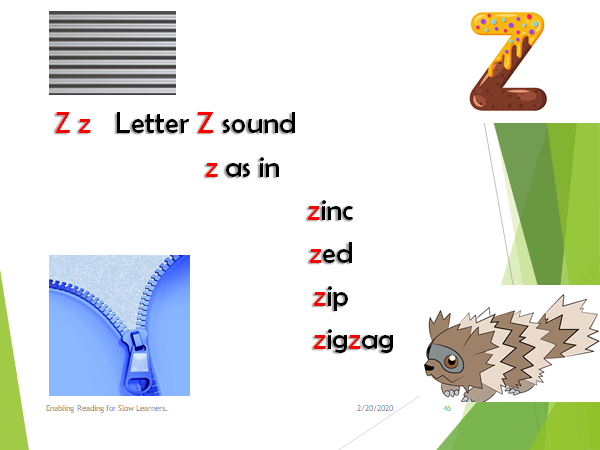
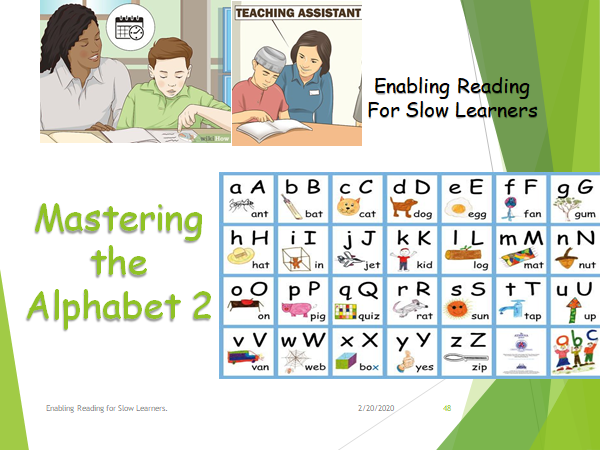
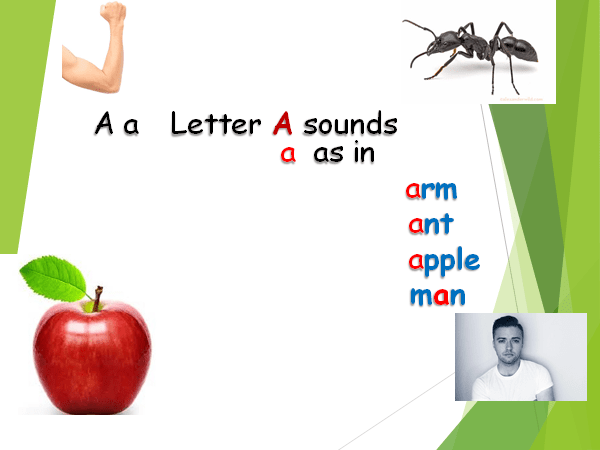
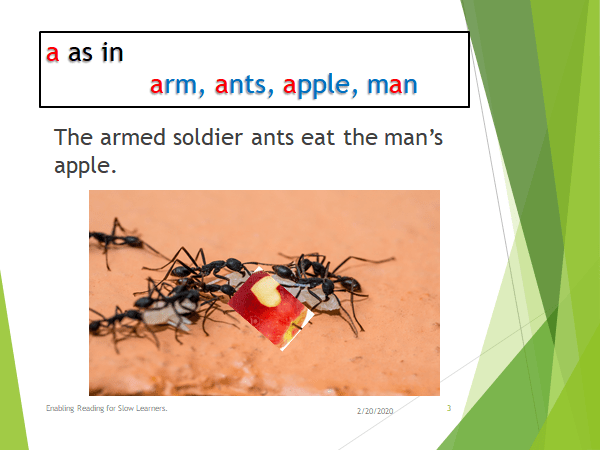
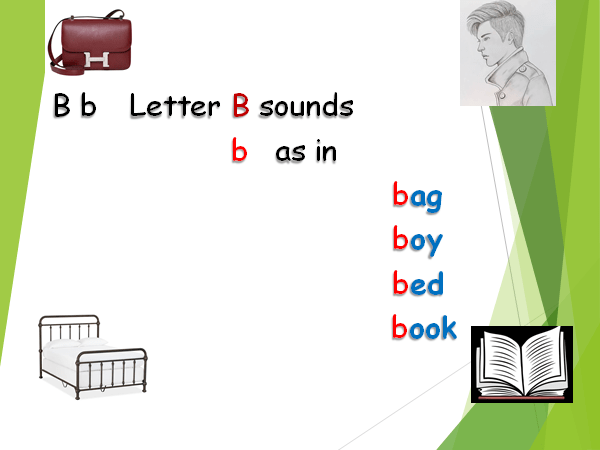
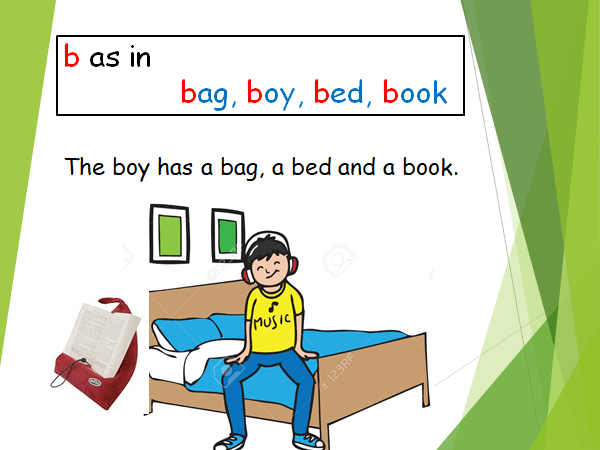
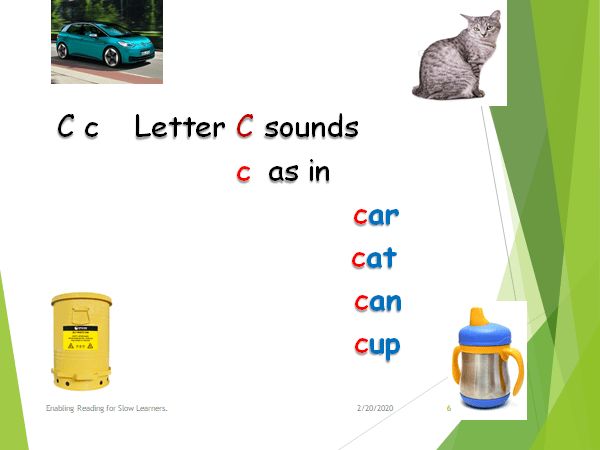
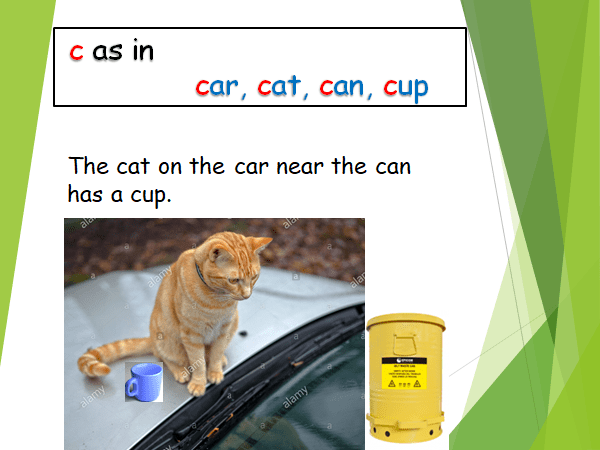
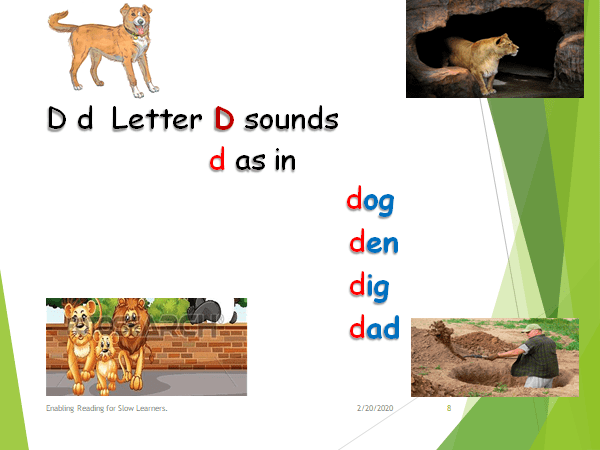
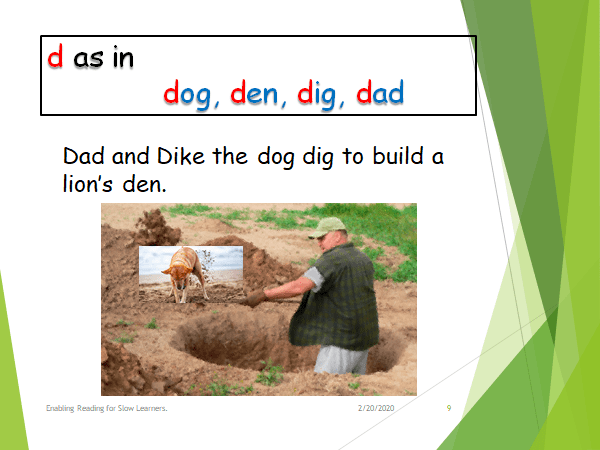
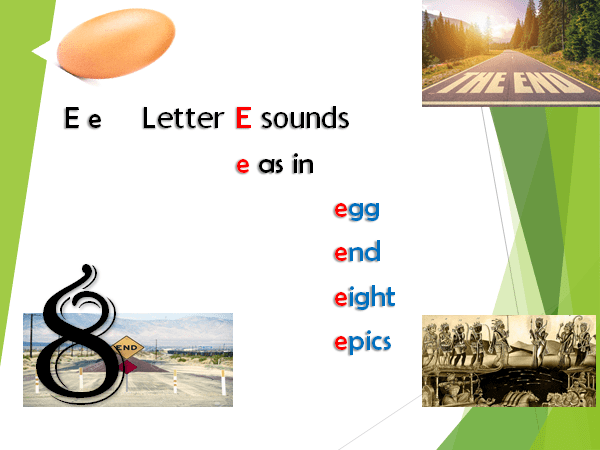
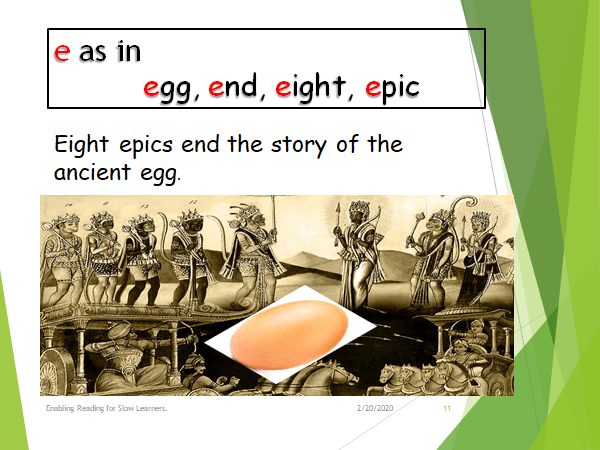
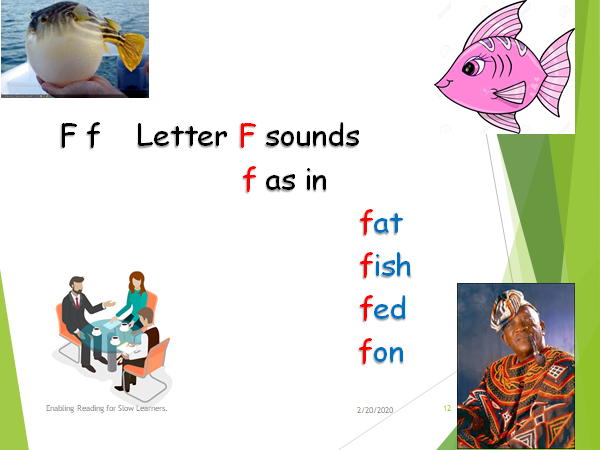
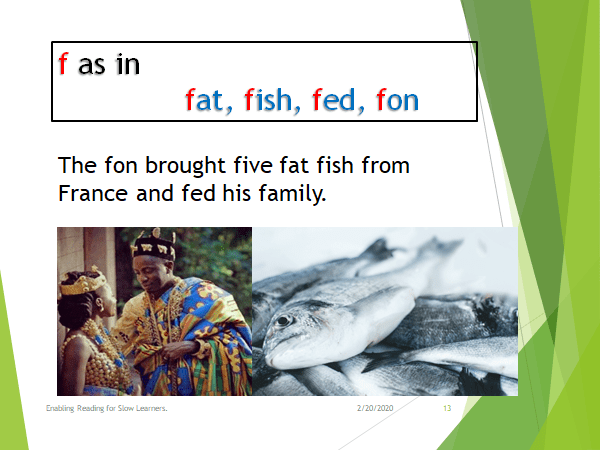
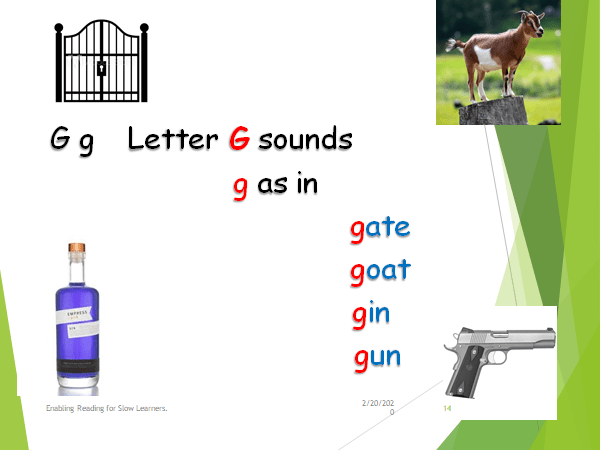
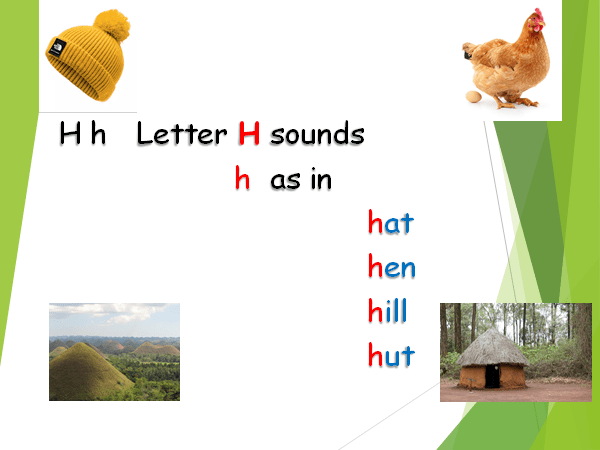
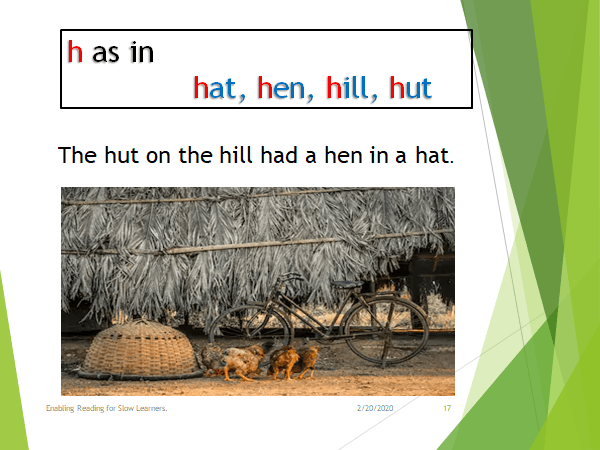
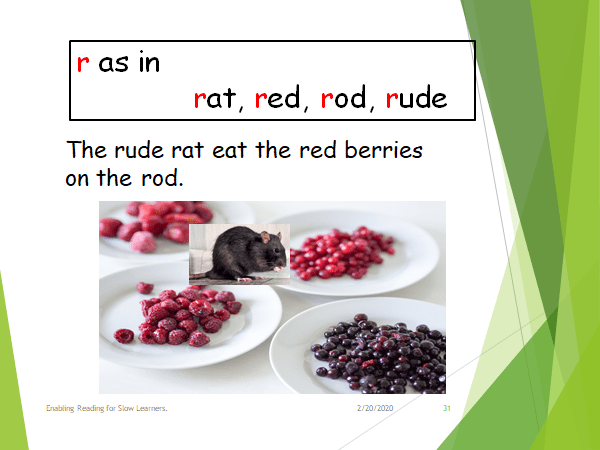
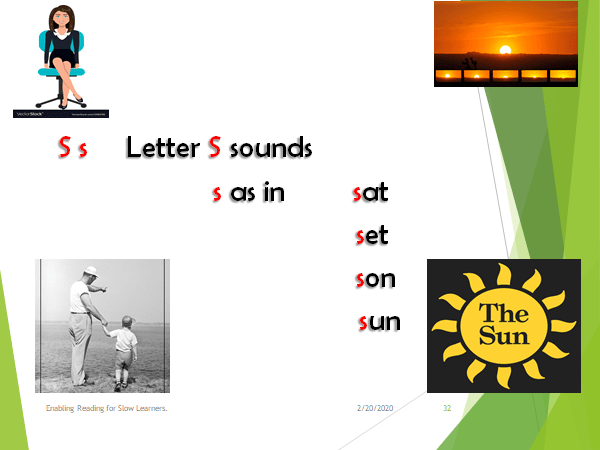
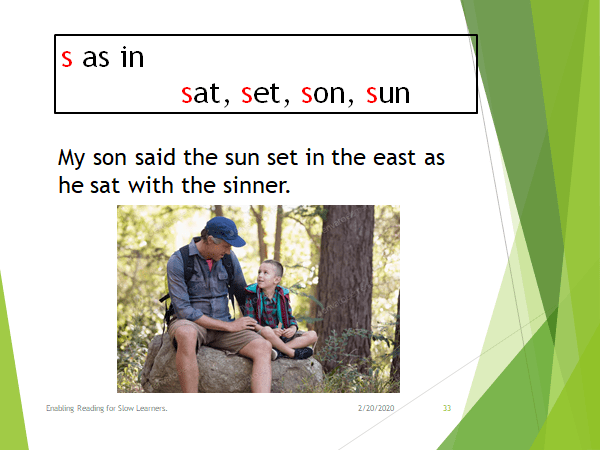
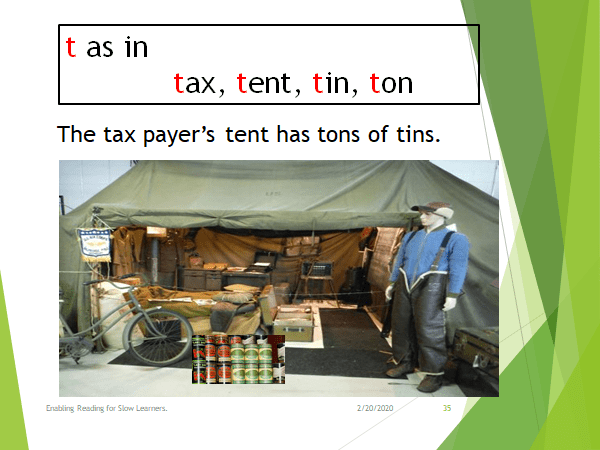
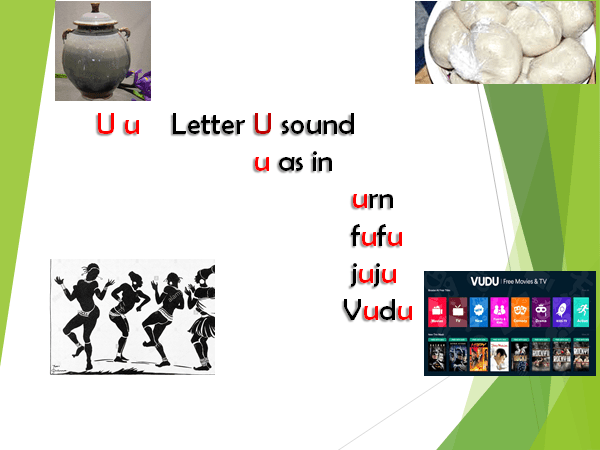
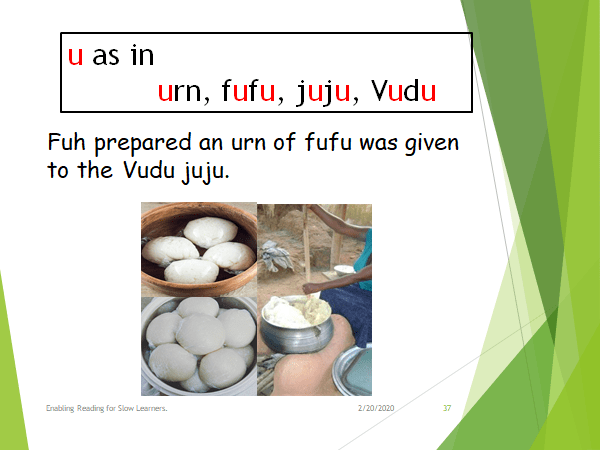
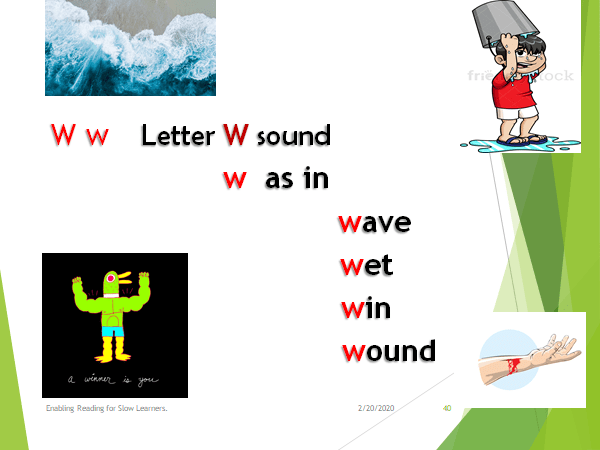
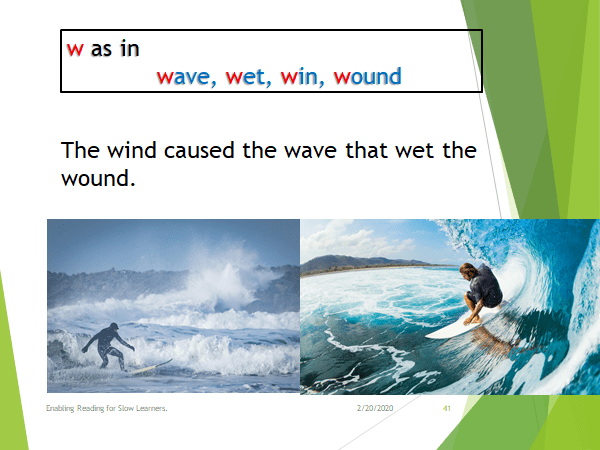
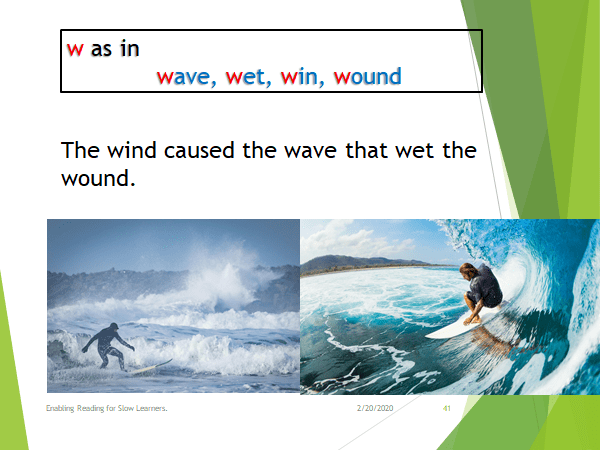
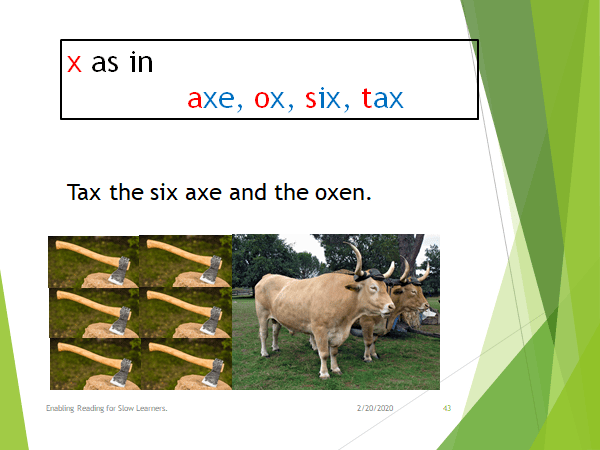
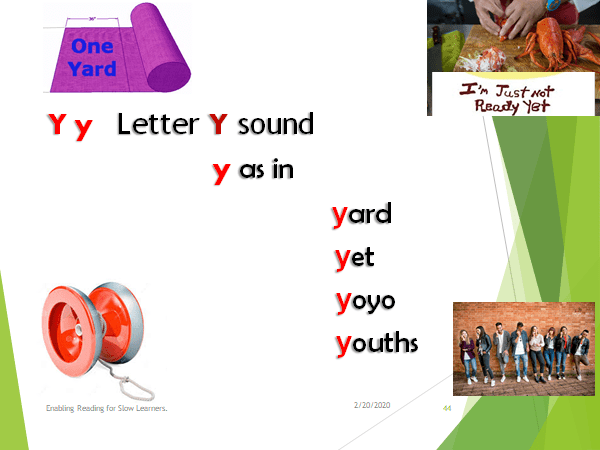
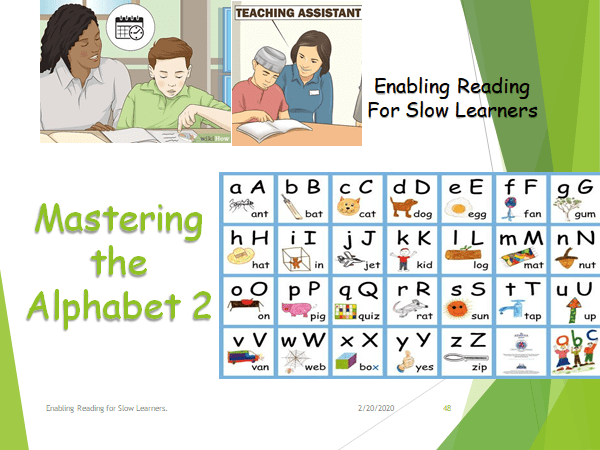
Below is a succinct illustration of sounds and word building in the English Language for kids.
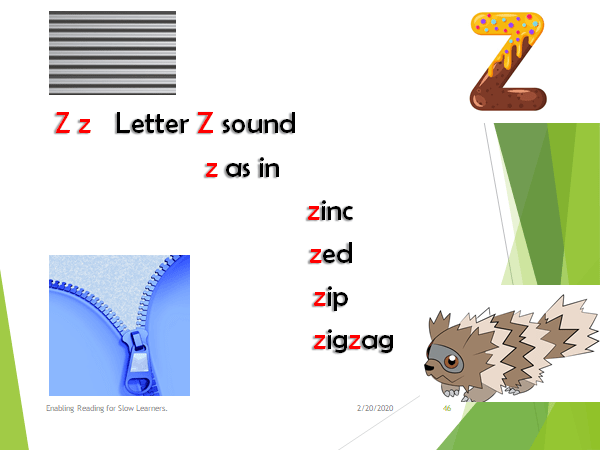
This publication aims to help pupils who, after passing through level one (Primary 1&2), reach levels two and three (Primary 3 – 6) without knowing how to read a simple text. They can give correct answers to oral questions but cannot read the questions themselves. This makes them fail their exams, not because they are dull. Some teachers also hurriedly teach the alphabet without taking into consideration some basic principles. This class of pupils is merely slow to understand and needs gradual guidance in the art of reading. This book gives answers to the difficulties faced by these pupils at all levels. Parents and teachers are advised to use this book for a better result in the performance of the Slow Learners. My granddaughter in 4k (Nursery 2) can read so well as she follows lessons in Mastering the Alphabet books 1,2, and 3.
My favorite type of weather What is your favorite type of weather? This video shows my favorite type of weather TikTok When it snows, the neighborhood gets cleaned up and the side walks and roads lay darkly clean, with pure white snow shinning everywhere orderly, then I enjoy my favorite weather. What do youContinue reading “My favorite type of weather”
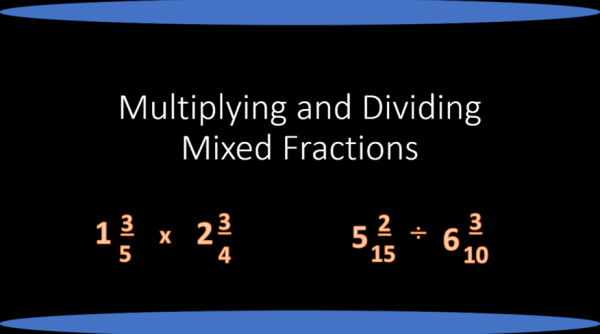
A mixed fraction is made up of a whole number and a proper fraction. Improper fractions are usually converted to get mixed fractions. We can multiply and divided mixed fractions in different ways. Here are some examples.
The English language alphabet is one of the most widely used writing systems in the world. It consists of 26 letters, each with its own unique sound and shape.
Understanding the English language alphabet is essential to learning the language and communication, as it is the foundation of written and spoken English. The English language alphabet is based on the Latin alphabet, which was introduced to Britain by the Romans in the 1st century AD. The Latin alphabet had fewer letters than the English language alphabet, but it formed the basis for the modern English alphabet that we use today.
The English language alphabet consists of 5 vowels and 21 consonants. The vowels are
These letters represent the sounds that we make when we speak without closing our mouth, tongue, or lips.
The 21 consonants represent the sounds that we make when we speak by closing our mouth, tongue, or lips, and they are
B, C, D, F, G, H, J, K, L, M, N, P, Q, R, S, T, V, W, X, Y, and Z.
Each letter in the English language alphabet also has a unique shape. The shape of each letter represents the way that we write it, and it helps us to recognize and learn the letters.
Boŋə ò ka kù’u bǔ ŋù tòŋə ò kàkə̌ ǹfὲ’ὲ njya zhì zhi.
If you’ve never eaten achu with someone you’ll never know how he licks the soup. (If you’ve never lived with someone, you’ll never know his/her attitude.)
Someone is blowing the trumpet and another is raising the jaws. (Said when someone wants to take credits on the good acts of another.)
2. Bə kuu nkyi kǎ məkǔ nfǝ’ǝ.
Legs are not measured when entering the water. (Meaning abilities are not the same. You do only what you are able to. You don’t need to compare yourself with others.)
3. Àghàngàŋə̀ zu’u ngaŋə̀
Only those who hear the language understand. (Said in a situation where only part of a gathering understands what is said. When a message is passed on in an idiomatic way that only particular people present could hear and understand.
5. Boŋə ò banǝ ntenə ò jwe nkwu.
If you hate a living being, then you’ll bring forth a dead one. (If you refuse the truth, that is the beginning of evil or you give rise to evil.
6. Əzduŋə nshye chya tsε’ε adaŋə adaŋə.
Earthly things pass away. (Said in situations when generosity is expected or when someone refuses to be generous)
7. Ŋkyi luu a nə̀ awigə̀rə̂.
It is the runoff that makes the river full. (Said when a crowd or a thing is needed as part of a situation just to make things move.)
8. Ə̀nywe bənkhə tsə bə mbà’ambà’à. mbà’ambà’à.
A young man’s cutlass is sharp only in the morning. (The young get discouraged easily)
9. Əbòŋnə bya-bya zoŋə a ndzèmə nzεrə.
Babbling follows a thief. (If someone says so many things almost at the same time, then he/she is probably guilty.)
10. Ǹghə̀ kwo məmə tὲrə̀
A calabash jar or wine gourd is broken inside the wine pot. (Said as a regret when something bad happens in a situation that blames cannot be laid on)
11. O dzwi afo nchə̀ o kə bəkwu nsəŋə.
While on a battlefront don’t count the dead. (If you’ve embarked on doing something, don’t give room to discouragement or allow difficulties to discourage you).
12. O təmə nna o zòŋə nə̀ aliŋə̀.
If you’ve shot an animal, follow the blood. (If you have started something, continue till the end.)
13. Boŋə ntoŋə wwo tə lwε’ɛtə boŋə o bə lya ku ndyâ mə̀shà.
If you have an appetizing throat, you will enter a cult. (If you are a power monger or long for wealth at all cause, you may frustrate your life by joining a cult before you know.)
14. Njwe laa mə̀nyù làa.
As the day breaks, so do events. (As we live, so do we and things that surround us change.)
15. Azuŋə abàa wwò niŋə àkù zhə.
Something is put into your bag by your legs. (If you have got a present somewhere you’ve been, it’s thanks to your legs that took you there.)
16. Bə bikakə ngwu məmə nkəmə nsəŋə.
Fowls cannot be counted in a cage. (Said in connection to transparency when everybody needs to see what is presented.)
17. Nchu’u ətyə forə bə nkonə yε.
What saves the rat is its tail. (When there is just a narrow space for one to use in order to escape danger. In a situation where you sense danger or when there is a high possibility of danger, say this and leave)
18. Njwe afò bə̀zεrə bə njwe-la’à.
A farm day for a thief is the country Sunday. (Meaning, a thief only goes on mission when he knows no one is there to see him/her)
19. Boŋə o kakə nkuŋə̀-tyə li’isə̀.
You cannot fool a barber. (You can’t deceive someone who renders a more often service to you for you shall surely go back tohim)
20. Nəwo nə ŋu fəmə kii zhə la zə ŋu nkabə kii be bâdaŋə.
A poor man weeps for his dead but that of a reach man is mourned by others. (A poor person’s pain or difficulty is not the concern of many as compared to that of a rich or popular person.)
21. Aya afò məjyə nə ka nsaa.
The way to a food crop farm is never too far. (We are never discouraged to go where there are rewards or benefits.)
22. Əboo bə mbwo bikàke kù’ùtə̀.
Fingers are not the same. (Meaning abilities are not the same. You do only what you are able to. You don’t need to compare yourself with others.)
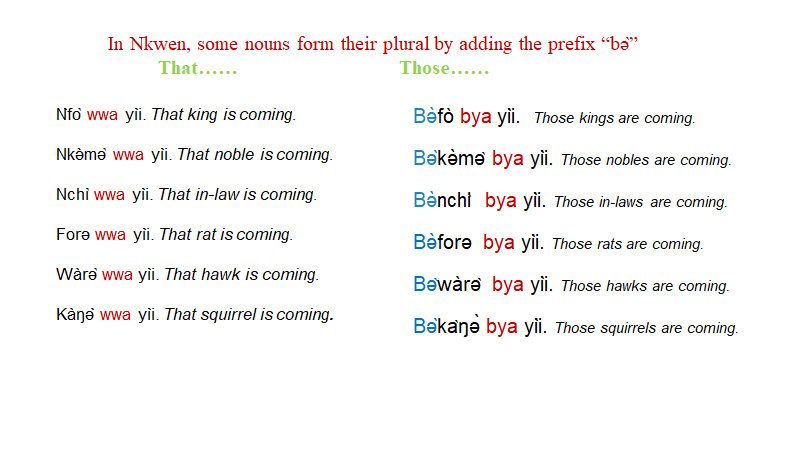
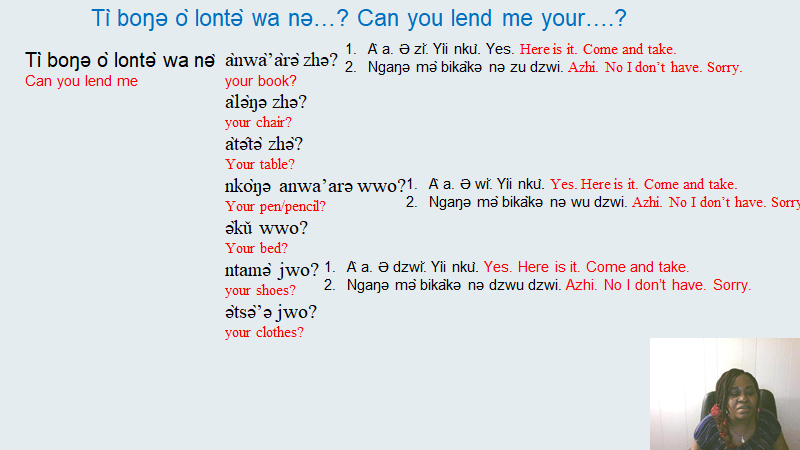
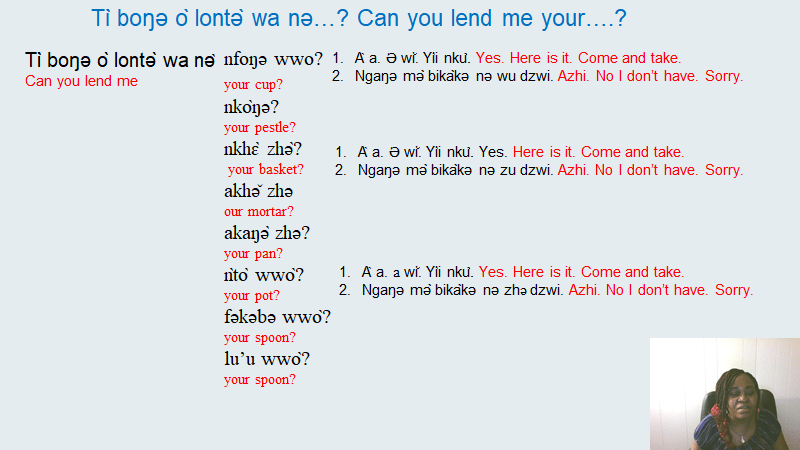
Different markers are used to indicate cohesion (unity) in various noun phrases. These markers are : wuma, zuma, buma, fuma and dzwu ma. Let’s examine how they come in different noun phrases.
wuma
Nkə̀mə̀ wuma bə kə̀ zo’o. –The noble that was installed.
M̀fò wuma bə kə̀ nùsə.– The chief that was enthroned.
Ǹcì wuma a kə̀ yìi.– The Father-in-law who came.
Kàŋə̀ wuma Talà kə ko. – The squirrel that Tala caught.
Əkù wuma Ndì kə̀ kuŋə. – The bed that Ndi made.
Nta’a wuma bə kə̀ to.– The hill that was burnt.
nkyi wuma ə ŋwa’a.– The water that is clean.
Advertisements
zuma
Nə̀lòŋə̀ zuma bə bu’u. – The radio that is played.
Nə̀fa zuma nə kwo (yɛnə). – The twin that is dead.
Àkù zuma ə zaŋə. – The foot that is hurting.
Àtì zuma be waa. – The tree that is fell.
Ǹnà zuma bə kə̀ ko. – The animal that was caught.
Advertisements
buma
Bə̀fò buma bə zo’okə. – The chiefs who are enthroned.
Bə̀kə̀mə̀ buma be zo’okə. – The nobles that are installed.
Bə̀forə buma bə kə̀ kotə. – The rats that are caught.
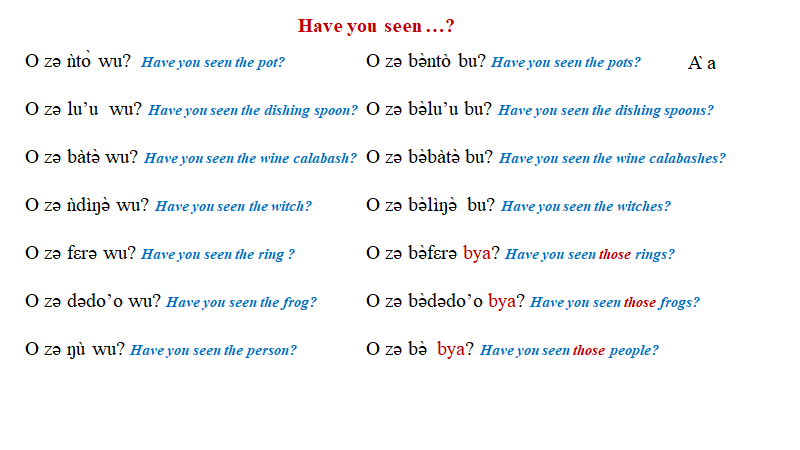
Bə̀ntò buma bə ŋwa’a. – The pots which are clean.
Bə̀kàŋə̀ buma bə kotə. – The squirrels that are caught.
fuma
Fə̀nyə fuma fə tya yi . – The snake that has bitten him/her.
Fə̀nkəbə fuma be kuŋə . – The statue that is calved.
Advertisements
dzwu ma
Əso dzwu ma bə zû. – The hoes that are bought.
Ətsə’ə dzwu ma bə ta. – The dresses that are sown.
əba’a dzwu ma bə nyεsə. – The doors that a renovated.
əkaŋə dzwu ma bə mε’ε. – The pan (dishes) that are thrown.
N.B: Buma and dzwuma make cohesion in nouns of the plural classes while wuma, zuma and fuma are markers for nouns in the singular classes.
RSS Error: A feed could not be found at `https://anchor.fm/s/50eb7e68/podcast/rss`; the status code is `404` and content-type is `text/plain; charset=utf-8`

































 Education For All