Nkwen Language Alphabet

Nkwen Language Alphabet

Also found on Youtube at https://youtu.be/khn6uSV4QS0

https://youtu.be/Zflvf97oiQM

Nkwen Language is a Mother Tongue spoken by the Nkwen people of Cameroon in Africa. It is one of the many Cameroonian Languages on the verge of development. With many aspects already developed, further research is still recommended for the full development and preservation of this language and the culture of the Nkwen people embedded in it.

Advertisements

Amongst the many aspects that have been worked on are:

Advertisements
  1. The Alphabet
  2. Tonality
  3. Reading and Writing
  4. Nouns/Noun classes
  5. Verbs
  6. Tenses
  7. Some grammatical aspects.
  8. Etc.
Advertisements

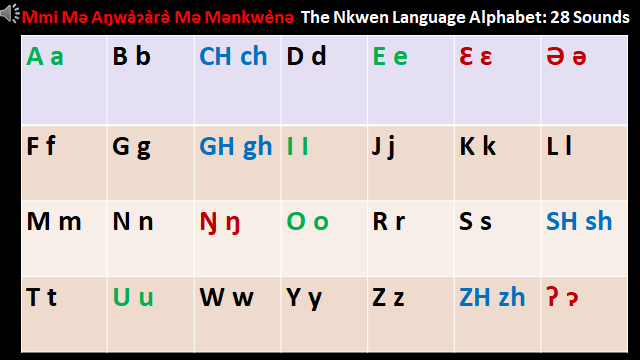
THE NKWEN LANGUAGE ALPHABET (Second Edition)

The first edition of the Nkwen Language Alphabet was established by PROPELCA (Operation Research Project for the Teaching of Cameroonian Languages) together with the then Nkwen Language Translation Committee of the Catholic Mission Futru Nkwen in their Summer Linguistic Courses in Aghiati Bafut in the mid-1990s. It was reviewed by S. I. L. (Société International de Linguistique) and some members of the Nkwen Language Committee in a Summer Linguistics Seminar organized by S.I.L. in July 1999 at CBC Nkwen Bamenda. Thus, this second edition of the Nkwen Language Alphabet was made up of 31 sounds as follows:

/a/ /b/ /c/ /d/ /dz/ /ɛ/ /ǝ/ /f/ /g/ /gh/ /i/ /j/ /k/ /kh/ /l/ /m/ /n/ /ŋ/ /ny/ /r/ /s/ /sh/ /t/ /ts/ /u/ /’/ /w/ /y/ /z/ /zh/

THE SOUNDS IN THEIR UPPER AND LOWER CASES

/Aa/ /Bb/ /Cc/ /Dd/ /DZdz/ /Ɛɛ/ /Əǝ/ /Ff/ /Gg/ /GHgh/ /Ii/ /Jj/ /Kk/ /KHkh/ /Ll/ /Mm/ /Nn/ /Ŋŋ/ /NYny/ /Ɔɔ/ /Rr/ /Ss/ /SHsh/ /Tt/ /TSts/ /Uu/ /’/ /Ww/ /Yy/ /Zz/ /ZHzh/

Nkwen Language Alphabet on youtube;   https://youtu.be/x16w6W3Hs-o

Advertisements

Analysis of the Second Edition of Nkwen Language Alphabet

This second edition of the Nkwen Language Alphabet is made up of 24 Consonants (M̀mi Mǝ Abɔ̀ŋnǝ̀), 6 Vowels (Nji-àbɔ̀ŋnǝ̀) and 1 glottal stop:

The Nkwen Language Consonants.

/b/ /c/ /d/ /dz/ /f/ /g/ /gh/ /j/ /k/ /kh/ /l/ /m/ /n/ /ŋ/ /ny/ /r/ /s/ /sh/ /t/ /ts/ /w/ /y/ /z/ /zh/

The Nkwen Language Vowels:

/a/ /ɛ/ /ǝ/ /i/ /ɔ/ /u/

The Glotal stop: /’/

This second edition of the Nkwen Language Alphabet has double consonant sounds and some strange sounds as compared to the English Language Alphabet.

Advertisements

The Double Consonant Sounds 

The double consonants in the Nkwen Language Alphabet are considered single sounds but are made up of two letters each. When they come at the beginning of a sentence or in proper nouns the two letters are written in caps. They are seven of them as follows.

/dz/ /gh/ /kh/ /ny/ /sh/ /ts/ /zh/

The Strange Sounds are four in number;

/ɛ/ /ǝ/ /ŋ/ /ɔ/

Advertisements

Sounds in the English Language Alphabet that are not found in the second edition of the Nkwen Language Alphabet are:

/e/ /h/ /p/ /q/ /v/ /x/

The /ɛ/ and /ǝ/ are mostly used than the English /e/

The letter /h/ does not stand alone but is always supported by other sounds as in /gh/ /kh/ /sh/ and /zh/, in

Ghǝ̌ – to go

khǝ̌ – to run

shǝ̂ – to weed

zhǎ – to comb

The letter /p/ is replaced by /b/ mostly in borrowed words like:

bɔ̀bɔ̀ – pawpaw or papaya.

bàbà – papa or father

Bità – Peter

sounds closer to the /q/ are spelled with /k/ as in

kwatǝ – to repeat

Kwa’atǝ –  to knock

kwǎ  –  to open

àkwo – raffia palm nut

The /v/ and /x/ are not found at all.

Advertisements

THE NKWEN LANGUAGE ALPHABET

Aa 
 àbà’à (a door)
Bb
Bàtə (calabash)
Cc
cì’i  (to shake)
Dd
dədͻ’ͻ (a frog)
DZdz
ǹdzàà (an axe)
Єε
fεrə (a ring)
Əə
ə̀lwεnə̀ (a name)
Ff
Fͻrə (a rat)
Gg
gàŋə (to hold)
GHgh
Ghəghanə (butterfly)
Ii
àliliŋə (a bat)
Jj
Ǹjijì’ì (a fly)
Kk
kaa (a crab)
KHkh
ŋ̀kha (a fence)
Ll
lə̀ŋə (to stir)
Mm
mma (mother)
Nn
ǹnà (meat)
NYny
nyə (to drink)
Ŋŋ
Ŋͻrə (moon)
Ͻͻ
Ǹtͻ̀ (a pot)
Rr
ə̀làrə̀ (a bridge)
Ss
Sǔ (to wash)
Sh
shə̂ (to week)
Tt
tanə̀ (five)
TSts
tsà (a hall)
Uu
àkù (foot)

Àtɔ’ɔ̀ (a tin)
Ww
Wàrə̀ (a hawk)
Yy
Àyiyὲ
(a weaver bird)
Zz
Zə̀ŋsə̂ ( to bend)
ZH zh
Ǹzhà (a comb)
 
The Nkwen Language Alphabet (Second Edition)
Advertisements

Recent Review on the Second Edition of the Nkwen Language Alphabet.

It should be noted that the above second edition of the Nkwen Language Alphabet has been recently revised by CABTAL together with some members of the Nkwen Language Committee in a workshop which was aimed at developing the Nkwen Language in the lines of Literacy and Bible Translation. The few changes they have made this time, different from this second edition are:

The open /ɔ/ is now full /o/ eg . mɔɔ – moo (child)

The English /e/ has been added to the list of vowels making them seven in number; /a/ /ɛ/ /ǝ/ /e/ /o/ /u/

/c/ is now /ch/

Some of the double consonant sounds are now considered as sub-sounds except /gh/, /sh/, /zh/, and /ch/ which are still double consonants.

The nasal /ŋ/ should not precede some consonants eg ŋ̀garǝ̀ – ǹgarǝ̀. This means subsequent writings in Nkwen Language would bear these changes.

Advertisements

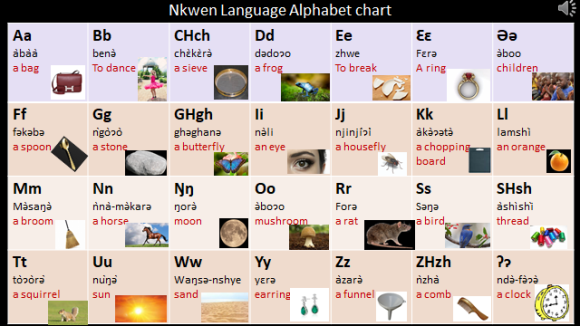
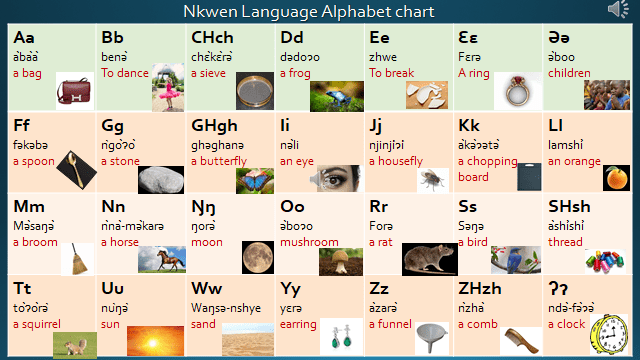
The Revised Edition

Nkwen Language Alphabet
Nkwen Language Alphabet Chart
Nkwen Language Alphabet Charthttps://youtu.be/Zflvf97oiQM

https://youtube.com/c/TaminangThereseN

Advertisements

Click this button to view related Posts

Nkwen Language Lessons

Latest Podcast

RSS Error: A feed could not be found at `https://anchor.fm/s/50eb7e68/podcast/rss`; the status code is `404` and content-type is `text/plain; charset=utf-8`
Advertisements

THE BO-BE-NKA’A PROCESS IN FUTRU PARISH

THE BO-BE-NkA’A PROJECT

Advertisements

A TESTIMONY AND RECAPITULATION ON HOW THE BO-BE-NKA’A PROCESS PROGRESSED, AND THEN CAME TO A HALT IN FUTRU PARISH

                The restructuring of the BO-BE-NKA’A (BBN) (Children of the Light) process in Futru Parish was a renovation that took place in the year 2004. This was after the BNN process had undergone a series of changes with different measures taken to rescue it from the many difficulties it faced at the time. This only came about 14 years after the foundation of the Process in the early 1990s. All the measures to rescue the movement did not hold ground until the early 2000s when its progress was halted.

     The founder Rev. Father Juan Izuel was one of the pioneers of Calasanzian Fathers who came to Futru in Bamenda Cameroon from Spain and took over the pastoral care of the Christian Community of Futru Parish that was before then a Mission Station under Bayelle Parish. The first move by this founder, Father Juan Izuel, was to give intense training to a group of leaders that he chose among the Christians of this community when I happened to be one of them. It was such a beautiful experience that placed an indelible mark in my life, which up till this date still influences my life mightily. Going through the LEADERSHIP TRAINING of the Beli (leaders), this Process was a wonderful way of empowering them as they were trained to live the life themselves before passing it on to the young ones. This training was then followed by the formation of different groups of Awunka’a (Aspirants) made up of children between the ages of 11 and 16. The trained leaders were then assigned to these groups. This was the beginning of a process that these children were then supposed to follow throughout their lives in stages. This beautiful experience did not see the light of day as in the long run; 14 years after, due to difficulties coming especially on the line of leadership, it had to undergo some restructuring which later on led to the standstill of the movement in the Parish, a thing that disturbed and disappointed many who had the Process at heart. The parents, youths involved with the few active Beli (leaders) at the time, felt bad about this.

Advertisements

Due to the situation of the Movement by 2004, the then Parish Priest Father Mariano Grassa who became the Head of the BO-BE-NKA’A movement, together with the few leaders at the time, thought wisely it was proper to restructure the Movement to involve all the other mission station youth groups (St. Michael’s Youth groups). They said the format of formation used in the BBN Process was good and should be adopted into the new arrangement for all the Parish youths to benefit from. It should be noted here that as the BO-BE-NKA’A (BBN) Process was going on there were also youths in groups found in the different mission Stations who were under the Catholic Youth Federation of the Diocese. At this point, youth leadership in the Parish was made up of the Youth Apostolate Commission (YAC) and the Parish Youth Council (PYC) while the Bo-Be-Nka’a (children of the light) were being coordinated by the group of Belis. This is the report I wrote after the Youth Leadership Seminar that took place from the 10th to the 12th of Sept. 2004, where Father Mariano Grassa presented the new plan.


          REPORT ABOUT NEW MEASURES IN THE BO-BE-NKA’A PROCESS

After the departure of Rev Father Domingo Saez, the second Parish Priest, in July 1999, the BBN process continued moving well. Father Domingo the Priest who took over from Fr Juan Izuel, had served in this Process since 1993 as Ndi (coordinator) and other Beli, namely:

  • Ndi Theresia Taminang
  • Ndi Hipolitus Zama
  • Ndi Ngu Charles
  • Ndi Bernadette Kaba
  • Ndi Musing John
  • Ndi Sabastine Nebah
  • Ndi Dominica Nganteh
  •  and including Acho Peter, Denis Acho, and Andreas Sufor who were not active for some time before this meeting.

These people made up the first Beli group called and trained by Rev Father Juan Izuel, the founder of the BBN Process, who was then named the Atie Beli (Head of the coordinators or President of the coordinators.) Father Juan initiated this dream early in the 1990s when he started a group of Adulescent boys and girls called St Joseph Calasanz Youth Movement. As he progressed with this Movement, he gathered ideas in the Nkwen Language/culture and later on change the name to the BO-BE-NKA’A (CHILDREN OF THE LIGHT) PROCESS.


Advertisements

            Rev Father Juan Izuel continued as the Atie Beli of the Process until about 1996 when he was transferred to his home country Spain. This seemed to be a significant loss for the Movement, but however, since he started building the Process on a strong foundation, it did not collapse but kept progressing. At this time, Rev Father Domingo took over as the Head (Atie Beli) until he was flown back to Spain in July 1999 because of ill health. This was another tear to the progress of the BBN process. By this time also, many of the Beli had left the group. The remaining ones were: Ndi Eularia, Ndi Janet Nkwenti, Ndi Stella Bitong, Ndi Gladys Nde, and myself Ndi Theresia Taminang, with Rev. Sister Gusti. 


           As the Beli were doubting how the Process’s situation will look like, fortunately, and thanks to God, Rev. Father Mariano Grassa, who took after Father Domingo as the Parish Priest stepped into the Process with new zeal and enthusiasm. During my first meeting with him, he said he has a dream that the BBN process will continue as it was from the beginning. This new trend made me so happy.


THE FIRST BELI MEETING WITH REF. FATHER MARIANO GRASSA

The first Beli meeting was then scheduled to be held on Thursday, Sept 2nd, 1999. The agenda of this meeting was as follows;

  • Opening Prayer
  • Evaluation of the Various groups
  • Choosing new Belis
  • Basic Promise
  • Formation of new groups
  • Development of formation

This meeting was held with five Beli Present and came out with the following results:

  • There was one Awunka’a (Aspirants) group with 24 children. The Beli of this group were Sister Gusti, Mme Janet Nkwenti, Miss Stella Bitong, and Miss Gladys Nde.
  • The Ngwe stage had about 20 children, and the Ndi was Miss Ularia Ngelah.
  • The Nsang stage was empty since the BBN in this stage had just graduated to start the Nekong Stage.
  • The Nekong stage has 15 members, and the Ndi was Mme Taminang Theresia.
  • It was then agreed that the Ngwe stage should graduate and enter the Nsang stage while the Awunka’a will make their Basic Promise and move into the Ngwe stage to create room for new Awunka groups.
  • The following were nominated to be invited to join the Beli group.
  • Miss Nwufor Geraldine
  • Miss Yvonne Meseh
  • Mr. Jude Ngwa
  • Mr. Kingsley Ngoh
  • Miss Pamela Ntangwen
  • Mr. Terrence Ndifor
  • Mr. Julius Tanwie
  • Miss Perpetua Ngangmi
  • All the members of the Nekong stage
  • Some Calasanzian Juniors and Novices.
  • It was agreed that at least 2-3 Belis should be in each stage.
  • Fr. Mariano proposed that a new stage should be included before the Awunka’a. That if BBN is said to be a life process, it should be complete. He added that children should be involved at an earlier stage, that is, from primary 6 and 7 to form a Pre- Awunka’a stage. This was accepted by the five belis present and were to present the new idea to the new group of Beli when they are called.
  • The development of formation shall be looked into by the Beli group.
  • A meeting was scheduled to be held with the new Beli on Thursday, 16th September 1999.
  • This team of five former Beli was to have another meeting on Tuesday 14th September to plan for the first meeting with the invited new Beli. The topics for discussion in this meeting included;
  • Reasons for inviting the new Beli.
  • Formation of a new stage with classes 6 and 7 children.
  • Propose frequency or monthly meetings with Beli to plan formation topics for the youths and other activities for the Beli.
  • Other activities for Beli like celebrations – excursions – camping – recollection, etc., were agreed upon.
  • Definition of the Process

THE BO-BE-NKA’A PROCESS IN FUTRU PARISH


Advertisements

FIRST MEETING WITH NEW BELI 16th Sept 1999

            This meeting was held as planned by a team of five. More than twenty new people responded and accepted to work with the children, some full time and some part-time; that is, only on holiday periods. The list was as follows:

  1. Terrence Ndifor
  2. Nwufor Geraldine
  3. Julius Tanwie
  4. Joseph Ngangmi
  5. Rosina Abe
  6. Pamela Ngegha
  7. Jude Ngwa
  8. Emilia Ngenjang
  9. Gilbert Tanwie
  10. Joseph Nformbong
  11. Roland Afoungang
  12. Emmaculate Nde
  13. Pascal Nkwamsi
  14. Marie Stella
  15. Paulinus Ngwatung
  16. Delphine Ngelah
  17. Bernadette Ndifor
  18. Claudette Ngangte
  19. Linda Ngelo
  20. Hilda Nchang
  21. Yvonne Messeh

All that was planned for this meeting was presented, shared, and accepted by the new Belis. They received the message with joy and eagerly asked when to start. The next meeting with the group was then scheduled for Saturday 25th September 1999 for further planning.


Advertisements

2ND MEETING WITH NEW BELIS ON SAT. THE 25TH OF JULY 1999.

Before this meeting day, the planning team had met on Thursday 24th to plan the day’s activities. The following was the scheduled agenda of the day.

9:00 am – Opening Prayer (Theresia Taminang)

  • Games (Fr. Mariano)

9:30 am – First Talk: Why am I here and for what? (Sr Gusti)

  • Games

10:30 am- Information about the Bo-Be-Nka’a (Theresia Taminang)

  • Stages
  • Symbols
  • Additional stages (Pre-Awunka’a and Beli Stage)
  • Proposals for Pre-Awunka’a stage
  • Games

12 noon:  Organization (Father Mariano)

  • Assigning Beli to different Groups
  • Activities of the Belis
  • Group planning and discussion by beli of the different groups.

1 pm: Meals (Theresia)

  • Games

2:00 pm: Celebration: (Sr Gusti)

THE BO-BE-NKA’A PROCESS IN FUTRU PARISH


Advertisements

FORMATION IN THIS MEETING

            On the topic MOTIVATION, Sr Gusti prepared a page with the following questions to be answered by each Ndi.

  1. Why are you here?
  2. Who needs you?
  3. What will you offer to them?
  4. Where do you want to aim your arrows?
  5. What do you ask of the group of Beli?

Summarily, the answers to these questions as were written by the new Beli were as follows;

  1. Why are you here?
  2. I want to answer God’s Call.
  3. To mold me towards this service with love and good faith.
  4. To have ideas about how to help the children.
  5. To commit my life with devotedness to the call to help young people.
  6. To learn the activities of the Beli, increase my faith, and to lead young people on the way to salvation.
  7. I want to serve God through my juniors or friends.
  8. To teach and to be taught by my fellow young people.
  9. Who needs you?

  • God
  • The young innocent children.
  • The poor
  • The Church
  • The Society
  • Jesus 
  • 10. What will you offer them?
  • My joy, my example, my time, my happiness, my experience, my love, my patience, my understanding, my being, my ideas, my simplicity, my talents, my respect, my generosity, my peace, my life, my person plus weakness, my justice, my faith.
  • The formation they need for spiritual, moral, and social growth.
  • Where do you want to aim your arrows?
  • At bringing the children closer to God.
  • At helping them to be good Christian.
  • At encouraging their moral, spiritual, and social well-being.
  • At helping them to grow in faith.
  • What do you ask of the Group of Beli?
  • Cooperation, love, devoutness, seriousness, unity, hard work, love, anxiety to serve, forgiveness, openness, being first examples and light, concern for one another, being committed, discipline, honesty, punctuality, and perseverance.

Information was also given to the new Beli about the stages, symbols used, and the additional stage in the BBN Process by Mme Theresia Taminang. The following proposals were offered to the Beli to share ideas about.

  • Would it be good to design different promises to be made before entering the different stages or should we keep on renewing the one already existing?
  • Would it be good to have different symbols in addition to the general Alense (scalf)? Eg the Alense and a crucifix, a batch, etc.
  • The proposed steps in the pre- Awunka group were;
  • Step one: What can I do?
  • Step two: Would you like to enjoy together?
  • Step three: Is Jesus your friend?
  • Step four: Do you know our world?
  • Step five: Awunka’a

Advertisements

The new Beli confirmed these steps. They also agreed that different symbols could be used at the various stages in addition to the general “Alense” for all with Beli inclusive. They said since the first Basic Promise summarizes the whole process, it should be maintained and renewed at each stage, but different activities or

  • The Beli group was also accepted to be regarded as the last stage after Ndya (House) stage of the Process.
  • The following points were also raised, but no concrete decisions were taken.
  • If a grown-up of about 19 -20 years wishes to join the group, how will his case be treated, or at what level will he/she be placed? He might be taken into the Beli group and let him work with the pre- Awunka’a and progress with them were one of the options. But if an adolescent of 14 – 15 years comes, the solution was not yet clear.
  • It was said the group is opened to children from other denominations provided they will be serious in following the program.
  • Names of symbols in Nkwen language such as Nkoh (small basket used on the farm mostly for putting seeds to plant), Ating (small calabash used for carrying water) were proposed for the Pre- Awunka’a stage.

Under Organization, the New Beli were assigned to different groups as follows:

  1. Stage i:  Pre-Awunka’a
  2. Classes 6 and 7 Mbelem: Nwufor Geraldine, Emilia, Paulinus
  3. Classes 6 and 7 Futru: Sr Gusti, Paschal, Delphine, Bernadette, Joseph Ngangmi, Postulants.
  4. Classes 6 and 7 Menteh: Pamela, Hilda, Jude, Roland, Marie.

The leader of this stage was Sr. Gusti.

  • Stage ii: Awunka’a – Emmaculate, Rosina, Joseph Nformbong, postulants.
  • Stage iii : Ngwe – Janet, Julius, Linda, Yvonne
  • Stage iv: Nsang – Eularia, Gilbert, Postulants
  • Stage v: Nekong – Theresia, Fr. Mariano, Terrence
  • Stage vi: Ndya – Empty
  • Stage vii: Beli
  •  

THE BO-BE-NKA’A PROCESS IN FUTRU PARISH

Advertisements

THE COORDINATION was as follows

  • Rev. Father Mariano – Chaplain
  • Theresia  –  President
  • Sr. Gusti  – Vice President
  • Eularia Ngelah – Secretary
  • Mme Janet Nkwenti  – vice  secretary

After this distribution or assignments, the various Beli then met in their different groups to start planning activities for their groups.

  • Other activities planned in this meeting were;
  • Celebration of the Basic Promise by the Present Awunka’a group shall be on the 27th of Nov. 1999 (Feast of St Joseph Calasanz) this celebration shall also include the graduation of those in the Ngwe stage to the Nsang stage and also the launching of the new Awunka’a group.
  • Formation of the pre-Awunka’a group shall be on the 23rd or 30th of October 1999. They will start with a big game.
  • The Beli shall meet again on Tuesday, October 19th to plan for the big game from 4 – 6 pm.
  • The Beli and all the children in the BBN process were then invited to participate in the Parish Pilgrimage organized for the 31st of October.

This meeting ended successfully with a prayer celebration led by Rev. Sr. Gusti which was quite touching. It was a joyful day as one could hear the Beli exclaiming.”

Sign: Taminang Theresia Ngeche

Ndi – Nikong Stage

President of the BBN Process


            This is how the Atmosphere was when Father Mariano just arrived at Futru Parish. As time went on, the Movement started facing leadership problems due to the fact that there were many groups but Still, the number of committed Beli kept on reducing as many left the Parish for further education and other reasons. This is the reason why in 2004, Rev. Father Mariano Grassa and the Piarist Fathers decided to merge the group with the Parish youth groups, which were under the Catholic Youth Federation of the Arch Diocese. This was done in a leadership Seminar that was held from the 10th to the 12th of September in the year 2004. In this three-day seminar, Father presented the new plan to all the youth leaders at the time. It should be noted that before this seminar took place, the Youth Apostolate Commission in their meeting of 13th January 2004, when they evaluated the Youth Camp of Dec. 2003, had as a new item on their agenda “Bo-Be-Nka’a Reformation.” After Deliberating on this point, the YAC saw that truly there were problems managing the BBN and also the other Youth groups of the Parish separately. Some of these difficulties were:

BO-BE-NKA’A:

  • Lack of Beli or very few Beli. Some had left the parish others were not active.
  • No able members to lead among the children themselves. By this time those, we used at the Nekong Stage to help the young groups, had all left for the universities and some out of the parish.
  • Poor participation in rallies since as a new movement, they did not really fit in the structure of the Catholic youth federation of the diocese. They also had several of such come together of their own such as the different Nkungse (gatherings) to celebrate the end of SPIRITS and STAGES.
  • Difficulties in managing BBN groups and youth groups at the same time. They were many and few leaders.

YOUTH GROUPS:

  • Lack of formation materials in the youth groups.
  • Too many rallies
  • Lack of able leaders.
  • No personal commitments.
  • Poor participation in SCC, work, etc.
  • Lack of retreats and recollections as compared to BBN.
  •  

THE BO-BE-NKA’A PROCESS IN FUTRU PARISH

Advertisements

PROPOSED TREND

  • Larger groups are to be formed involving BO-BE-NKA’A and all other youths in the parish.
  • Change of structure or style of formation.
  • Emphasis on Commitment.

Thus, on this, the YAC resolved that new structures to help all the groups be set up. This was to be discussed with the youth chaplain and also by youth leaders during their next formation morning/recreational meeting on 14th February 2004. (formation morning refers to the monthly formation sessions given to the BBN Beli while Recreational meetings were joint meetings of YAC and PYC where they contributed 500frs each and then come together for recreation) this was to take place at once for the YAC to pass on this new idea. The team that met beforehand on 27th January 2004 to plan for this joint meeting was made up of Fr Mariano, Brother Wilfred Djam, Mme Therese. The problem was then exposed to the youth leaders in this meeting briefly, and proper planning was to take place in the youth leadership training on the 10th – 12th of September 2004. The following is a summary of the new plan, as was presented by Father Mariano and Brother Djam at this seminar.

  • That the youth ministry in the parish will hence be on two levels; Mass servants and Cadets and the Senior Youths.
  • That the age limit for cadets and mass servants will be Primary 4 to 15 years which will further be divided into Junior and senior ones.
  • That the come together of the cadets and mass servers shall only be for the senior ones.
  • That coordination at this level shall be members of the senior youth groups.
  • That only one group of senior youths from 15 – 24 years will exist in each mission station.
  • That BBN will change their name to St Michael youth groups as they join the other youths.
  • That entering into these groups is at any time between 15 to 24 years.
  • That new members will make one intensive year in the group before pronouncing the first promise.
  • For those already in the groups, they do their promise on the Parish feast day as an official launching of the new plan and a moment of opening wider doors for new members to join the groups.
  • Mass Servers and cadets above 15 and in the senior youth groups can still continue as mass servers and cadets and can hold posts of responsibility there.

TIME TABLE FOR THE YEAR

  • A year starts in January with the Parish Youth Camp.
  • Formation shall be in three sessions
  • Our parish youths shall participate in three youth rallies: May, August, and one other.
  •  

THE BO-BE-NKA’A PROCESS IN FUTRU PARISH

STAGES OF FORMATION DEVELOPMENT

  • See: one to two weeks (code and de-code)

Code:  can be a drawing, picture, sample, visit a place, etc

De-code: asking questions about the code.

  • UNDERSTAND: treat one code in one meeting. 1,2 or 3 weeks
  • JUDGE: Read text and judge- one meeting
  • ACT: one, two, or three weeks.
  • CELEBRATE one weekend.

These stages can be developed from one Theme: Eg:

Personal Commitment and Responsibility

SEE: Meet responsible people and share with them. Invite responsible people to talk within the group. Evaluate each one responsibility in the group.

UNDERSTAND: code and decode

JUDGE: read a Bible text or other stories and discourse. E.g. Rom12: 1-2, 1 cor 11:21-24, Rom 8:8-10, Mt. 5:13-16,  texts on Commitment

ACT: Plan to do something in line with the formation topic.

CELEBRATION: a weekend of recollection on the theme. A mass.

  • A meeting was then scheduled for all the BBNs the next Sunday. The aim being to explain to them that their situation has been critically examined and resolved and that they are advised to change their name from BBN to St Michael’s Youth Group for this will be for the good of their groups and the other groups.
  • Groups were also asked to send in a list of their active members as soon as possible.
  • Leaders were to meet again on Sat 25th September to come up with the first formation sessions on Personal Commitment and Responsibility. The subsequent topics were; prayer, H I V, Youths and free time, self-employment, career orientation, Eucharist, etc.
  • The Youth Apostolate Commission then made schedules to visit the Mission Stations for sensitization on the new plan as follows:

Futru –    Theresia

Menteh – Willi broad

Mbelem/Mboung – Mr Julius

Nebung/Mbelewa – Kingsly

Manda – Gladys

            Unfortunately, this new arrangement did not see the light of day as father Mariano left Futru soon after. Father Justine tried in vain to get leaders of the different Mission Station Youth groups to draw up formations following the style of the BBN. After struggling for a short time, things did not move well, and this was how the BO-BE-NKA’A PROCESS came to a HALT in Futru Parish.


Advertisements

            MEANING OF BO-BE-NKA’A PROCESS

At the initial stage of his dream, the founder, Father Juan Izuel, gave formation on the meaning of the BO-BE-NkA’A Process to the leaders (Beli) as first thing amongst many other topics such as: who is a Christian, Discipleship/Catechumenate, Leadership in BBN, Conversion, Definition of a Ndi, qualities of a Ndi, etc. In defining the process, he said, as the name implies, a process is a gradual change, undertaking, or development of a project, or a person who grows gradually from stage to stage. EG: Life is a process of growth through stages of development.

  • Early Childhood: 0 – 5 years
  • Childhood: 5 – 10 years
  • Adolescent (Teenager): 12 – 19 years
  • Youth: 19 – 30 years
  • Maturity: 30 – 60 years
  • Senility: 60 ———

Physically we stop growing at the age of 20 but spiritually we never stop growing.

He stated that Education, and conversion are all processes so do the BO-BE-NKA’A PROCESS.

Living things follow a process. So too BO-BE-NkA’A is a Process where children from their Adolescence age are guided through different stages until they are fully matured. The stages in the BBN process are calved out to cater to the needs of children between the ages of 11 to 25 years. These stages are named after some symbols and words derived from the culture of the Nkwen People in Bamenda Cameroon as follows: AWUNKA, NGWE, NSANG, NEKONG, ABI.


Advertisements

Stage 1: AWUNKA (Apprentice, Aspirant, Candidate)

  • Symbols of this stage: the bag or the basket
  • Spirituality: the world of the disciple, the apprentice.
  • Pedagogical way: Five steps: (Self, group, Jesus, life, Bo-Be-Nka’a). Basic review of the Christian life
  • Initiation: Initiation Sacraments, Group Life
  • Age: Children; 11 – 16 years
  • Duration: 2 years
  •  

Stage 2: NGWE (seed)

  • Symbols: cutlass, hoe, and shepherd staff
  • Spirituality: the world of the farmers and shepherds.
  • Pedagogical way: Ten Spirits which follow the fruits of the Holy Spirit.
  • Initiation: Basic promise, Ngwe initiation
  • Age: Adolescent I; 13 – 18 years
  • Duration: 1- 2 years
  •  

Stage 3: NSANG (Arrow)

  • Symbol: bow, arrow, and fishing net
  • Spirituality: the world of the hunters and fishermen.
  • Pedagogical way: Ten Spirits which follow the Cardinal virtues and the gifts of the Holy Spirit.
  • Initiation: Basic promise, Nsang initiation
  • Age: Adolescent II; 15 – 20 years
  • Duration: 1- 2 years
  •  

Advertisements

Stage 4: NEKONG (Spear)

  • Symbols: spear and shield
  • Spirituality: the world of the warriors and defenders.
  • Pedagogical way: Ten Spirits which follow the Beatitudes.
  • Initiation: Basic promise, Nekong initiation
  • Age: Youth I; 17 – 22 years
  • Duration: 1- 2 years
  •  

Advertisements

Stage 5: ABI – compound, House

  • Symbols: house and compound
  • Spirituality: the world of the warriors and defenders.
  • Pedagogical way: Nine Spirits which follow the works of Mercy and introduce to ministries.
  • Initiation: Basic promise, Abi initiation
  • Age: Youth II; 19 – 25 years
  • Duration: 1- 2 years

(insert summary page)


Advertisements

AWUNKA

DEFINITION

Awunka in Nkwen means  “Candidate,” “Apprentice,” or “Aspirant.” It is the first step of the BO-BE-NkA’A Process through which the candidate or Awunkas are initiated into the BBN spirituality and lifestyle. At this stage, the children prepare themselves to make the Basic Promise and to become full members of the BO-BE-NKA’A (BBN) Process.

The Candidate: CHILD/PRE-ADOLESCENT

At this stage, the ideal candidates are boys and girls between 11 and 13 years old (Primary 6 – 7) though they may be older. They should have received baptism and First Holy Communion. Where there is a custom to receive confirmation during the upper years of primary school, confirmation should also be a prerequisite for acceptance or at least to be enrolled in the confirmation classes.

Targets of this Stage

  1. To help the child know him/herself, to accept him/herself, and discover that LIFE is a wonderful adventure in which God invites us to participate actively and personally. (Self)
  2. To discover the value of living in a GROUP and to develop the necessary attitudes of respect, friendship, sharing, and listening.
  3. To develop a personal relationship with JESUS the awareness of the gifts we have received from him (the sacraments) and the child’s commitment to participate in the various Christian disciplines and duties: Sunday Mass, daily prayer, frequent confessions, charity, and service, etc (DISCIPLESHIP)
  4. To foster attitudes of CHANGE, GROWTH, and CONVERSION, as they approach adolescence and various crossroads in their lives.
  5. To prepare them for initiation into the BO-BE-NKA’A Process through the Basic Promise.
  6.  

THE BO-BE-NKA’A PROCESS IN FUTRU PARISH

Advertisements

THE AWUNKA JOURNEY

  • Basically, this stage shall last from 1 – 2 years.
  • It conceits of five steps, each one taking one of the targets as its main goal.
  • Each step shall last from two to four months.
  • The main activities shall be the weekly meeting, Sunday Mass, and Big activities to mark the end of each step (excursion, recollection, pilgrimage, etc.

THE WEEKLY MEETING – Regular Agenda about 1hr 20mins.

  1. Welcome, greet, song practice (15 mins)
  2. Roll call and opening prayer (Our Father, Hail Mary, Glory be, Awunka’a Prayer, Prayer to St. Joseph Calasanz)
  3. Games (20 mins)
  4. Formation (15 minutes)
  5. Evaluation, planning, correction, announcements, (15 mins)
  6. Final prayer (10 mins)
  7.  

THE BO-BE-NKA’A PROCESS IN FUTRU PARISH

IMPORTANCE OF PLAY AT THIS STAGE

            In this stage of development, a child learns through activities more than indoctrination. Playing together gives us a chance to see his/her true self and value. Playful activities and games can help us develop moral values, group attitudes: respect, participation, order, obedience, etc.), and personal gifts. The games must be well prepared by the Ndi, well explained and played, and well evaluated. After all the games, the group has to evaluate negative attitudes, problems of behaviors, lessons learned, etc., so that playful periods may be at the service of our education goal and not pure pass-time.

Some formation topics handled at this stage

The following were some of the formation topics treated at this stage.

  1. Who am I
  2. Stages of life: How we grow
  3. Discipleship
  4. Communication
  5. The Sociograms
  6. Commitment
  7. Jesus is my Friend sessions 1 – 13 sessions
  8. Prayer and sacraments in the Calasanzian Pedagogy


THE BO-BE-NKA’A PROCESS IN FUTRU PARISH

Related:

THE BO-BE-NkA’A PROJECT

ABI Stage of the BO-BE-NKA’A Process. A Review on Stage 2: NGWE


THE BO-BE-NKA’A PROCESS IN FUTRU PARISH
RESPONSES AT MASS IN ENGLISH AND NKWEN LANGUAGE

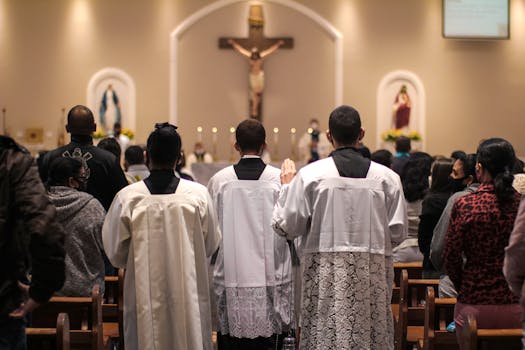
people standing inside the church

RESPONSES AT MASS IN ENGLISH AND NKWEN LANGUAGE

MƏKWENƏ̀ MƏMƏ NDYÂ-NYWÈ

The Peoples Part At Mass In English And Nkwen

SIGN OF THE CROSS IN NKWEN

Priest: Nә әlwenә Ətàà nә wu moo nә̀ wu Àzhwè zә Ŋwà’ànә̀, ( the name of the Father and of the Son and of the Holy Spirit)
People: Adzwilìi. (Amen)̄
Priest: Nywè à dzwi nә̀ bùu. (The lord is with you)
People: Nkә ndzwi nә àzhwè zhә. (And with your spirit)
Priest: Bələmə ba, a binə̀ biŋə ngə binə̀ ghərə əbwu ntiˀi nyεsə atyəmbə̀ŋə̀ zinə̀ zaˀa mboŋə zhìtə̀ mənyù mə ǹkùŋsə̀ Nywè zə ŋwàˀanə̀ zi. (Brethren/brothers and sisters), Let us acknowledge our sins and prepare ourselves to celebrate the sacred mysteries.)

PENITENTIAL ACT A:
I CONFESS
 (Ǹkô-mə̀lìŋnə̀)

Priest: Mә nfi’itә әbwu wa (I confess)

People: Mә nfi’itә әbwu wa a mbwo Nywè wuma a dzwi nә̀ mә̀tenә̀ mәtsә̀mә̀, nә bùu bәlә̀mә ba, ŋgә mә̀ nghә̀rә әbuu susu: A nu mә̀wi’itәnә̀ ma nә̀ ǝ̀bòŋnә̀ dzwa, a nu mә̀nyù muma mә̀ ghә̀rә nә muma mә̀ mὲ’ε tә̀ ghә̀rә̀. A nu mә̀ẁokәnә̀ ma, a nu mә̀wòkәnә̀ ma, a nu mə̀wòkәnә̀ ma mǎ nwwe. Mә̀ ti’i nlontә a mbwo Màriyà Ŋwà’ànә̀ bwo bә̀tsì-bә-dya bә Nywe, nә bә̀ bǎ ŋwà’ànә̀ bәtsә̀mə̀, nә bùu bәlә̀mә ba ngә a nә̀ shwenә Nywe-Ətàà ambwo mwò.

LORD HAVE MERCY WITHOUT VERSES

Priest: Moo Nywè ko mәlìŋnә̀. (Lord have mercy)

All: Moo Nywè Ko mәlìŋnә̀. (Lord have mercy.)

Priest: Krist̀o ko mәlìŋnә̀. (Christ have mercy)

All: Kristò ko mәlìŋnә̀. (Christ have mercy)

Priest: Moo Nywè Komәlìŋnә̀. (Lord have mercy.)

All: Moo Nywè K̀o mәlìŋnә̀. (Lord have mercy.)

PENITENTIAL ACT B

Priest: Ko mәlìŋnә̀ wi, o Әtaa. (Have mercy on us, O Lord.)

All: Mbә’әma bii ghәrә ә̀buu nnu wwò. (For we have sinned against you.)

Priest: O Әtaa wi Nywe, dәsә mәna’anә̀ mә əbwu mwo a mbwo bìi. (Show us, O Lord, your mercy)

All: Nkә fya mәdzwinә̀ mwo mà nshi’inә̀ ambwo bìi. (And grant us your salvation)

Or
LORD HAVE MERCY WITH VERSES

Priest: Bә tuŋә wwo ŋgә o yii ntsu’u bә bǎ əbwu. Moo Nywè Ko mәlìŋnә̀. (Your were sent to heal the contrite of heart, Lord have Mәrcy)

All: Moo Nywè Ko mәlìŋnә̀. (Lord have mercy.)

Priest: O yii mә toŋnә̀ bə bǎ әbwu. Kristò ko mәlìŋnә̀. (You came to call sinners. Christ have mercy.)

All: Kristò ko mәlìŋnә̀. (Christ have mercy)

Priest: O nunә abwo mà’a Ətàà mә lontәnә̀ a mbwo bìi. Moo Nywè Ko mәlìŋnә̀. (You are seated at the right hand of the Father to intercede for us. Lord have mercy.)

All: Moo Nywè Ko mәlìŋnә̀. (Lord have mercy.)

Priest: A Nywè ma a dzwi nə̀ mə̀tὲnə̀ mètsə̀mə̀ ko məliŋnə̀ winə̀, nnaˀa əbwu winə̀ ntiˀi nfya mədzwinə̀ ma mə lyə kə mye a mbwo binə̀. (May almighty God have mercy on us, forgive us our sins and bring us to everlasting life.)

People: Adwilìi. (Amen)

Mә̀ghu’usәnә (GLORIA)

Nghù’usә dzwi a mbwo Nywe-ngoŋә ma à dzwi fәfә nәkàŋә nә mboonә mbwo ŋù ntsә̀mә̀ fә nshye ma a dzwi nә̀ ntiŋә nshi’inә̀. Bii dorә nә̀ wwò, bii foo wwo, bii myεnә wwo, bii ghu’usә wwo. Bii fya mәyà a mbwo wwò nә nәfonә̀ zhә zә̀ wwε. Nywè Ətàa, Mfò Nә̀kàŋә̀, o Nywè ma ò dzwi nә̀ mә̀tεnә̀ mәtsә̀mә̀. Mfò Yesu Kristò, Moo Ngonә mo’o. Moo Mbyi ǹdzὲrә̀, moo Nywe-ngoŋә Ətaa. O lòo әbwu mbyi ǹtsә̀mә̀, ko mәlìŋnә̀ wìi. O lòo әbwu mbyi ǹtsә̀mә̀, zwi’itә ndzùŋә̀ zìi. Ò nunә abwo mà’à Ətaa, ko mәlìŋnә̀ wìi. Tsuŋ wwò-wwò ma ò bә Ŋwà’ànә, wwò-wwò wimò’ò ma ò bә M̀fò, wwò-wwò ma ò bә M̀fò nwě, Yesu Kristò nә Azhwe zә Ŋwà’ànә̀ mәmә àghu’usә̀ Nywè Ətàa. Adzwi lìi.

AFTER THE FIRST AND SECOND READINGS

Reader: Aboŋnә Nywè. (The word of the Lord)
All: Mәyà mbwo Nywè. (Thanks be to God)

Before the Gospel

Priest: Aboŋnә Ətaa winә Yesu Kristò ma _____ (Matiyò, Marәkus, Lukas, Dzon)  Nwa’anә a ŋwa’arә̂. (The Holy Gospel According to St. __________Matthew, Mark, Luke, John)

People: Mәkwu’utәnә dzwi ambwo wwo, o Mfò wii. (Glory to you o lord)

AT THE END OF THE GOSPEL

Priest: Àbòŋnǝ Yesu Christò. (The Gospel of the Lord)
People: Nghu’usǝ̀ dzwì a mbwo wwo Mfò Yesu Kristò. (Praise to you Lord Jesus Christ)

THE APOSTLES CREED (Mə̀biŋnə)

Mə̀ mbiŋə mbwo Nywè Ətaa, ma a dzwi nә mәtenә mәtsemә. Ma a ghərə nəkaŋə bwo nshye, Ne Moo Ngonә yì wi mò’o M̀fò Yesu Kristo, ma bә tu’unə yi mbə’ə Azhwè zə ƥwa’anǝ̀ Mariyà a jwe yi. A zə ŋgə’ə zhi nshye wi mbwo Bonto Blato, Bә bu’utә̀ yi nә àbàŋnә̀, a kwo bə twiŋə yε. A tso nghə ndzwi ala’a bə̀ ba kwonə̌, njwe tarə a bəŋnə̀ nəwwo. A ko’o nghə̀ nəkàŋə̀ nnunə abwo mà’à Ətàa ma à dzwi nә̀ mә̀tènә mәtsә̀mә̀. A lyə bu yii məsa’anə̀ bə bətsə̀mə̀ fəfə nshye. Bǎ dzwinə nə̀ bǎ kwonə. Mә̀ mbiŋә mbwo Àzhwè zә Ŋwa’anə. Nə ǹkùŋsə̀ ndya Nywè Katorә; Nə nkùŋsə̀ Bә̀ bâ Nwa’anә, nə mә na’anә̀ mә әbwu, nə mə̀zwiŋnə̀, mə mbəŋə̀ ǹnu, nə mə̀dzwinə̀ ma mə lyə kə mye. Adzwilìi.

Hail Mary

Tsε’εtә Màriyà, o luu nә̀ grashà. Nywè à dzwi nè wwͻ̀, ò ghà’a nchya bә̀ŋgye bәtsә̀mә̀, mә̀fonә̀ dzwi nә̀ moo wwò, Yεsù.
Mariyà Ŋwà’ànә mya Nywè, shwεnә Nywè a mbwo bìi bә bă bwu tsәtsoŋnә̀ wi nә àghә̀mә̀ newwo zii, adzwi lǐ.

INVITATION PRAYER

Priest: Bә̀ləmә ba, a nә̀ taŋә ndzuŋә̀ ŋgә Nywè-Ətàa ma à dzwi nə̀ mətenə mətsə̀mə̀ a kwε mәbεrәtәnә̀ minə̀. (Pray brethren that my sacrifice and yours may be acceptable to God the Almighty Father.
People: A Nywe kwε mәbεrәtәnә mìi fә mbwo wwo, nә mәkwu’utәnә nә mәghu’usәnә mә әlwεnә myi, fә nə ə̀bòŋә̀ winə̀ nә əboŋә Ndya-nywe zhi zә Ŋwà’ànә̀ ntsә̀mә̀. (May the Lord accept the sacrifice at your hands for the praise and glory of his name for our good and the good of all his Church.)

PREFACE DIALOGUE

Priest: Nywè à dzwi nә bùu. (The lord is with you)
People: ŋkә ndzwi nә àzhwè zhә. (And with your spirit)
Priest: Nyε’ε nә mәntiŋә mu. (Lift up your hearts)
People: Bii nyε’ε mfya a mbwo Nywè. (We lift them up to the lord)
Priest: A binə̀ fya mәyà ambwo Nywè Ətàa winә̀. (Let us give thanks to the Lord our God)
People: A bә nko’onyù nkә nku’unә. (It is right and just)

HOLY HOLY (Nwà’anə Nwà’anə)

Ŋwà’anə̀, Ŋwà’anə̀, Ŋwà’anə, Nywe M̀fo nə̀kàŋə̀. Nə̀kàŋə̀ bwo nshye luu nə̀ mboonə zhə̀. Hosanna fə məmə̀ àkò’onə. Mboonə̀ nә zhə ma a yìì nə əlwenə Ətàa. Hosanna fə məmə̀ àkò’onə.

MYSTERIES OF FAITH

Priest: Akhә’әnә nyù mә biŋnә. (The Mystery of Faith)

  1. People: Bii swiŋә anyù nәwwo zhә Ətàà, ŋkә lensә mә̀bә̀ŋnәnә̀ mwo fә nәwwo, tyi ò lyә mbù nyìi.(we proclaim your death o lord and profess your resurrection until you come again) Or 
  2. Àghә̀mә̀ ntsә̀mә̀ ma bii jyә abanә zi nkә nyә nә̀ nfòŋә̀ wi, bìi swiŋә anyù nәwwo zhә Ətàà ti ò lyә mbù nyìi. (When we eat this bread and drink this cup, we proclaim your death o lord, until you come again,) Or
  3. Kwesә wii Nkwesә̀ m̀byi ǹtsә̀mә̀, m̀bә’ә abàŋnә̀ zhә nә̀ mә̀bә̀ŋnәnә̀ nәwwo, o zwìŋsә wii. (Save us saviour of the world for by your cross and resurrection you have set us free.

OUR FATHER

Әtàa wi wu ma ò dzwi nәkàŋә̀, ә̀lwenә̀ wwò bә wù Nwà’anә, ghә̀rә nsa’à ala’à zhә̀ yii fә nshye wi tsuŋ ma ə̀ dzwi nәkàŋә.

    Fyâ mәjyә mu ma mә ku’unә fә ambwo bìì senә wìi, nna’a әbwu wii tsuŋ ma bìi nà’a әbwu bә buma bwo ghә̀rә әbwu nnu bìi. Kә wii nә mὲ’ὲtә̀ bii ghә nduŋә mbwu la fusә wii nu mә̀nyù mă bwu. Adzwilìi. 

FOR THE KINGDOM

Ala’à ntsә̀mә̀ nә mә̀tènә̀, nә àghu’usә̀ dzwi ambwo wwò a tsәtsoŋnә̀ wi nә àghә̀mә̀ ntsә̀mә̀. (For the Kingdom, the power and the glory are yours now and forever.)

THE SIGN OF PEACE

Priest: Mboonә Nywè-ngoŋә̀  dzwi nə̀ bùu. (The peace of the Lord be with you.)

 People: Nkә ndzwi nә àzhwè zhә.  (And with your spirit.)

Priest: A binә̀ tsε’εtә atyәmbә̀ŋә̀ zinә̀ nә àlensә mboonә. (Let us offer each other the sign of peace)

People: Mboonә dzwi nnu wwò – Adzwilìi. (Peace be with you – Amen)

AGNUS DEI (Moo-mbyi Ndzὲrə̀ Nywè)

Moo mbyi-ǹdzὲrə̀, Nywe-ngoŋə̀ ma a lòo əbwu mbyi ǹtsә̀mә̀.  (Lamb of God you take away the sins of the world.)

All: ko məlìŋnə̀ wìi. 2x (Have mercy on us) x2

Moo mbyi-ǹdzὲrə̀, Nywè-ngoŋə̀ ma à lòo əbwu  mbyi ǹtsә̀mә̀. (Lamb of God you take away the sins of the world.)

All: Fya mboonə ambwo bìi.  (Grant us peace)

INVITATION TO COMMUNION

Priests: Li bә Moo Mbyi-Ǹdzὲrә̀ Nywè, li bә zhә ma a lòo әbwu winә̀. Mә̀fonə̀ dzwi a mbwo bә̀ buma bwo kuŋsә mә jyәnә̀ ntarә yi wii. (This is the lamb of God. This is he who takes away the sins of the World. Happy are those who are called to the supper of the lamb.)

People: Nywè, mә̀ bikakә ku’unə̀ ma boŋә o kuu məmə nnu mwo, la swiŋә tsε’ὲ ta’a anyu, ntsuˀu ntiŋә wwa. (Lord I am not worthy that you may enter under my roof but say only a word and my soul shall be healed.)

RECEPTION OF COMMUNION

Priest: M̀bә̀ŋә̀ nnu Kristò. (The body of Christ)

Person: Adzwilìi (Amen)

CONCLUDING RITE

Priests: Nywè a dzwi nә bùu. (The lord is with you)

People: Nkә ndzwi nә àzhwè zhә. (And with your spirit)

Priest: A bùù ghә nә m̀boonә, nkoŋnә Nywè nkә fa’a mbwo zhә. (Go in peace to love and serve the Lord.)

People: Mәya mbwo Nywè. (Thanks be to God)

PRAYER TO THE BLESSED TRINITY – The Glory be Me Mә̀khu’utәnә̀ dzwi a mbwo Әtàa, nә moo nә̀ Àzhwè zә Ŋwà’ànә.
Ma a bi ndzwi mәzhìtәnә̀, a kә ndzwi atsәtsoŋәnә̀ wi, nә àghә̀mә̀ ntsә̀mә̀ nә mә̀dzwinә̀ muma mә lyә kә myè. Adzwilĭ.

ACT OF CONTRITION

Tsaa mәliŋnә. (Sorry)
O Nywe wà, mә̀ ko mәlìŋnә̀, mbә’ә mә̀ ghә̀rә әbwu fә nnu wwò. Ò boŋә nchyatә, kә wwo әbwu koŋә. Mә swa’à mәtὲnә̀, kә wa әbwu bùu ghә̀rә. Mә ghә̀rә ngә’ә nә ә̀bwu wa. Adzwilǐ.

HAIL HOLY QUEEN

Tsὲ’tә Mya M̀fò Ŋwa’ànә

Tsὲ’εtε Mya M̀fò Ŋwa’ànә, Mya ǹtsǎ mә̀lìŋnә̀. Linә medzwinә̀ mi nә ə̀bòŋə̀ wii, nә əwiˀitə̀ zii. Bìi kìi a mbwo wwò, Bìi boŋә Ifà. Bìi kə̀sə̀ bə̀tswὲrə̀ nə mə̀loŋnə̀ mii fə mәmә nә̀bә̀mә̀ nә nkyi mmi zìi, o àkù-ntuŋə Nywe, kasə la mmi məlìŋnə mwo nnu bìi. Na’a ngә’ә zi zìi lyǝ mye, dəsə Yesù moo-ngonə ŋwàˀànə̀ wwò a mbwo bìi. O Ŋwàˀànə̀, o nkoŋә wii, o ə̀lə̀mtə məngònә̀ Màriyà. Àdzwilǐ

Shwenǝ a mbwo Ŋwa’anǝ Mya Nywe.

All: Ngǝ boŋǝ bìi ku’ùnǝ̀ mǝdzwinǝ̀ nǝ ǝdzuŋǝ dzwu ma Nywe ǎ ka’anǝ wii wǝ.

A binǝ̀ shwenǝ – Let us pray

O Nywè-ngòŋǝ̀, mbǝ’ǝ mǝdzwinǝ̀ mǝ moo wwò wi mo’o, nǝ nǝ̀wwo zhimǝ̀bǝ̀ŋnǝnǝ̀ myi fǝ nǝwwo, o zuu mǝ̀dzwinǝ̀ ma mǝ lyǝ kǝ̌ mye a mbwo bìi, bìi ti’i nlontǝ ngǝ ma bìi shwenǝ mǝmǝ ǝ̀dì’ì Rosarǝyà Mariyà Ŋwa’anǝ dzwi li, a bìi ghǝrǝ anyù zuma ǝ swiŋǝ nkǝ dzwi nǝ ǝ̀kà’anǝ dzwu ma ǝ̀ dzwi wu mǝmǝ. Bìi lontǝ lǐ nǝ ǝ̀lwenǝ moo wwò Yesu Kristò, Adzwilǐ.

COME HOLY SPIRIT

O Àzhwè zә Ŋwà’ànә̀ yìi, lwensә mentiŋә mә bә̀ buma bwo biŋə wwo, nkə cu’u mmu akoŋnə̀ wwo məntiŋə bwo.

Chyasә Azhwe  zhә, ə̌ bu nka’a wwa, O tiˀi ŋwa’asә mbyi ǹtsә̀mә̀.

A binә̀ shwenә 

   O Nywè, wuma o zìˀirə mə̀tiŋə mə bə buma bwo biŋə wwo nə nkàˀa Azhwe zə Nwàˀànə, ghәrә la ngә boŋә bi dzwi nә mə̀cìi aghəmə ntsəmə, mbә’ә adasə̀  Azhwe zә zha, nkә nyε’εsә mәmә mborә̀ zhĭ mbəˀə Kristò Nywè wìi. Adzwilǐ.

The Lord’s Prayer in Nkwen Language
The Hail Holy Queen Prayer in Nkwen Language


Nkwen Language Lessons

Gospel Of Third Sunday in Ordinary Time, Year C 

Aspects Of The English Language

Basic Mathematics

General Knowledge Questions and Answers Revision

Responsorial Psalm Chants For Sundays

Home

On YouTube

RESPONSES AT MASS IN NKWEN LANGUAGE

RESPONSES AT MASS IN NKWEN LANGUAGE

people standing inside the church

MƏKWENƏ̀ MƏMƏ NDYÂ-NYWÈ

SIGN OF THE CROSS

Podcast

Priest: Nә әlwenә Ətàà nә wu moo nә̀ wu Àzhwè zә Ŋwà’ànә̀, ( the name of the Father and of the Son and of the Holy Spirit)
People: Adzwilìi. (Amen)̄
Priest: Nywè à dzwi nә̀ bùu. (The lord is with you)
People: Nkә ndzwi nә àzhwè zhә. (And with your spirit)
Priest: Bələmə ba, a binə̀ biŋə ngə binə̀ ghərə əbwu ntiˀi nyεsə atyəmbə̀ŋə̀ zinə̀ zaˀa mboŋə zhìtə̀ mənyù mə ǹkùŋsə̀ Nywè zə ŋwàˀanə̀ zi. (Brethren/brothers and sisters), let us acknowledge our sins and so prepare ourselves to celebrate the sacred mysteries.)

PENITENTIAL ACT A:
I CONFESS
 (Ǹkô-mə̀lìŋnə̀)

Priest: Mә nfi’itә әbwu wa (I confess)

People: Mә nfi’itә әbwu wa ambwo Nywè wuma a dzwi nә̀ mә̀tenә̀ mәtsә̀mә̀, nә bùu bәlә̀mә ba, ŋgә mә̀ nghә̀rә әbuu susu: A nu mә̀wi’itәnә̀ ma nә̀ ǝ̀bòŋnә̀ dzwa, a nu mә̀nyù muma mә̀ ghә̀rә nә muma mә̀ mὲ’ε tә̀ ghә̀rә̀. A nu mә̀ẁokәnә̀ ma, a nu mә̀wòkәnә̀ ma, a nu mə̀wòkәnә̀ ma mǎ nwwe. Mә̀ ti’i nlontә ambwo Màriyà Ŋwà’ànә̀ bwo bә̀tsì-bә-dya bә Nywe, nә bә̀ bǎ ŋwà’ànә̀ bәtsә̀mə̀, nә bùu bәlә̀mә ba ngә a nә̀ shwenә Nywe-Ətàà ambwo mwò.

LORD HAVE MERCY WITHOUT VERSES

Priest: Moo Nywè ko mәlìŋnә̀. (Lord have mercy)

All: Moo Nywè Ko mәlìŋnә̀. (Lord have mercy.)

Priest: Krist̀o ko mәlìŋnә̀. (Christ have mercy)

All: Kristò ko mәlìŋnә̀. (Christ have mercy)

Priest: Moo Nywè Komәlìŋnә̀. (Lord have mercy.)

All: Moo Nywè K̀o mәlìŋnә̀. (Lord have mercy.)

PENITENTIAL ACT B

Priest: Ko mәlìŋnә̀ wi, o Әtaa. (Have mercy on us, O Lord.)

All: Mbә’әma bii ghәrә ә̀buu nnu wwò. (For we have sinned against you.)

Priest: O Әtaa wi Nywe, dәsә mәna’anә̀ mә əbwu mwo a mbwo bìi. (Show us, O Lord, your mercy)

All: Nkә fya mәdzwinә̀ mwo mà nshi’inә̀ ambwo bìi. (And grant us your salvation)

Or
LORD HAVE MERCY WITH VERSES

Priest: Bә tuŋә wwo ŋgә o yii ntsu’u bә bǎ əbwu. Moo Nywè Ko mәlìŋnә̀. (Your were sent to heal the contrite of heart, Lord have Mәrcy)

All: Moo Nywè Ko mәlìŋnә̀. (Lord have mercy.)

Priest: O yii mә toŋnә̀ bə bǎ әbwu. Kristò ko mәlìŋnә̀. (You came to call sinners. Christ have mercy.)

All: Kristò ko mәlìŋnә̀. (Christ have mercy)

Priest: O nunә abwo mà’a Ətàà mә lontәnә̀ ambwo bìi. Moo Nywè Ko mәlìŋnә̀. (You are seated at the right hand of the Father to intercede for us. Lord have mercy.)

All: Moo Nywè Ko mәlìŋnә̀. (Lord have mercy.)

Priest: A Nywè ma a dzwi nə̀ mə̀tὲnə̀ mètsə̀mə̀ ko məliŋnə̀ winə̀, nnaˀa əbwu winə̀ ntiˀi nfya mədzwinə̀ ma mə lyə kə mye ambwo binə̀. (May almighty God have mercy on us, forgive us our sins and bring us to everlasting life.)

People: Adwilìi. (Amen)

Mә̀ghu’usәnә (GLORIA)

Nghù’usә dzwi a mbwo Nywe-ngoŋә ma à dzwi fәfә nәkàŋә nә mboonә mbwo ŋù ntsә̀mә̀ fә nshye ma a dzwi nә̀ ntiŋә nshi’inә̀. Bii dorә nә̀ wwò, bii foo wwo, bii myεnә wwo, bii ghu’usә wwo. Bii fya mәyà a mbwo wwò nә nәfonә̀ zhә zә̀ wwε. Nywè Ətàa, Mfò Nә̀kàŋә̀, o Nywè ma ò dzwi nә̀ mә̀tεnә̀ mәtsә̀mә̀. Mfò Yesu Kristò, Moo Ngonә mo’o. Moo Mbyi ǹdzὲrә̀, moo Nywe-ngoŋә Ətaa. O lòo әbwu mbyi ǹtsә̀mә̀, ko mәlìŋnә̀ wìi. O lòo әbwu mbyi ǹtsә̀mә̀, zwi’itә ndzùŋә̀ zìi. Ò nunә abwo mà’à Ətaa, ko mәlìŋnә̀ wìi. Tsuŋ wwò-wwò ma ò bә Ŋwà’ànә, wwò-wwò wimò’ò ma ò bә M̀fò, wwò-wwò ma ò bә M̀fò nwě, Yesu Kristò nә Azhwe zә Ŋwà’ànә̀ mәmә àghu’usә̀ Nywè Ətàa. Adzwi lìi.

AFTER THE FIRST AND SECOND READINGS

Reader: Aboŋnә Nywè. (The word of the Lord)
All: Mәyà mbwo Nywè. (Thanks be to God)

Before the Gospel

Priest: Aboŋnә Ətaa winә Yesu Kristò ma _____ (Matiyò, Marәkus, Lukas, Dzon)  Nwa’anә a ŋwa’arә̂. (The Holy Gospel According to St. __________Matthew, Mark, Luke, John)

People: Mәkwu’utәnә dzwi ambwo wwo, o Mfò wii. (Glory to you o lord)

AT THE END OF THE GOSPEL

Priest: Àbòŋnǝ Yesu Christò. (The Gospel of the Lord)
People: Nghu’usǝ̀ dzwì a mbwo wwo Mfò Yesu Kristò. (Praise to you Lord Jesus Christ)

THE APOSTLES CREED (Mə̀biŋnə)

Mə̀ mbiŋə mbwo Nywè Ətaa, ma a dzwi nә mәtenә mәtsemә. Ma a ghərə nəkaŋə bwo nshye, Ne Moo Ngonә yì wi mò’o M̀fò Yesu Kristo, ma bә tu’unə yi mbə’ə Azhwè zə ƥwa’anǝ̀ Mariyà a jwe yi. A zə ŋgə’ə zhi nshye wi mbwo Bonto Blato, Bә bu’utә̀ yi nә àbàŋnә̀, a kwo bə twiŋə yε. A tso nghə ndzwi ala’a bə̀ ba kwonə̌, njwe tarə a bəŋnə̀ nəwwo. A ko’o nghə̀ nəkàŋə̀ nnunə abwo mà’à Ətàa ma à dzwi nә̀ mә̀tènә mәtsә̀mә̀. A lyə bu yii məsa’anə̀ bə bətsə̀mə̀ fəfə nshye. Bǎ dzwinə nə̀ bǎ kwonə. Mә̀ mbiŋә mbwo Àzhwè zә Ŋwa’anə. Nə ǹkùŋsə̀ ndya Nywè Katorә; Nə nkùŋsə̀ Bә̀ bâ Nwa’anә, nə mә na’anә̀ mә әbwu, nə mə̀zwiŋnə̀, mə mbəŋə̀ ǹnu, nə mə̀dzwinə̀ ma mə lyə kə mye. Adzwilìi.

Hail Mary

Tsε’εtә Màriyà, o luu nә̀ grashà. Nywè à dzwi nè wwͻ̀, ò ghà’a nchya bә̀ŋgye bәtsә̀mә̀, mә̀fonә̀ dzwi nә̀ moo wwò, Yεsù.
Mariyà Ŋwà’ànә mya Nywè, shwεnә Nywè ambwo bìi bә bă bwu tsәtsoŋnә̀ wi nә àghә̀mә̀ newwo zii, adzwi lǐ.

INVITATION PRAYER

Priest: Bә̀ləmә ba, a nә̀ taŋә ndzuŋә̀ ŋgә Nywè-Ətàa ma à dzwi nə̀ mətenə mətsə̀mə̀ a kwε mәbεrәtәnә̀ minə̀. (Pray brethren that my sacrifice and yours may be acceptable to God the Almighty Father.
People: A Nywe kwε mәbεrәtәnә mìi fә mbwo wwo, nә mәkwu’utәnә nә mәghu’usәnә mә әlwεnә myi, fә nə ə̀bòŋә̀ winə̀ nә əboŋә Ndya-nywe zhi zә Ŋwà’ànә̀ ntsә̀mә̀. (May the Lord accept the sacrifice at your hands for the praise and glory of his name for our good and the good of all his Church.)

PREFACE DIALOGUE

Priest: Nywè à dzwi nә bùu. (The lord is with you)
People: ŋkә ndzwi nә àzhwè zhә. (And with your spirit)
Priest: Nyε’ε nә mәntiŋә mu. (Lift up your hearts)
People: Bii nyε’ε mfya a mbwo Nywè. (We lift them up to the lord)
Priest: A binə̀ fya mәyà ambwo Nywè Ətàa winә̀. (Let us give thanks to the Lord our God)
People: A bә nko’onyù nkә nku’unә. (It is right and just)

HOLY HOLY (Nwà’anə Nwà’anə)

Ŋwà’anə̀, Ŋwà’anə̀, Ŋwà’anə, Nywe M̀fo nə̀kàŋə̀. Nə̀kàŋə̀ bwo nshye luu nə̀ mboonə zhə̀. Hosanna fə məmə̀ àkò’onə. Mboonə̀ nә zhə ma a yìì nə əlwenə Ətàa. Hosanna fə məmə̀ àkò’onə.

MYSTERIES OF FAITH

Priest: Akhә’әnә nyù mә biŋnә. (The Mystery of Faith)

  1. People: Bii swiŋә anyù nәwwo zhә Ətàà, ŋkә lensә mә̀bә̀ŋnәnә̀ mwo fә nәwwo, tyi ò lyә mbù nyìi.(we proclaim your death o lord and profess your resurrection until you come again) Or 
  2. Àghә̀mә̀ ntsә̀mә̀ ma bii jyә abanә zi nkә nyә nә̀ nfòŋә̀ wi, bìi swiŋә anyù nәwwo zhә Ətàà ti ò lyә mbù nyìi. (When we eat this bread and drink this cup, we proclaim your death o lord, until you come again,) Or
  3. Kwesә wii Nkwesә̀ m̀byi ǹtsә̀mә̀, m̀bә’ә abàŋnә̀ zhә nә̀ mә̀bә̀ŋnәnә̀ nәwwo, o zwìŋsә wii. (Save us saviour of the world for by your cross and resurrection you have set us free.

OUR FATHER

Әtàa wi wu ma ò dzwi nәkàŋә̀, ә̀lwenә̀ wwò bә wù Nwà’anә, ghә̀rә nsa’à ala’à zhә̀ yii fә nshye wi tsuŋ ma ə̀ dzwi nәkàŋә.

    Fyâ mәjyә mu ma mә ku’unә fә ambwo bìì senә wìi, nna’a әbwu wii tsuŋ ma bìi nà’a әbwu bә buma bwo ghә̀rә әbwu nnu bìi. Kә wii nә mὲ’ὲtә̀ bii ghә nduŋә mbwu la fusә wii nu mә̀nyù mă bwu. Adzwilìi. 

FOR THE KINGDOM

Ala’à ntsә̀mә̀ nә mә̀tènә̀, nә àghu’usә̀ dzwi ambwo wwò a tsәtsoŋnә̀ wi nә àghә̀mә̀ ntsә̀mә̀. (For the Kingdom, the power and the glory are yours now and forever.)

THE SIGN OF PEACE

Priest: Mboonә Nywè-ŋgoŋә̀  dzwi nə̀ bùu. (The peace of the Lord be with you.)

 People: Nkә ndzwi nә àzhwè zhә.  (And with your spirit.)

Priest: A binә̀ tsε’εtә atyәmbә̀ŋә̀ zinә̀ nә àlensә mboonә. (Let us offer each other the sign of peace)

People: Mboonә dzwi nnu wwò – Adzwilìi. (Peace be with you – Amen)

AGNUS DEI (Moo-mbyi Ndzὲrə̀ Nywè)

Moo mbyi-ǹdzὲrə̀, Nywe-ngoŋə̀ ma a lòo əbwu mbyi ǹtsә̀mә̀.  (Lamb of God you take away the sins of the world.)

All: ko məlìŋnə̀ wìi. 2x (Have mercy on us) x2

Moo mbyi-ǹdzὲrə̀, Nywè-ngoŋə̀ ma à lòo əbwu  mbyi ǹtsә̀mә̀. (Lamb of God you take away the sins of the world.)

All: Fya mboonə ambwo bìi.  (Grant us peace)

INVITATION TO COMMUNION

Priests: Li bә Moo Mbyi-Ǹdzὲrә̀ Nywè, li bә zhә ma a lòo әbwu winә̀. Mә̀fonə̀ dzwi a mbwo bә̀ buma bwo kuŋsә mә jyәnә̀ ntarә yi wii. (This is the lamb of God. This is he who takes away the sins of the World. Happy are those who are called to the supper of the lamb.)

People: Nywè, mә̀ bikakә ku’unə̀ ma boŋә o kuu məmə nnu mwo, la swiŋә tsε’ὲ ta’a anyu, ntsuˀu ntiŋә wwa. (Lord I am not worthy that you may enter under my roof but say only a word and my soul shall be healed.)

RECEPTION OF COMMUNION

Priest: M̀bә̀ŋә̀ nnu Kristò. (The body of Christ)

Person: Adzwilìi (Amen)

CONCLUDING RITE

Priests: Nywè a dzwi nә bùu. (The lord is with you)

People: Nkә ndzwi nә àzhwè zhә. (And with your spirit)

Priest: A bùù ghә nә m̀boonә, nkoŋnә Nywè nkә fa’a mbwo zhә. (Go in peace to love and serve the Lord.)

People: Mәya mbwo Nywè. (Thanks be to God)

PRAYER TO THE BLESSED TRINITY – The Glory Me Mә̀khu’utәnә̀ dzwi a mbwo Әtàa, nә moo nә̀ Àzhwè zә Ŋwà’ànә.
Ma a bi ndzwi mәzhìtәnә̀, a kә ndzwi atsәtsoŋәnә̀ wi, nә àghә̀mә̀ ntsә̀mә̀ nә mә̀dzwinә̀ muma mә lyә kә myè. Adzwilĭ.

ACT OF CONTRITION

Tsaa mәliŋnә. (Sorry)
O Nywe wà, mә̀ ko mәlìŋnә̀, mbә’ә mә̀ ghә̀rә әbwu fә nnu wwò. Ò boŋә nchyatә, kә wwo әbwu koŋә. Mә swa’à mәtὲnә̀, kә wa әbwu bùu ghә̀rә. Mә ghә̀rә ngә’ә nә ә̀bwu wa. Adzwilǐ.

HAIL HOLY QUEEN

Tsὲ’tә Mya M̀fò Ŋwa’ànә

Tsὲ’εtε Mya M̀fò Ŋwa’ànә, Mya ǹcǎ mә̀lìŋnә̀. Linә medzwinә̀ mi nә ə̀bòŋə̀ wii, nә əwiˀitə̀ zii. Bìi kìi ambwo wwò, Bìi boŋә Ifà. Bìi kə̀sə̀ bə̀tswὲrə̀ nə mə̀loŋnə̀ mii fə mәmә nә̀bә̀mә̀ nә ŋkyi mmi zìi, o àkù-ntuŋə Nywe, kasə la mmi məlìŋnə mwo nnu bìi. Na’a ngә’ә zi zìi lyǝ mye, dəsə Yesù moo-ŋgonə ŋwàˀànə̀ wwò ambwo bìi. O Ŋwàˀànə̀, o nkoŋә wii, o ə̀lə̀mtə məngònә̀ Màriyà. Àdzwilǐ

Shwenǝ a mbwo Ŋwa’anǝ Mya Nywe.

All: Ngǝ boŋǝ bìi ku’ùnǝ̀ mǝdzwinǝ̀ nǝ ǝdzuŋǝ dzwu ma Nywe ǎ ka’anǝ wii wǝ.

A binǝ̀ shwenǝ – Let us pray

O Nywè-ngòŋǝ̀, mbǝ’ǝ mǝdzwinǝ̀ mǝ moo wwò wi mo’o, nǝ nǝ̀wwo zhimǝ̀bǝ̀ŋnǝnǝ̀ myi fǝ nǝwwo, o zuu mǝ̀dzwinǝ̀ ma mǝ lyǝ kǝ̌ mye ambwo bìi, bìi ti’i nlontǝ ngǝ ma bìi shwenǝ mǝmǝ ǝ̀dì’ì Rosarǝyà Mariyà Ŋwa’anǝ dzwi li, a bìi ghǝrǝ anyù zuma ǝ swiŋǝ nkǝ dzwi nǝ ǝ̀kà’anǝ dzwu ma ǝ̀ dzwi wu mǝmǝ. Bìi lontǝ lǐ nǝ ǝ̀lwenǝ moo wwò Yesu Kristò, Adzwilǐ.

COME HOLY SPIRIT

O Àzhwè zә Ŋwà’ànә̀ yìi, lwensә mentiŋә mә bә̀ buma bwo biŋə wwo, nkə cu’u mmu akoŋnə̀ wwo məntiŋə bwo.

Chyasә Azhwe  zhә, ə̌ bu nka’a wwa, O tiˀi ŋwa’asә mbyi ǹtsә̀mә̀.

A binә̀ shwenә 

   O Nywè, wuma o zìˀirə mə̀tiŋə mə bə buma bwo biŋə wwo nə nkàˀa Azhwe zə Nwàˀànə, ghәrә la ngә boŋә bi dzwi nә mə̀cìi aghəmə ntsəmə, mbә’ә adasə̀  Azhwe zә zha, nkә nyε’εsә mәmә mborә̀ zhĭ mbəˀə Kristò Nywè wìi. Adzwilǐ.

Mass Responses 1 https://www.youtube.com/watch?v=hOC-7BgHsbA&list=PL_ihUsy6_PLK-rNbEuGye59EVlhjfeaVb The Lord’s Prayer in Nkwen Language
Mass Responses 2 https://www.youtube.com/watch?v=3Kex7nxjZQs&list=PL_ihUsy6_PLIH9KxSwacoxdZ3m76vsYsD The Hail Mary Prayer in Nkwen Language
Mass Responses 3 https://www.youtube.com/watch?v=Ujl3jtLzO-4&list=PL_ihUsy6_PLKYRhQJ1B65SZ5XN1sLjNBk The Hail Holy Queen Prayer in Nkwen Language

Click the link below to follow more lessons on Nkwen Language and others.

Nkwen Language Lessons

Gospel Of Third Sunday in Ordinary Time, Year C 

Aspects Of The English Language

Basic Mathematics

General Knowledge Questions and Answers Revision

Responsorial Psalm Chants For Sundays

Home

https://youtube.com/c/TaminangThereseN

The /f/ sound in Nkwen Language

F   f

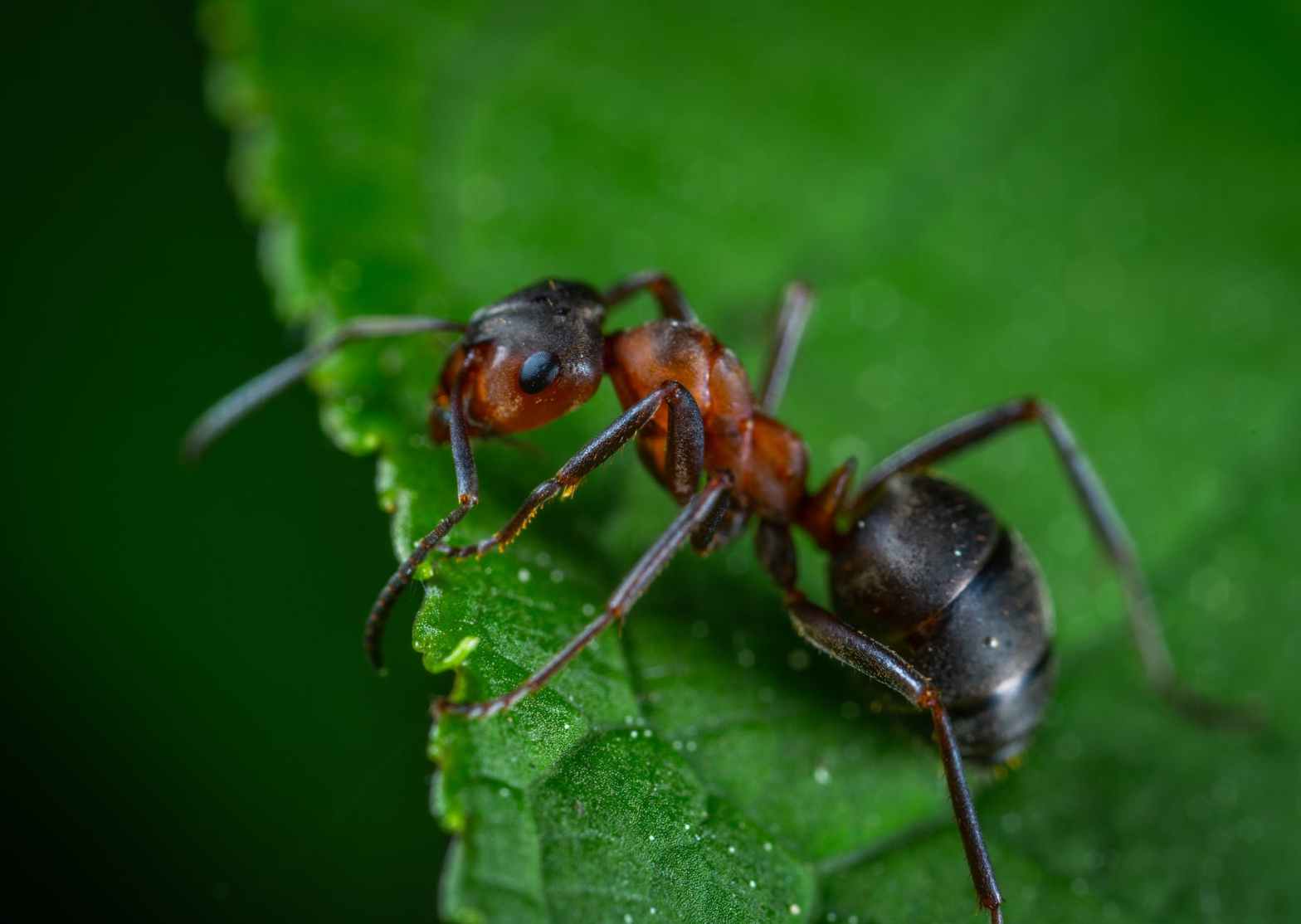
fә̀ngә̀gә̀rǝ → an ant

Nkwen language Lessons https://www.youtube.com/watch?v=hUxKr8OnLBI&list=PL_ihUsy6_PLIGXM9vFSgIaP5EP1vbDokZ Nkwen Language Alphabet and some Grammatical Aspects

The /fsound in Nkwen Language is an unvoiced sound made through the mouth without the use of your vocal chords. It is also called a fricative, as it is produced by high-pressure airflow between a narrow space made by the front teeth and the lips. It comes at the beginning of some words but mostly occupies the medial positions.

F   f

fusә  → remove

fәkәbә →  Spoon

fә̀’ә̀tǝ → measure/imitate

forә  → a rat

fә̀mtә → to bury something in the ground

fusә   → to vomit/to remove

fὲrә̀  → wind

fәtә →  blow a bit

fә̀ngә̀gә̀rǝ → an ant

Àfә̀fàrә̀ → weaver bird

àfwo  → medicine/a leaf

àfὲrә̀  → a blame

àfùfùˀù  → a cockroach

Àfoŋә̀  → a name (m)

fòŋǝ – a cup

fә →  breeze

Ǹfùˀù  → a big hole

Ngwifò  → name (f)

Ngwifà’à  → name (F)

Toŋtә ǹjì koˀo (Read aloud)

      Àfoŋә̀ à fu әghә̌ nkǐ, nyìi nlaŋǝkә yi mânduŋǝ ntәmtә ә̀fә̀fàrә dzwi. À tә̀mә ә̀fә̀fàrè dzwi nә̀fâ nә mә̀nenә mi nәfâ. Ǹnà ә̀fә̀fàrә̀ ә̀ lә̀mtә susu.

Free Translation

Afong delays on his way to the stream because he is hunting Weaver birds. He has shot eight weaver birds and eight grass birds. The flesh of Weaver birds is so tasty.

Click the link below to follow more lessons on Nkwen Language and others.

Nkwen Language Lessons

Gospel Of Third Sunday in Ordinary Time, Year C 

Aspects Of The English Language

Basic Mathematics

General Knowledge Questions and Answers Revision

Responsorial Psalm Chants For Sundays

Home

https://youtube.com/c/TaminangThereseN

The /dz/ sound in Nkwen Language

Advertisements

DZ dz

ǹdzàà → an axe

https://www.youtube.com/watch?v=hUxKr8OnLBI&list=PL_ihUsy6_PLIGXM9vFSgIaP5EP1vbDokZ
Advertisements

/dz/ is one of the six double consonants sounds; /dz/ /gh/ /kh/ /ny/ /ts/ /zh/, found in the second edition of Nkwen Language Alphabet. These sounds are made up of two consonants but are considered single sounds. When written in the upper case, the two letters are capitalized as follows; /DZ/ /GH/ /KH/ /NY/ /TS/ /ZH 

DZ dz

dzàˀa  → to jump

dzìtә̂   → to stake

dzòŋǝ → to lick

dzòŋǝ → a giant

dzinә  → to sneeze

ǹdzàà  → an axe

ǹdzoŋә̀ →   a thorn

ǹdzoŋ-ndzoŋә̀  →  thorns

ǹdziŋә̀      → a bell

ǹdzìŋә̀      → a dream

ә̀dzwaŋә̀   → palm front

ә̀dzuŋә̀     → things

ǹdzàŋә̀     → a song 

ǹdzàŋә    → palm kernels

ǹdzaŋә    → xylophones

ǹdzә̀mә̌  → darkness

Advertisements

Toŋtә nә̀

      Ǹdziŋә̀ ndyâ ŋwàˀàrә̀ ә bòŋnә̌. Ǹdzaˀa tiŋә̀ nkhәtә̌ mbәˀәma fә̀ˀә̀ a chya.  Ə̀dzuŋә jwi dzwi mәmә abàà zhә. À kɔŋә bùˀu ndzaŋә kә dzàˀa bεnә. 

Free Translation

  The church bell is ringing. Ndzah is in haste because he is late. His things are in his bag. He likes to play xylophones, jump, and dance.

Advertisements
The /dz/ sound in Nkwen Language https://www.youtube.com/watch?v=BlwSpS0eLyc&list=PL_ihUsy6_PLKYRhQJ1B65SZ5XN1sLjNBk Collective, Uncountable and Abstract Nouns in Nkwen Language Days of the week and months of the year in Nkwen
Advertisements

Click the link below to follow more lessons on Nkwen Language and others.

Nkwen Language Lessons

Gospel Of Third Sunday in Ordinary Time, Year C 

Aspects Of The English Language

Basic Mathematics

General Knowledge Questions and Answers Revision

Responsorial Psalm Chants For Sundays

Home

https://youtube.com/c/TaminangThereseN

Advertisements

The /ɛ/ sound in Nkwen Language

Є  ε

btә̀ → flash light

Nkwen Language lessons https://www.youtube.com/watch?v=hUxKr8OnLBI&list=PL_ihUsy6_PLIGXM9vFSgIaP5EP1vbDokZ

/ɛ/ is one of the vowel sounds in Nkwen Language. It is an open mid sound different from the /e/ which is a close-mid sound. It mostly surfaced at the medial and final positions in words. Here are some of the words and a short reading exercise below.

Є  ε

M̀brә      → blackberries

m̀brә̂      → a lazy one

m̀benә̀     → a fight

fὲrә̀          → wind

ftә̂           → separate a fight

ǝ̀lrә̀         → a twine

btә̀        → flashlight

àbεrә̀        →  a traditional chair

bεtә           → to quench

àkwε̌          → a bone

àkwˀ  →upper part of the leg (thigh)

nǝ̀kùwe – a pilar

Toŋtә nә̀

    Àmbε  bǝ̌ m̀bὲrә̂. À koŋә tyә mbenә susu. A ghә ǹtsὲˀε mbὲrә̀ ma fὲrә̀ chya ǹkùtә̂. À bә bεntә bu su jyә. À koŋә àfàˀà bәbὲrә susu. Nǝ̀kùwe nǝ ndyâ zhi zǝtsǝ bǝ’ǝnǝ, a kakǝ nyesǝ̀.

Free Translation

    Ambe is a lazy one. He likes to fight a lot. He has picked up some blackberries plucked by the wind to prepare and eat. He likes being lazy. One of the pillars of his house is broken and he has not mended it.

Click the link below to follow more lessons on Nkwen Language and others.

Nkwen Language Lessons

Gospel Of Third Sunday in Ordinary Time, Year C 

Aspects Of The English Language

Basic Mathematics

General Knowledge Questions and Answers Revision

Responsorial Psalm Chants For Sundays

Home

https://youtube.com/c/TaminangThereseN

The /ǝ/ sound in Nkwen Language

The /ǝ/ sound in Nkwen Language

Ә ә

ǝ̀làrә̀ – a bridge

Get the Nkwen Language Podcast here.

/ə/ is one of the vowel sounds in the Nkwen Language. It is a  Mid-Central Vowel that is often called the “schwa” sound but that refers to the symbol that is used and has nothing to do with the phonetics of the sound. In Nkwen Language, it features in all positions in most words; initial, medial, and final. Here are examples of the words and a short reading exercise.

Ә  ә

ǝ̀bàrә̂ –  mad people

ǝ̀bà’à –  doors

àlàrә problem

ǝ̀làrǝ̀ –  a bridge

ǝ̀tàa  – father

ǝ̀tâ   – a pit

mǝ̀nenә̀   –   grass  birds

mǝ̀nà – animals

Mәshi  – female name

Mǝ̀là    – male name

Mǝ̀fâ  –  twins   

Nǝ̀dorǝ̀  – joy

Lǝ̀ŋә  – to stir (fufu)

sәŋәa bird

sǝ̀ŋә  – to scatter

sàtә̂   – tear into pieces

A binǝ̀ toŋtә̂ (let’s read)

      Mәshi à sàtә әtsәˀә jwi. Mә̀là swiŋǝ ngǝ a lyǝ  kǝ lya bǔ ghǝrǝ. A kantǝ̀ ngә zhә lyә kә lya bǔ ghәrә. Bә mὲˀὲtǝ̀ yi ngǝ a ghǝ ntatǝ atsǝ̀’ǝ̀ zu.

Free Translation
Meshi has torn her dress. Mela advised her never to do that ever again. She promised she will never again do that. She was allowed to go and stitch the dress.

Get the Nkwen Language Podcast here.


The /ǝ/ sound in Nkwen Language

Click the links below to follow more lessons on Nkwen Language and others.

Nkwen Language Lessons

Gospel Of Third Sunday in Ordinary Time, Year C 

Aspects Of The English Language

Basic Mathematics

General Knowledge Questions and Answers Revision

Responsorial Psalm Chants For Sundays

Home

Get the Nkwen Language Podcast here.

Plural of Nouns in Nkwen Language

https://m.youtube.com/c/TaminangThereseN

Advertisements

There are several noun classes in Nkwen Language. Here are three of them:

SINGULAR – PLURAL
ǹtsù – mə̀ntsù (mouth/mouths)
ǹtiŋə – mǝ̀ntiŋǝ̀ (heart/hearts)
ǹshi – mǝ̀nshi (face faces)
nǝ̀bǝǝ̀ – m̀bǝǝ̀ (breast/breasts
nə̀li – m̀mi (eye/eyes)
àbwo – m̀bwo (hand/hands)
nə̀gə̀ɂə̀ – mǝ̀gǝ̀ɂǝ̀ (jaw/jaws)
nə̀tòŋə – mǝ̀tòŋǝ (navel/navels)
nə̀sâ – mǝ̀sâ (buttocks/buttocks)
nə̀lwi – mǝ̀lwi (nose/noses)
nə̀sòŋə – mǝ̀sòŋǝ (tooth/teeth)
àkù – mǝ̀kù (foot/feet)
ànyì – mǝ̀nyì (fingernail/fingernails)
ǹfenə – mǝ̀fenǝ (sheen/sheens)
nə̀tùɂù – mǝ̀tùɂù (thigh/thghs)
nə̀twuɂù – mǝ̀twuɂù (night/nights)
nə̀fuŋə̀ – mǝ̀fuŋǝ̀ (fat/fats)
nə̀kâ – mǝ̀kâ (car/cars)
nə̀lòŋə – mǝ̀lòŋǝ (radio/radios)
nə̀boɂo – mǝ̀boɂo (pumpkin/pumpkins)
àfwǒ – mǝ̀fwǒ (medicine/mǝdicines)
ǹdyâ – mǝ̀la’à (house/houses)
ǹsùŋə – mǝ̀nsùŋǝ (farm/farms)
ǹtaɂà – mǝ̀ntaɂa (hill/hills)
fə̀nyə – mǝ̀nyǝ (snake/snakes)
fə̀nkəbə̀ – mǝ̀nkǝbǝ̀ (statue/statues)
fə̀sàŋə̀ – mǝ̀sàŋǝ̀ (star/stars)
fǝ̀saŋǝ– mǝ̀saŋǝ (broom/brooms)
nə̀fâ – mǝ̀fâ (twin/twins)
ǹnà – mǝ̀nà (animal/animals)
Advertisements

Nouns That Form Their Plurals By Adding The Prefix “ə̀”

SINGULAR – PLURAL

àbàɂà – ə̀bàɂà  (door/doors)

àkaŋə̀ – ə̀kaŋə̀  ( pan/pans)

àlə̀ŋə – ə̀lə̀ŋə   (chair/chairs)

àliliŋə – ə̀liliŋə   (bat/bats)

àbàrə – ə̀bàrə   (insane person/insane persons)

àtsəɂə – ə̀tsǝ̀ɂə    dress/dresses

àso – ə̀so  (hoe/hoes)

Advertisements

Nouns That Form Their Plurals By Adding The Prefix “bə̀

SINGULAR – PLURAL

m̀fò – bə̀fò    (king/kings)

ǹkə̀mə – bə̀kə̀mə  (noble/nobles)

ǹchǐ – bə̀nchǐ    (in-law/in-laws)

forə – bə̀forə     (rat/rats)

wàrə̀ – bə̀wàrə̀  (hawk/hawks)

kàŋə̀ – bǝ̀kaŋǝ̀ (squirrel/squirrels)

ǹtò – bə̀ntò     (pot/pots)

luɂu – bə̀luɂu  (dishing spoon/dishing spoons)

bàtə̀ – bə̀bàtə̀  (wine calabash/wine calabashes)

ǹdìŋə̀ – bə̀lìŋə̀   (witch/witches)

fεrə – bə̀fεrə  (ring/rings)

dədoɂo – bə̀dədoɂo   (frog/frogs)

ŋù – bǝ̀    (person/people

Advertisements
Advertisements

https://m.youtube.com/c/TaminangThereseN

Related Lessons

Classification of Nouns in Nkwen Language

Parts of the body in Nkwen Language

Nkwen Language Lessons

Aspects Of The English Language

Responsorial Psalm Chants For Sundays

Nkwen Language Gospel Readings For Year C

https://youtube.com/c/TaminangThereseN


TONE MARKS IN NKWEN LANGUAGE

https://youtube.com/c/TaminangThereseN

Advertisements
https://www.youtube.com/watch?v=nLMEu7XpF0A&list=PL_ihUsy6_PLI5VO1oysx_8h9P52bjXtsz https://www.youtube.com/watch?v=hUxKr8OnLBI&list=PL_ihUsy6_PLIGXM9vFSgIaP5EP1vbDokZ Nkwen Language Wise Sayings Mǝbǎkò’ò
Advertisements

Nkwen is a tone language, that is, a language in which variations in pitch distinguish different words. Tone marks on words can change their pronunciation and meaning when used in isolation and in sentences. Tone variation also makes differences in tenses. When writing this language the different tone marks should be seriously considered. The following major tone marks are observed in the Nkwen language:

  1. The Low tone (L) ` also known as the grave.
  2. The High tone (H) ́ also known as the acute is observed but not marked.
  3. The Low-High tone ̌ (L H) also known as the rising tone.
  4. The High-Low tone (H L) ̂ also known as the falling tone.
Advertisements

Words with the low tone ̀ (L)

àbàà – a bag

kàà – old basket

àkù – foot

àtò’ò – raffia palm bush

àshìshì – thread

bàtǝ̀ – wine calabash

ǝ̀làrǝ̀ – a bridge

àtà’à – a snail

nǝ̀kùŋnǝ̀ – swampy area

àbà’à – a door

Advertisements

Words with the High tone (H) that is observed but not marked.

sǝŋǝ – a bird

forǝ – a rat

fɛrǝ – a ring

chichi’i – a tadpole

nǝnaŋǝ – a chameleon

tǝtya – pepper

Advertisements

The above nouns in isolation take the HH tone pattern but when forming the plurals they change to the LHH tone pattern. E.G.

bǝ̀sǝŋǝ – birds

bǝ̀forǝ – rats

bǝ̀fɛrǝ – rings

bǝ̀chichi’i – tadpoles

bǝ̀nǝnaŋǝ – chameleons

Advertisements

Words with the Low-High tone (LH)

yǐ    –    come

ghə̌    –    go

kǎ    –    draw

khə̌     –    run

shə̌    –    stab

nyǐ    –    defecate

bǔ    –    return

kǐ    –    refuse

fǔ    –    hit

sǔ    –    wash

zε̌     –    peal

fε̌    –    to go on a visit

Advertisements

The words above are mostly commands. The two lettered commands can also be rightly written with the vowel sound doubled and a low tone on the first, with the understanding that we respect the high tone on the second. E.G.

Yìi – come

kàa – draw

bùu – come back

kìi – to refuse

fùu – to hit

sùu – to wash

zɛ̀ɛ – to peal

fɛ̀ɛ – to go on a visit

Advertisements

Words with the High-Low (HL) Tone Pattern

Fyâ    –    give

Shə̂    –    to weed

Kî    –    to cry

Sû    –    entertain

Fû    –    go out

Zε̂    –    yawn

The two lettered verbs above can also be rightly written with the vowel sound doubled and a low tone on the second, with the understanding that we respect the high tone on the first. E.G.

kiì – to cry

suù – to entertain

fuù – to go out

zɛɛ̀ – to yawn

Advertisements

Some words also take a Low High Low (L H L) Tone Pattern. Eg 

Ngarə̀    –    a gun

fə̀nenə̀    –    grass bird

àbaŋə̀    –    a barn

àbanə̀    –    corn fufu

àto’ò     –    a tin

ə̀larə̀    –  upper part of the mouth

àtsaŋə̀    –    a prison

Advertisements

Related Lessons

NKWEN LANGUAGE LESSONS Greetings, family, Alphabet, Tone Marks, Numbers

Nkwen Language Alphabet

Nkwen Language Scheme of Work

Latest Posts

Advertisements

List of Pages

https://youtube.com/c/TaminangThereseN