Sequential Pronouns in Nkwen Language

Advertisements

The sequential Pronoun is noticed in Nkwen Language when a person carries out a series of activities in a sequence or serially. For Example

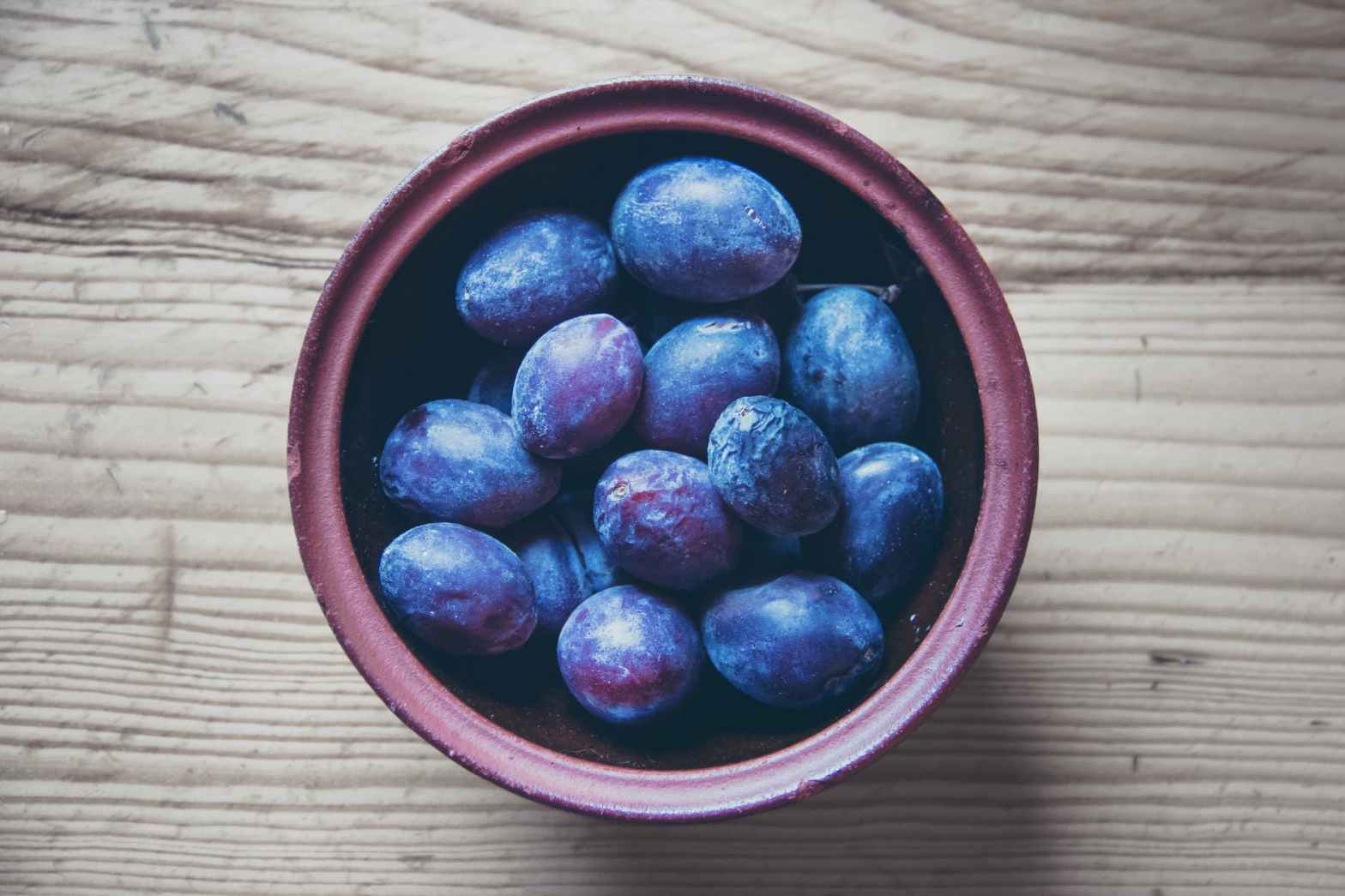
Ləm à ghə nkha ədzͻ̀, mbû nsû, nti’i nniŋə a məme àkaŋə nkwusə.  (Lem went and harvested plums, came back, prepared it, put it in a dish, and covered.)

The sequential markers m and n as illustrated above refer to the same person  “Ləm”.  Without these markers, the sentence cannot be coherent. Thus there is a degree of cohesion between these markers and the person for several verbs in a sequence.  

Advertisements
The Personal Pronoun in Nkwen Language https://www.youtube.com/watch?v=BlwSpS0eLyc&list=PL_ihUsy6_PLKYRhQJ1B65SZ5XN1sLjNBk Nouns in Nkwen Language The quarantine is doing more good than harm. My home skills just got better The Future Tense in Nkwen Language
Advertisements
Advertisements

Pages

Advertisements

The /gh/ sound in Nkwen Language

Advertisements
Nkwen Language Lessons https://www.youtube.com/watch?v=hUxKr8OnLBI&list=PL_ihUsy6_PLIGXM9vFSgIaP5EP1vbDokZ
Advertisements

The /gh/ sound in Nkwen Language is one of the double consonant sounds. In most cases, it features at the initial and medial positions. Below are some words with the /gh/ sound followed by a short reading exercise.

GH  gh

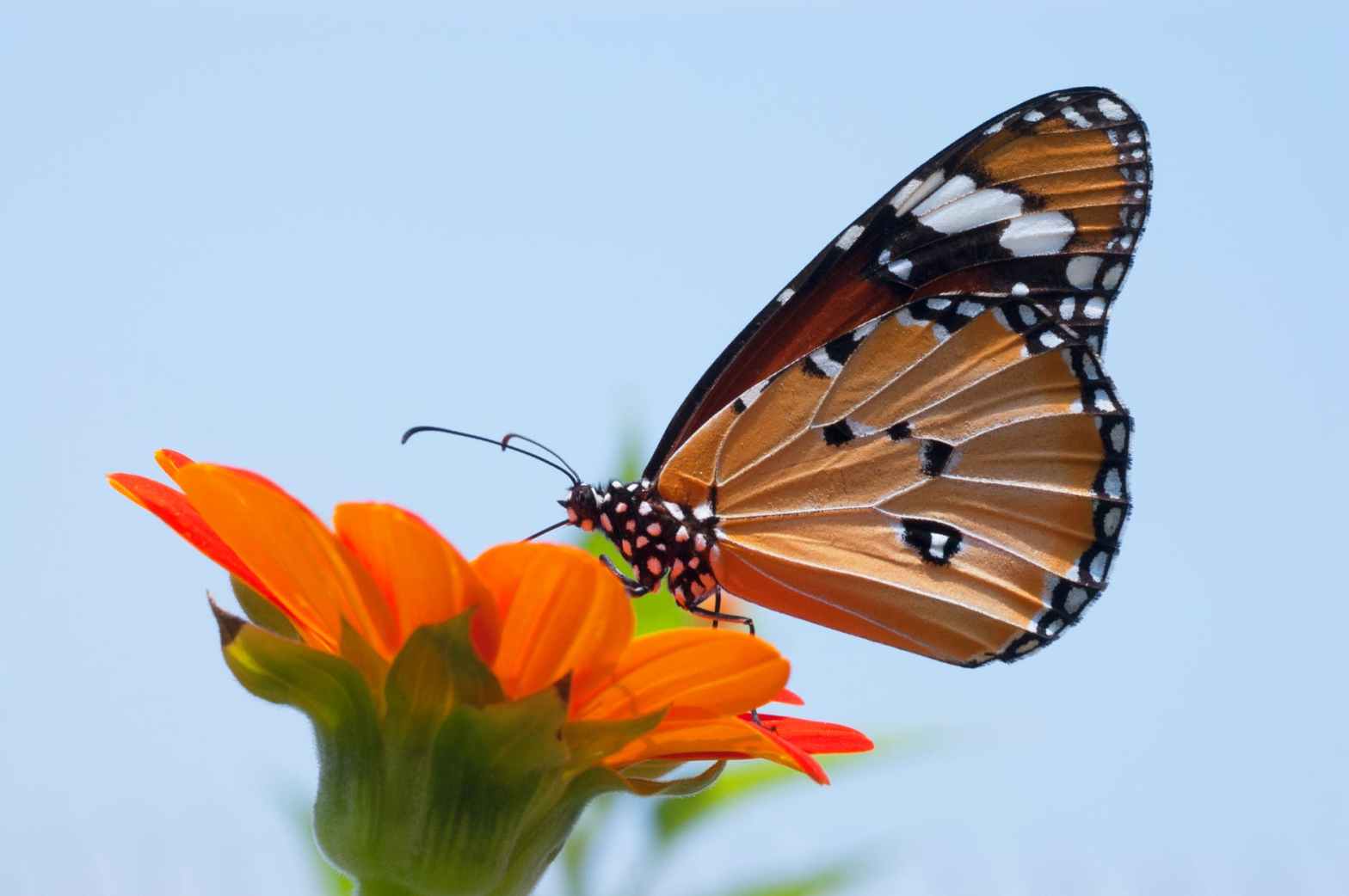
ghәghanә →  a butterfly

ghә  →  to go

ghә̀rә → to do

ghaˀa  → big, plenty

ghòˀo  → to grind

ghàbә̀rә → talk off sense

ghantә  →  take a walk

àghònә  →  sickness

ghàrә̀  →  rowdiness

àghә̀mә̀  →  time

Advertisements

ghuˀusә  →  to honor

àghuˀusә̀  → honor

nghùˀùsә   →  worship

àghòˀò  →  stew

àghanә̀  → a visit

àghὲrә →  a jug

àghaˀà  →  a joke

ghàrә̀ngòˀo →  a scattered one

   Mә̀toŋtәnә̀

      Ǹgwinà bә ghàrә̀ngòˀo. À bàbә̀rә susu. À ghә̌ aghanә ngà nә̀ghәmǝ a tyә ǹjwe, mboŋnә̌ ma atyә zhi gharәkә.  Mma yi a tә̀ә yi, la a loo ma àghaˀà. À bә lya ghә biˀi ǝghonә ma ǝ bikakә zhi bә.

Advertisements
The /gh/ sound in Nkwen Language The Nkwen Language Alphabet The Future Tense in Nkwen Language The present Tense in Nkwen Language
Advertisements

Latest Posts

Advertisements

Pages

Advertisements

The /g/ sound in Nkwen Language

Advertisements

G g

Ǹgòˀò  → a stone

Nkwen Language lessons https://www.youtube.com/watch?v=hUxKr8OnLBI&list=PL_ihUsy6_PLIGXM9vFSgIaP5EP1vbDokZ The Nkwen Language Alphabet
Advertisements

The /g/ sound is a voiced sound that comes mostly in the medial positions and rarely at the beginning of some words in the Nkwen Language. Below are some examples and a reading exercise.

G  g

ǹgarә̀  → a gun

ǹˀә̀  → suffer

Ǹgәlo → female name

Ǹgaŋtә̀ˀә →  name  (m)

Ànga  →   name  (m)

Àŋganә̀→ a big thief

gàŋә  →  to hold

Ǹgәtsә̌  → name (f)

Ǹgòˀò  → a stone

Ǹgòˀòmә̀naŋә → name (m)

Ǹgәfò  →  name (f)

Advertisements

Ǹgәlaˀà → name (f)

Ǹgәnә̀fә̀mә → name (f)

Ǹgәgha  → name (f)

Ǹgwi → name (f)

Ǹgәlwù  → name (f)

Ǹgwinà   → name (f)

Ǹgwibә̀sәrә̀ → name (f)

Ǹgwibenә̀ →   name (f)   

Advertisements

  Mә̀toŋtәnә̀

  Ǹgòˀòmә̀naŋә̀ bwo Ǹgәnә̀fә̀mә fε wwa. Bwo ghә̌ ghantә Ǹgәǹjàŋә̀ ma bwo-bwo dzwi әkoˀo alà әzo. Ǹnu zha bònkә̀ susu mbәˀәma bwo-bwo bә lya tәmә ngarә kә nyә mәlùˀù.

Free Translation

Ngomenang and Ngeniform are going for a walk. They are going to visit Ngenjang with whom they are going to dance at a death celebration tomorrow. They are so excited because they shall fire guns and drink wine.

The /g/ sound in Nkwen Language Nkwen Language Alphabet and some Grammatical Aspects
Advertisements

Click the link below for more Nkwen Language Lessons.

Nkwen Language Lessons

Nkwen Language Gospel Readings For Year C

Responsorial Psalm Chants For Sundays

Aspects Of The English Language

Basic Mathematics

Home

Advertisements

Latest Posts

Advertisements

Page List

The /j/ sound in Nkwen Language

Advertisements

J j

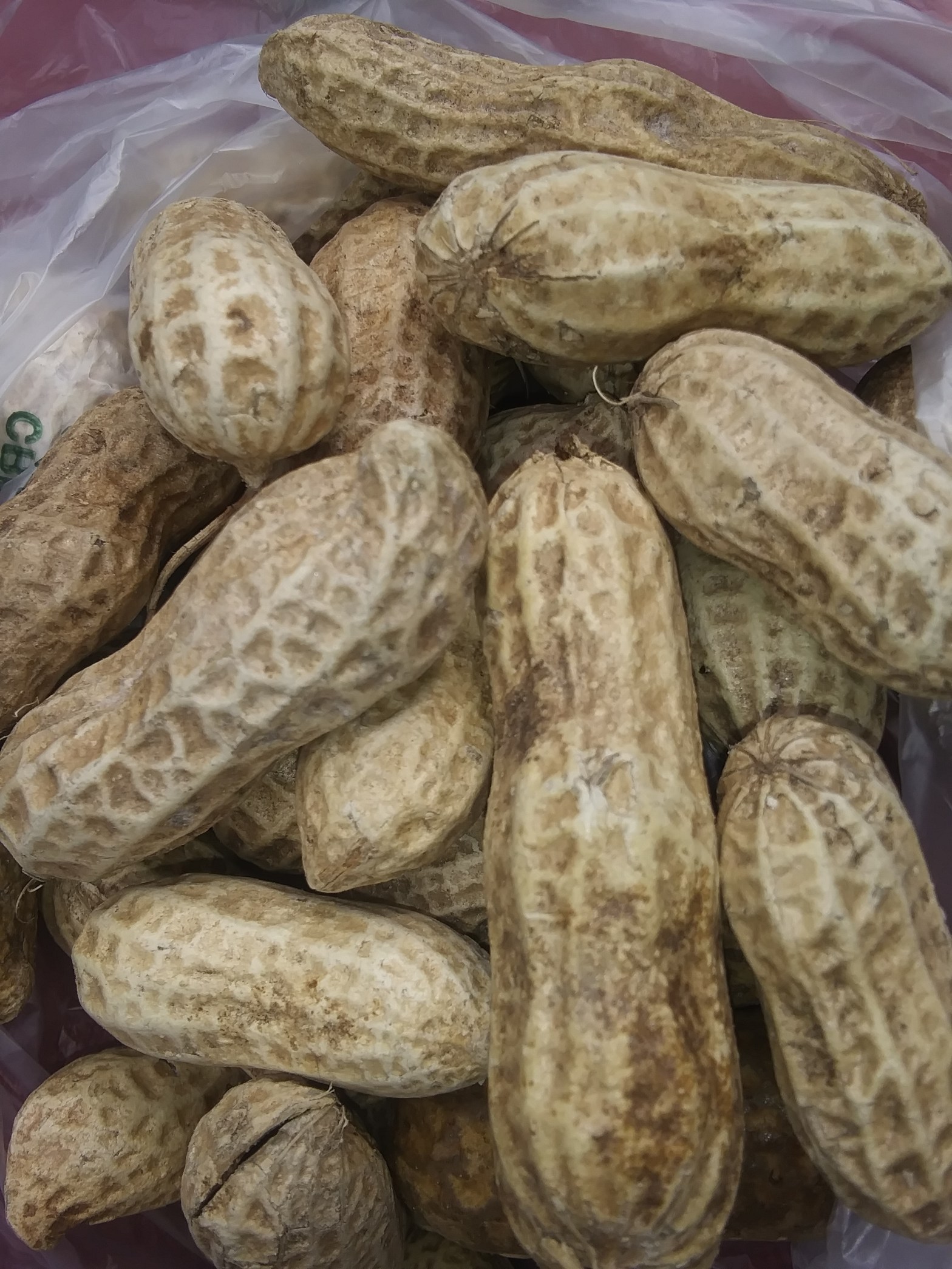
mәǹjyә̌ →groundnuts

https://www.youtube.com/watch?v=hUxKr8OnLBI&list=PL_ihUsy6_PLIGXM9vFSgIaP5EP1vbDokZ
Advertisements

The /j/ sound is a voiced sound in Nkwen Language which is found mostly at the medial positions in some words. Below are examples of such words and a text on the /j/ sound.

J   j 

ә̀jyә  →  a feast

ǹjì  → hungar/a name (m)

Ǹjìngàŋә  → a name (f)

àjì  →  an omen

ǹjya  →  soup

mәǹjyә̌ →groundnuts

ǹjyә̌    →  a fine

àjìjìˀì   →  a germ that enters the soles of the feet.

Advertisements

Mә̀toŋtәnә̀

    Nә̀wo tiˀi әjyә ngùˀu mә̀karә wǐ. Boŋә ǹjì kakә ŋu adiˀi nәwo bu zaŋә mbәˀәma bә nә ŋgha mәjyә wu àmbwo ŋù ntsә̀mә̀. Bә̀ bâtsә ghasә әdiˀi a diˀi nәwo susu. Bwo jyә mәjyә bwo bǔ nkwεrә mâtsә nniŋә әbàa bwo, ŋkә ku mәlaˀa mә nәwo tsεˀὲ mә̀tsә̀mә̀.

Free Translation

Funerals are feast nowadays. You can’t go hungry at a funeral because food is shared with everyone. Some people are a nuisance at funerals. After eating they would want to take some of the food home. They also move from house to house at the funeral.

Advertisements

Listen to this audio version.

The /j/ sound in Nkwen Language https://www.youtube.com/watch?v=BlwSpS0eLyc&list=PL_ihUsy6_PLKYRhQJ1B65SZ5XN1sLjNBk The Nkwen Language Alphabet The Past Tense in Nkwen Language
Advertisements

Click the link below to study other Nkwen Language Lessons and more.

Nkwen Language Lessons

Gospel Of Third Sunday in Ordinary Time, Year C 

Aspects Of The English Language

Home

Advertisements

Latest Posts

Advertisements

Page List

The /i/ sound in Nkwen Language

Advertisements

The /i/ sound in the Nkwen Language

I i

àtǐ  →   a tree

Playlist on YouTube

Advertisements

The /i/ sound in Nkwen Language is a vowel. It is used in building most words as seen below.

I    i

biŋә  →  answer

biŋsә̂  → to ask

bìˀi  →  to carry

àbìˀì  → load

àdìˀi  → a place

àdì  → tragedy

àli  →  incense

ә̀lyi  →  soldier ants

Advertisements

mbyi  →  a goat

àliliŋә  →  a bat

àlìŋә̀  →  witchcraft

m̀mi  → the eyes

zǐ  →  to sweep

Bisә̂  → to smooth

Advertisements

  Mә̀toŋtәnә̀

 À kә̀ bә әzo, Binywε zǐ abî zhì ma ǝ̀lyi kә̀ kǔ wә. À kә̀ swiŋә ambwo moo yì Ǹgwà ŋgә a lo fәngwaŋә niŋә mәmә nkyì nfεˀεrә әlyi wu wә. Əlyi wu zә fәngwaŋә fya nkhә̀kә̀ wwa.

Free Translation

Binwie swept her compound that was invaded by soldier ants yesterday. She asked her son Ngwa to put salt in water and sprinkle on the soldier ants. The soldier ants saw the salt and ran away.

Advertisements

Advertisements

Click the link below to follow more lessons on Nkwen Language and others.

Nkwen Language Lessons

Gospel Of Third Sunday in Ordinary Time, Year C 

Aspects Of The English Language

Basic Mathematics

General Knowledge Questions and Answers Revision

Responsorial Psalm Chants For Sundays

Home

Advertisements

Latest Posts

Advertisements

Page List

Playlist on YouTube

Nkwen Language Wise Saying Mǝbǎkò’ò

https://youtube.com/c/TaminangThereseN

Nkwen Language Wise Sayings 

 This post “Nkwen Language Wise saying Mǝbǎkò’ò ” is made up of figures of speech and idioms often used by the Nkwen people to pass on important messages about life. A Literal translation very close to the exact meaning of the different wise sayings has been attempted. This community of people has many of these wise sayings. More of them had been presented in two different posts:

Wise Sayings in Nkwen Language part 3

More On Wise Sayings In Nkwen

Advertisements
Nkwen Language Wise Sayings

Àbàa ntəǝ nə̀ kàa nluu.

An Advice bag never gets full.

Advertisements
S/No Nkwen Free Translation
1 Àbàa ntəǝ nə̀ kàa nluu. An advice bag never gets full. (You continue to get advice or learn till your last day, even in events you think you are an expert.)
2 Boŋə m̀bì’inə̀ kàkə atyə̌ chyà. The shoulder can never be above the head. (A slave, “worker, student, wife” can never be above his master “boss, teacher, husband”.)
3 M̀bàŋə nə̀lwenə̀ ə̀ bə moo. An old-age walking stick is a child. (An encouragement for parents to take good care of their children and to children who take good care of their old-aged parents.)
4 Moo tə̀ zu’u ǹtèe mya kù zhə̀ nsansə. A child who never listens to his mother’s advice shall face his/her doom. (A warning to recalcitrant children)
5 Ngwo nə̀ kǎ moo ngwo dàŋə njwe. A dog cannot give birth to a different species. (Said when a child grows with the good or negative qualities of a parent)
6 O tə kuu moo ŋù ò jwe wwò. When nursing another man’s child bring yours forth. (Said in situations where an adopted child despises his/her caretakers)
7 Fya azuŋə ambwo ŋù wuma a zhi ǹdwènə̀. Give something to one who knows the value. (Said in a situation where someone takes good care of something)
8 À̀wuŋə nə̀ tə kwi afò a ǹnà kàkə̌ m̀yə̀. A hunting session does not end because animals are finished in the bush. (We do not stop an activity because the enjoyment or pleasure is not still there but because we have to keep time.)  
9 Boŋə ò ka kù’u bǔ ŋù tòŋə ò kàkə̌ ǹfὲ’ὲ njya zhì zhi. If you’ve never eaten achu (a traditional dish) with someone you’ll never know how he consumes the soup. (If you’ve never lived with someone, you’ll never know his/her attitude.)
10 Ǹchə̀ ngwo dzwi nə ngwo. A curse on a dog remains with it. (Said when we need not revenge a bad act from someone but leave it to God’s judgment.)
  11 Boŋə o ka ndya dzwi bə bǐtə̀ ǹjyǎ zhə̀ nə̌ nkyǐ.   If you are not present, water will be added to your soup. (If you are not present, you’ll always be cheated.)
12 Bǝ̌ tyə mbenə mə ndya bə nə̀ ngrə-məkwε. Fighting within the household is done with elbows. (Infighting within siblings should never be done fiercely)
13 Ǹdya tə̀ sa’anə̀ bə awε̌ ŋu.  A family with no quarrels is the absence of people. (Said as a consolation to a family or group of people who are quarreling or fighting)
14 Àbwo bikàkǝ̌ ntsù adàŋə̀ dàŋə nku’u. An empty hand never goes to the mouth. (Said when someone needs a reward for a service or when someone has to feed on what is available and not what he likes)
15 Ə̀tyə bya boŋə nchya zi mo’o. Two heads are better than one. (We need to journey or reason with others for we are not perfect)
16 O tə tòŋə akù’u ò zə̂ ǹjya zhi za’a. See the achu soup first before boring it. (Foresee before embarking on any project)
17 “Mə̀ nkə̀ la zhi” ǹtsə̀mə zoŋə bə ndzə̀̀mə̀. “Had I known” always comes last. (Said when an omission brings negative results)
18 Mə̀tànə ŋù bə nə̀li zhi. A man’s choice is his eyes. (Said when one has to see something before making a personal choice or decision.)
19 Ndyâ bikàkə nə bǝ̀ nshwe. A house cannot burn with people inside. (A problem can’t go unresolved when people are present.)
20 A ka mətanə kə ghə o kə mbəŋə nə ala’a shu’u. If you can’t go to the market don’t wish the rain on people there. (Do not sabotage if you are not taking part in something)
21 Tə zhi ntsǝ̀mǝ̀ mbu’u. An innocent person is in God’s grace. (Said when someone is not guilty of something or is accused when he/she is not guilty)
Advertisements

Related Posts

More on Wise Sayings in Nkwen Language

Wise Sayings in Nkwen Language part 3

Nkwen Language Lessons

https://youtube.com/c/TaminangThereseN

Advertisements


Advertisements

Nkwen Language Wise Sayings Mǝbǎkò’ò

https://youtube.com/c/TaminangThereseN

Advertisements

Àbàa ntəǝ nə̀ kàa nluu. An Advice bag never gets full.

Advertisements

More on Wise Sayings in Nkwen Language

S/No Nkwen Free Translation
1Àbàa ntəǝ nə̀ kàa nluu.An advice bag never gets full. (You continue to get advice or learn till your last day, even in events you think you are an expert.)
2Boŋə m̀bì’inə̀ kàkə atyə̌ chyà.The shoulder can never be above the head. (A slave, “worker, student, wife” can never be above his master “boss, teacher, husband”.)
3M̀bàŋə nə̀lwenə̀ ə̀ bə moo.An old-age walking stick is a child. (An encouragement for parents to take good care of their children and to children who take good care of their old-aged parents.)
4Moo tə̀ zu’u ǹtèe mya kù zhə̀ nsansə.A child who never listens to his mother’s advice shall face his/her doom. (A warning to recalcitrant children)
5Ngwo nə̀ kǎ moo ngwo dàŋə njwe.A dog cannot give birth to a different species. (Said when a child grows with the good or negative qualities of a parent)
6O tə kuu moo ŋù ò jwe wwò.When nursing another man’s child bring yours forth. (Said in situations where an adopted child despises his/her caretakers)
7Fya azuŋə ambwo ŋù wuma a zhi ǹdwènə̀.Give something to one who knows the value. (Said in a situation where someone takes good care of something)
8À̀wuŋə nə̀ tə kwi afò a ǹnà kàkə̌ m̀yə̀.A hunting session does not end because animals are finished in the bush. (We do not stop an activity because the enjoyment or pleasure is not still there but because we have to keep time.)  
9Boŋə ò ka kù’u bǔ ŋù tòŋə ò kàkə̌ ǹfὲ’ὲ njya zhì zhi.If you’ve never eaten achu with someone you’ll never know how he consumes the soup. (If you’ve never lived with someone, you’ll never know his/her attitude.)
10Ǹchə̀ ngwo dzwi nə ngwo.A curse on a dog remains with it. (Said when we need not revenge a bad act from someone but leave it to God’s judgment.)
  11Boŋə o ka ndya dzwi bə bǐtə̀ ǹjyǎ zhə̀ nə̌ nkyǐ.  If you are not present, water will be added to your soup. (If you are not present, you’ll always be cheated.)
12Bǝ̌ tyə mbenə mə ndya bə nə̀ ngrə-məkwε.Fighting within the household is done with the elbows. (Infighting within siblings should never be done fiercely)
13Ǹdya tə̀ sa’anə̀ bə awε̌ ŋu. A family with no quarrels is the absence of people. (Said as a consolation to a family or group of people who are quarreling or fighting)
14Àbwo bikàkǝ̌ ntsù adàŋə̀ dàŋə nku’u.An empty hand never goes to the mouth. (Said when someone needs a reward for a service or when someone has to feed on what is available and not what he likes)
15Ə̀tyə bya boŋə nchya zi mo’o.Two heads are better than one. (We need to journey or reason with others for we are not perfect)
16O tə tòŋə akù’u ò zə̂ ǹjya zhi za’a.See the achu soup first before boring it. (Foresee before embarking on any project)
17“Mə̀ nkə̀ la zhi” ǹtsə̀mə zoŋə bə ndzə̀̀mə̀.“Had I known” always comes last. (Said when an omission brings negative results)
18Mə̀tànə ŋù bə nə̀li zhi.A man’s choice is his eyes. (Said when one has to make a personal choice or decision.)
19Ndyâ bikàkə nə bǝ̀ nshwe.A house cannot burn with people inside. (A problem can’t go unresolved when people are present.)
20A ka mətanə kə ghə o kə mbəŋə nə ala’a shu’u.If you can’t go to the market don’t wish the rain on people there. (Do not sabotage if you are not taking part in something)
21Tə zhi ntsǝ̀mǝ̀ mbu’u.An innocent person is in God’s grace. (Said when someone is not guilty of something or is accused when he/she is not guilty)
Advertisements

Related Posts

More on Wise Sayings in Nkwen Language

Wise Sayings in Nkwen Language part 3

Nkwen Language Lessons

https://youtube.com/c/TaminangThereseN

Advertisements

Latest Posts

Advertisements

Page List

Collective, Uncountable, Abstract Nouns in Nkwen Language

Collective Nouns in Nkwen Language

àtàrə̀ bəsəŋə    – a flock of birds

Watch on Youtube

Nouns in Nkwen Language on Youtube

Advertisements
Advertisements

Collective Nouns in Nkwen Language

Ndurǝ-ǝdzuŋǝ̀

nkàa nyǔ  a swamp of bees

ngəŋə məmbǒ   a bunch of bananas

àtàrə nko’òndzə̀mə̀ – a herd of cattle

àtàrə̀ bəsəŋə    – a flock of birds

nno bə     –  a crowd of people

ngəŋə nəngùŋə   a bunch of  plantains

nə̀bəŋə nə ndə̀ŋə   a bunch of bamboos

àkà bəzɛ̀rə     a gang of thieves

nə̀bəŋə nə əbi       – a bundle of grass

àkwǒ ətǐ       a forest of trees

ákǝ̀ka’a mǝnjyǝ̌ – a big basket of groundnuts/peanuts

àbǎ njyǎ – a bag of vegetables

nkùŋǝ̀ mǝ̀lù’ù – a crate of beer

nǝ̀dzwa’a nǝ àdzò – a cluster of plums

àyɛ̌ mǝ̀mbǒ – a cluster of bananas

ngonǝ ǝlyi – a line of soldier ants

Advertisements

Nouns that don’t change forms in Plural

Singular Plural
ngwu    
fowl
 ngwu
fowls
ngwo 
dog   
ngwo
dogs
mbyi   
goat   
mbyi
goats
nkabè
money   

nkabǝ̀
money
ǝ̀lyi
soldier ant
ǝ̀lyi
soldier ants
Nouns that don’t change forms in Plural

Advertisements

Advertisements

Uncountable nouns in Nkwen Language
Ədzuŋǝ ma boŋǝ bǝ kàkǝ seŋǝ̀

nkyǐ water
fǝ̀li’ì smoke
fə̀ngwaŋə̀ salt
mə̀wurə̀ oil
mə̀lù’ù wine
àliŋə̀ blood
ngwàsaŋǝ̀ corn
Uncountable nouns

Advertisements

Abstract nouns in Nkwen Language

Ədzuŋǝ ma boŋǝ bǝ kakǝ̌ zǝ̌ kǝ ŋa.

Mə̀luì        – anger
Mə̀lìŋnə̀  – sorrow
Mə̀chìi        – wisdom
Mə̀tenə̀     – power
Njì           – hunger
àkwὲrəntiŋə̀ – perseverance
Nə̀bòŋə̀      – beauty
 
Abstract nouns

Advertisements

Related Posts

On Youtube

Advertisements
Advertisements

Collective, Uncountable, Abstract Nouns in Nkwen Language

àtàrə̀ bəsəŋə    – a flock of birds

Advertisements
Uncountable Nouns in Nkwen Language https://www.youtube.com/watch?v=dc8rWv73yu4&list=PL_ihUsy6_PLL97Zdkho2kVy3FL_3S-5dI A TRIBUTE TO FATHER ANGEL (Piarist) Died Tuesday 06/16/2020
Advertisements

Collective Nouns

https://youtu.be/j0awirhLaDc Basic Division Without Remainders Basic Subtraction of numbers up to 20 Speaking online Part 3 – Parts of the Body and some Sentence Patterns on Nouns Speaking Lessons Online Part 2. Mother Tongue Education in Nkwen Language
Advertisements

Ndurǝ-ǝdzuŋǝ̀

ǹkàa nyǔ  a swamp of bees

ǹgəŋə məmbǒ   a bunch of bananas

àtàrə nko’òndzə̀mə̀ – a herd of cattle

àtàrə̀ bəsəŋə    – a flock of birds

ǹno bə     –  a crowd of people

ǹgəŋə nəngùŋə   a bunch of  plantains

nə̀bəŋə nə ndə̀ŋə   a bunch of bamboos

àkà bəzɛ̀rə     a gang of thieves

nə̀bəŋə nə əbi       – a bundle of grass

àkwǒ ətǐ       a forest of trees

ákǝ̀ka’a mǝnjyǝ̌ – a big basket of groundnuts/peanuts

àbǎ njyǎ – a bag of vegetables

ǹkùŋǝ̀ mǝ̀lù’ù – a crate of beer

nǝ̀dzwa’a nǝ àdzò – a cluster of plums

àyɛ̌ mǝ̀mbǒ – a cluster of bananas

ǹgonǝ ǝlyi – a line of soldier ants

Advertisements

Nouns that don’t change forms in Plural

SingularPlural
ǹgwu    
fowl
 ǹgwu
fowls
ǹgwo 
dog   
ǹgwo
dogs
m̀byi   
goat   
m̀byi
goats
ǹkabè
money   

ǹkabǝ̀
money
ǝ̀lyi
soldier ant
ǝ̀lyi
soldier ants
Nouns that don’t change forms in Plural
Advertisements
Nouns in Nkwen Language https://youtu.be/j0awirhLaDc Adding Numbers In Columns; Place Value Adding Numbers up to 20 Basic Multiplication by 2 and 3
Advertisements

Uncountable nouns
Ədzuŋǝ ma boŋǝ bǝ kàkǝ seŋǝ̀

ǹkyǐwater
fǝ̀li’ìsmoke
fə̀ngwaŋə̀salt
mə̀wurə̀oil
mə̀lù’ùwine
àliŋə̀blood
ǹgwàsaŋǝ̀corn
Uncountable nouns
Advertisements

Abstract nouns

Ədzuŋǝ ma boŋǝ bǝ kakǝ̌ zǝ̌ kǝ ŋa.

Mə̀luì        – anger
Mə̀lìŋnə̀  – sorrow
Mə̀chìi        – wisdom
Mə̀tenə̀     – power
Ǹjì           – hunger
àkwὲrəntiŋə̀ – perseverance
Nə̀bòŋə̀      – beauty

Abstract nouns
Advertisements

Related Posts

Parts of the Body in Nkwen Language

Classification of Nouns in Nkwen Language

Nkwen Language The Future Tense

Nkwen Language Past Tense

Nkwen Language Present Tense

The Nkwen Language Scheme Of Work

Click here to get more Lessons on Nkwen Language:

https://www.youtube.com/watch?v=iQjHVo7qV8w&list=PL_ihUsy6_PLIGXM9vFSgIaP5EP1vbDokZ

Advertisements

Latest Post

Advertisements

Page List

Advertisements

Days of the week in Nkwen Language : Ǹjwe Məmə̀ Nghà

Days of the week in Nkwen Language

https://youtube.com/c/TaminangThereseN


Days of the week and months of the year in Nkwen
Advertisements

Nghà Mǝnkwènǝ dzwi a nè  Njwe Nèfǎ. A week in Nkwen is made up of eight days.

Njwe Nèfǎ Mǝmǝ̀ Ngha Mǝnkwenǝ: The Eight Days of the Nkwen Week.

1. Zә̀ntye  (big country Sunday)

2. Zә̀nkhalye

3. Zә̀lye

4. Zә̀nkhaka–Zә̌k

5. Zә̀kǎ (small country Sunday)

6. Zә̀zǐ

7. Zә̀ngәfә̀kwènә

8. Zә̀nkhakâ– zә̀ntye

Advertisements
We have four days from the big Country Sunday to the small Country Sunday. We have four days from the small Country Sunday to the big Country Sunday.
1. Zә̀ntye    (big country Sunday) 5. Zә̀kǎ
(small country Sunday)
2. Zә̀nkhalye 6. Zә̀zǐ
3. Zә̀lye 7. Zә̀ngәfә̀kwènә
4. Zǝ̀nkhaka–Zә̌kǎ 8. Zә̀nkhakâ– zә̀ntye

Days of the Week in Nkwen Language (With the revised alphabet)

Months Of The Year in Nkwen Language: Bə̀ŋorə Bә ÀLùŋə̀
Wise saying in Nkwen Mǝbǎkò’o
More On Wise Saying In Nkwen
Days of the week and months of the year in Nkwen
Months Of The Year in Nkwen Language: Bə̀ŋorə Bә ÀLùŋə̀

Advertisements

Prayers And Reflections

Nkwen Language Lessons

Aspects Of The English Language

Basic Mathematics

General Knowledge Questions and Answers Revision

Responsorial Psalm Chants For Sundays

Home

https://youtube.com/c/TaminangThereseN


Advertisements