Dressing For Success In School – Comfortable School Attire for Kids Parents Should Know.

Dressing For Success In School: Creating Comfortable School Attire for Kids


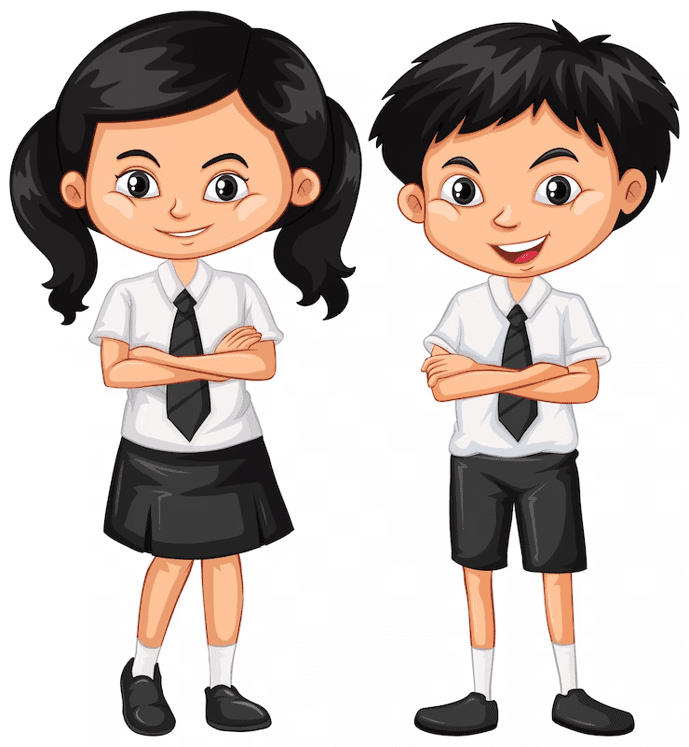
 As parents and educators, it is essential to acknowledge the significant role clothing plays in a child’s ability to concentrate and succeed academically. While school dress codes often prioritize professionalism, it is equally important to prioritize comfort for young learners. By selecting suitable school clothing, we can ensure that children feel at ease, enabling them to focus on their studies and thrive in the classroom.

1. Prioritize Comfort: Children spend several hours sitting, participating in activities, and moving around the school premises. Choosing comfortable garments is crucial to ensure they can move freely and avoid distractions. Look for clothes made from breathable fabrics such as cotton or blends that allow airflow and provide softness against the skin. Avoid restrictive clothing styles like stiff collars or tight waistbands that may hinder relaxation and concentration.

Comfortable School Attire for Kids

2. Choose Breathable Fabrics: Incorporating breathable fabrics into school uniforms or everyday attire is key to a child’s comfort. Fabrics like cotton, or linen allow air to circulate, helping to regulate body temperature and reduce sweating. This not only keeps children feeling fresh and comfortable throughout the day but also helps prevent skin irritations.

3. Consider Weather Conditions: Climate varies widely based on locations, so it’s important to consider weather conditions when choosing suitable school attire. In hotter regions, lightweight fabrics, short sleeves, and shorts are preferable to avoid overheating. Conversely, in colder climates, layering options like long-sleeved shirts, sweatshirts, and jackets should be considered. This flexibility allows children to adapt to changing weather conditions and focus on their studies without being uncomfortable.

Comfortable School Attire for Kids
Free vector running shoes cartoon illustration. flat cartoon style

4. Encourage Individual Expression: While adhering to school dress code policies, it is important to encourage children’s individuality through clothing choices. Allowing them to express their personal style within the boundaries of dress code regulations will make them more confident and content. Consider offering options like different colored shirts, patterned skirts, or accessorizing with scarves or ties. A child who feels comfortable and happy in what they wear is more likely to be engaged and motivated in their learning.

5. Make Considerations for Physical Education: Incorporating school-specific physical education activities in your clothing selections is vital. Ensure children have proper footwear, like sneakers, for running and participating in sports. Loose-fitting athletic wear such as t-shirts, shorts, or tracksuits allows for a wide range of motion during physical activities.

Teaching children to wear the appropriate attire for different activities promotes safety, comfort, and overall well-being during school hours. Selecting suitable school clothing for children is essential for creating a positive learning environment. Comfortable attire allows students to focus on their studies and engage fully in their educational journey. By prioritizing comfort, considering weather conditions, encouraging individual expression, and making provisions for physical education, parents and educators can help children feel confident and comfortable, setting them up for success in the classroom. Remember, a well-dressed and comfy student is an enthusiastic learner!

 
Comfortable School Attire for Kids


Related:


Comfortable School Attire for Kids

Sixteenth Sunday in Ordinary Time, Year A , Responsorial Psalm, Alleluia Verse And Gospel

Sixteenth Sunday in Ordinary Time, Year A , Responsorial Psalm, Alleluia Verse And Gospel

Sixteenth Sunday in Ordinary Time Year A

Responsorial Psalm – Psalms 86:5-6, 9-10, 15-16

R. (5a) Lord, you are good and forgiving.

5 You, O LORD, are good and forgiving,
abounding in kindness to all who call upon you.
6 Hearken, O LORD, to my prayer
and attend to the sound of my pleading.
R. Lord, you are good and forgiving.

9 All the nations you have made shall come
and worship you, O LORD,
and glorify your name.
10 For you are great, and you do wondrous deeds;
you alone are God.
R. Lord, you are good and forgiving.

15 You, O LORD, are a God merciful and gracious,
slow to anger, abounding in kindness and fidelity.
16 Turn toward me, and have pity on me;
give your strength to your servant.
R. Lord, you are good and forgiving.

Alleluia For Sixteenth Sunday in Ordinary Time Year A– CF. Matthew 11:25

R. Alleluia, alleluia.
25 Blessed are you, Father, Lord of heaven and earth;
you have revealed to little ones the mysteries of the kingdom.
R. Alleluia, alleluia.


Gospel For Sixteenth Sunday in Ordinary Time Year A – Matthew 13:24-43

24 Jesus proposed another parable to the crowds, saying: “The kingdom of heaven may be likened to a man who sowed good seed in his field.

25 While everyone was asleep his enemy came and sowed weeds all through the wheat, and then went off.

26 When the crop grew and bore fruit, the weeds appeared as well.

27 The slaves of the householder came to him and said, ‘Master, did you not sow good seed in your field? Where have the weeds come from?’

28 He answered, ‘An enemy has done this.’ His slaves said to him, ‘Do you want us to go and pull them up?’

29 He replied, ‘No, if you pull up the weeds you might uproot the wheat along with them.

30 Let them grow together until harvest; then at harvest time I will say to the harvesters, “First collect the weeds and tie them in bundles for burning; but gather the wheat into my barn.”‘”

31 He proposed another parable to them. “The kingdom of heaven is like a mustard seed that a person took and sowed in a field.

32 It is the smallest of all the seeds, yet when full-grown it is the largest of plants. It becomes a large bush, and the ‘birds of the sky come and dwell in its branches.’”

33 He spoke to them another parable. “The kingdom of heaven is like yeast that a woman took and mixed with three measures of wheat flour until the whole batch was leavened.”

34 All these things Jesus spoke to the crowds in parables. He spoke to them only in parables,

35 to fulfill what had been said through the prophet: I will open my mouth in parables, I will announce what has lain hidden from the foundation
of the world.

36 Then, dismissing the crowds, he went into the house. His disciples approached him and said, “Explain to us the parable of the weeds in the field.”

37 He said in reply, “He who sows good seed is the Son of Man,

38 the field is the world, the good seed the children of the kingdom. The weeds are the children of the evil one,

39 and the enemy who sows them is the devil. The harvest is the end of the age, and the harvesters are angels.

40 Just as weeds are collected and burned up with fire, so will it be at the end of the age.

41 The Son of Man will send his angels, and they will collect out of his kingdom all who cause others to sin and all evildoers.

42 They will throw them into the fiery furnace, where there will be wailing and grinding of teeth.

43 Then the righteous will shine like the sun in the kingdom of their Father. Whoever has ears ought to hear.”


Importance And Qualities of Good Backpacks For Grades K-12, Teenagers, Men And Women

Importance of Good Backpacks

Importance And Qualities of Good Backpacks For Kids, Teenagers, Men And Women.

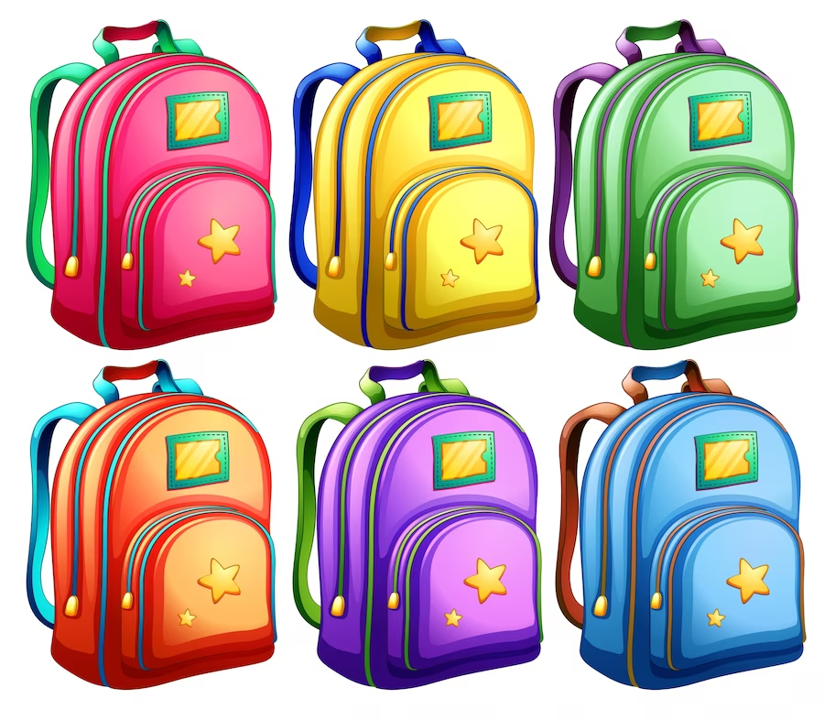
Good backpacks for kids in grades K-12 should possess several important qualities:

1. Durability: Kids can be rough with their belongings, so a good backpack be made of materials that withstand wear and. Look for sturdy fabrics like nylon or polyester.

2. Comfort: A well-designed backpack should distribute the weight evenly, reducing and discomfort. Shoulder straps and a padded back panel can help ensure a comfortable fit.

3. Size and Capacity: The backpack should be appropriately sized for child’s and body size, books, notebooks, and other school supplies without being oversized or too heavy.

4. Organization: Multiple compartments, pockets, that are essential to students to keep their belongings organized. This allows for easy access to different items and prevents the backpack from becoming a jumbled mess.

5. Reflective Details: This is crucial, especially when kids are walking to and from school. Look for backpacks with reflective materials or enhance visibility during low-light conditions.

6. Water Resistance: Kids often encounter rain, or other conditions. A backpack with water-resistant or waterproof features can protect their belongings from moisture damage.

7. Ergonomics: Backpacks with ergonomic design features, such as padded straps, a sternum strap, and a waist belt, can help distribute weight evenly and reduce strain on the child’s back and shoulders.

8. Easy to Clean: Kids can be messy, so a backpack that is easy to clean is essential. Choose a backpack with materials be wiped clean or machine.

9. Personalization: Many kids express individuality, so backpacks with various colors, patterns, or customizable features can be fun and appealing to.

Remember, when selecting a backpack for kids, involve your child in the decision-making process to ensure their preferences are considered.

Backpacks like those below are well made and meet these qualities. You may consider to make some selection for your kids and your loved ones. Don’t forget to subscribe before you leave.

Importance of Good Backpacks

Good backpacks are classified as:

Kids school backpacks

kindergarten backpacks

School backpacks for girls

School Backpacks for boys

school backpacks for teens

School backpacks for kids 10 – 12

kids school backpacks with lunchbox

School backpacks for women

Backpacks for men


Importance of Good Backpacks

More on Backpacks for kids

Store

Importance of Good Backpacks


Important Information and Communication Technology -ICT Tools For Students In Elementary And Middle Schools

ICT Tools for Kids In Elementary And Middle Schools

ICT Tools For kids In Elementary And Middle Schools

Follow us on YouTube

There are several necessary Information and Communication Technology (ICT) tools for kids in Elementary and Middle School. Here are a few examples:

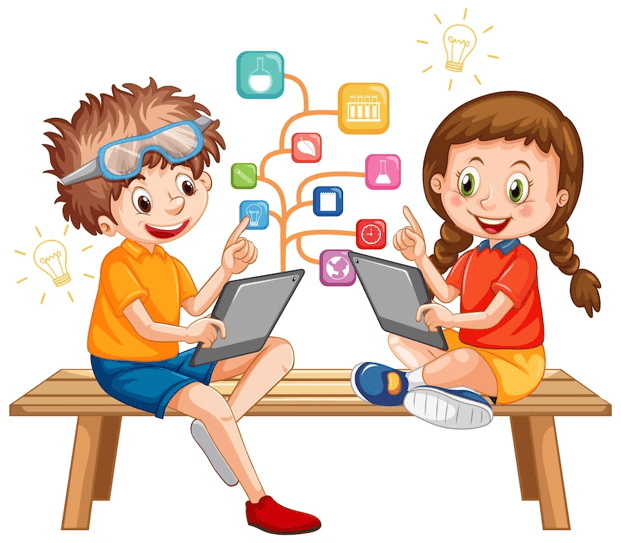
1. Computers or laptops and Tablets: These devices are essential for students to access educational software, research information, and complete assignments.

2. Internet access: Reliable internet connectivity is crucial for students to access online resources, collaborate with peers, and communicate with teachers.

3. Educational software and applications: Various educational software and apps help students practice skills, enhance learning, and engage in interactive activities.

ICT Tools for Kids In Elementary And Middle Schools

4. Productivity tools: Students can benefit from using productivity tools like word processors, spreadsheets, and presentation software to complete assignments and projects.

5. Interactive whiteboards or projectors: These tools enable teachers to display content, videos, and interactive activities, fostering an engaging learning environment.

6. Educational websites and online platforms: Access to educational websites and online learning platforms can provide additional resources, practice exercises, and interactive learning experiences.

7. Multimedia tools: Tools such as digital cameras, video cameras, and audio recorders allow students to create multimedia projects, enhancing their creativity and presentation skills.

8. Online collaboration tools: Platforms that support online collaboration, such as Google Docs or Microsoft Teams, enable students to work together on projects, share ideas, and provide feedback.

9. Learning management systems (LMS): LMS platforms help manage and organize educational materials, assignments, and assessments, allowing for efficient communication between teachers, students, and parents.

10. Online safety tools: It is crucial to have appropriate internet security measures, content filters, and parental controls to ensure a safe online environment for students.

Remember, the specific ICT tools may vary depending on the school’s resources, curriculum, and educational goals.

There are several places where you can find educational tools and supplies for elementary and middle school students. Here are a few options:

1. Local educational supply stores: Many cities have stores dedicated to educational materials. These stores offer a wide range of tools, manipulatives, books, and supplies specifically designed for students of all ages. For Example:


2. Online retailers: Websites like Amazon, Lakeshore Learning, and Really Good Stuff offer a vast selection of educational tools and supplies. You can browse through their catalogs and order items that suit your needs.

3. Teacher supply stores: Some stores cater specifically to teachers and offer a variety of educational materials. These stores often have a wide selection of supplies and resources for elementary and middle school students.

ICT Tools for Kids In Elementary And Middle Schools

4. School supply stores: Traditional school supply stores usually carry a range of educational tools and supplies. While they may not have as extensive a selection as specialized educational stores, they can still be a good option for basic supplies.

5. Educational publishers: Many educational publishers have online stores where you can find teaching resources, workbooks, and other educational materials for elementary and middle school students. Some well-known publishers include Scholastic, Pearson, and McGraw-Hill.

Remember to consider your specific needs and budget when looking for educational tools and supplies. It can also be helpful to reach out to other teachers or educators in your school or district for recommendations and suggestions.

You may also consider getting these Information and Communication Technology (ICT) tools for your kids and loved ones :

  1. Computer Accessories
  2. Desktop Computers
  3. Laptops 
  4. Tablets 
  5. Video cameras,
  6. Audio recorders
ICT Tools For kids In Elementary And Middle Schools

Related:


Responsorial Psalm, Alleluia Verse And Gospel For Fifteenth Sunday in Ordinary Time Year A

Fifteenth Sunday in Ordinary Time Year A

Responsorial Psalm – Psalms 65:10, 11, 12-13, 14

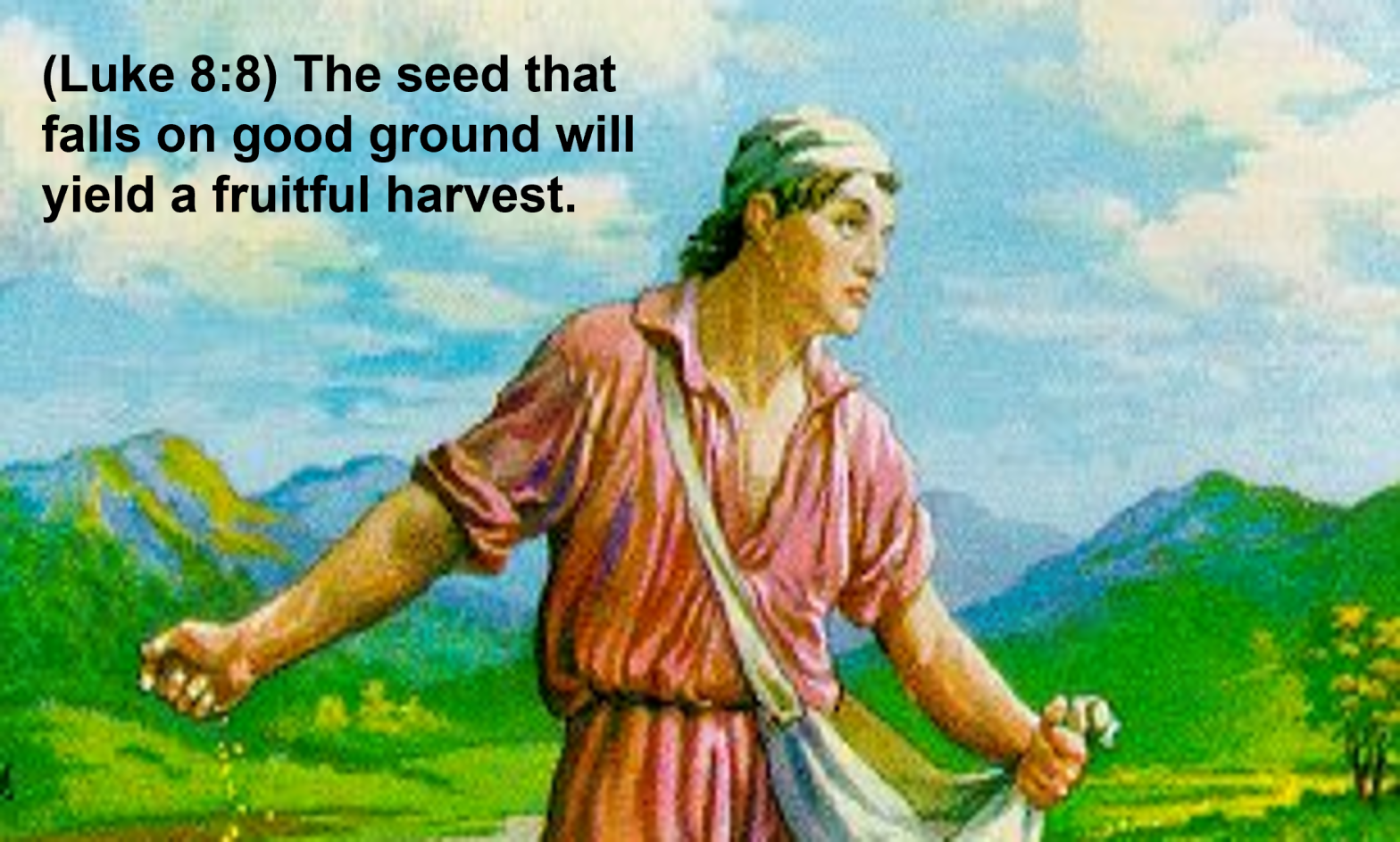
R. (Luke 8:8) The seed that falls on good ground will yield a fruitful harvest.

10 You have visited the land and watered it;
greatly have you enriched it.
God’s watercourses are filled;
you have prepared the grain.
R. The seed that falls on good ground will yield a fruitful harvest.

11 Thus have you prepared the land: drenching its furrows,
breaking up its clods,
Softening it with showers,
blessing its yield.
R. The seed that falls on good ground will yield a fruitful harvest.

12 You have crowned the year with your bounty,
and your paths overflow with a rich harvest;
13 The untilled meadows overflow with it,
and rejoicing clothes the hills.
R. The seed that falls on good ground will yield a fruitful harvest.

14 The fields are garmented with flocks
and the valleys blanketed with grain.
They shout and sing for joy.
R. The seed that falls on good ground will yield a fruitful harvest.

Alleluia

R. Alleluia, alleluia.
The seed is the word of God, Christ is the sower.
All who come to him will have life forever.
R. Alleluia, alleluia.


Gospel – Matthew 13:1-23

1 On that day, Jesus went out of the house and sat down by the sea.

2 Such large crowds gathered around him that he got into a boat and sat down, and the whole crowd stood along the shore.

3 And he spoke to them at length in parables, saying: “A sower went out to sow.

4 And as he sowed, some seed fell on the path, and birds came and ate it up.

5 Some fell on rocky ground, where it had little soil. It sprang up at once because the soil was not deep,

6 and when the sun rose it was scorched, and it withered for lack of roots.

7 Some seed fell among thorns, and the thorns grew up and choked it.

8 But some seed fell on rich soil, and produced fruit, a hundred or sixty or thirtyfold.

9 Whoever has ears ought to hear.”

10 The disciples approached him and said, “Why do you speak to them in parables?”

11 He said to them in reply, “Because knowledge of the mysteries of the kingdom of heaven has been granted to you, but to them it has not been granted.

12 To anyone who has, more will be given and he will grow rich; from anyone who has not, even what he has will be taken away.

13 This is why I speak to them in parables, because they look but do not see and hear but do not listen or understand.

14 Isaiah’s prophecy is fulfilled in them, which says: You shall indeed hear but not understand, you shall indeed look but never see.

15 Gross is the heart of this people, they will hardly hear with their ears, they have closed their eyes, lest they see with their eyes and hear with their ears and understand with their hearts and be converted, and I heal them.

16 “But blessed are your eyes, because they see, and your ears, because they hear.

17 Amen, I say to you, many prophets and righteous people longed to see what you see but did not see it, and to hear what you hear but did not hear it.

18 “Hear then the parable of the sower.

19 The seed sown on the path is the one who hears the word of the kingdom without understanding it, and the evil one comes and steals away what was sown in his heart.

20 The seed sown on rocky ground is the one who hears the word and receives it at once with joy.

21 But he has no root and lasts only for a time. When some tribulation or persecution comes because of the word, he immediately falls away.

22 The seed sown among thorns is the one who hears the word, but then worldly anxiety and the lure of riches choke the word and it bears no fruit.

23 But the seed sown on rich soil is the one who hears the word and understands it, who indeed bears fruit and yields a hundred or sixty or thirtyfold.”

Important Back-to-school Supplies For Kindergarteners – 8th Graders – Guidelines For Parents

Back-to-school supplies For Kids 

Important Back-to-school Supplies For Grades K-8 – A Guide To All Parents


Back-to-school supplies For Kids 
Back-to-school supplies For Kids – Guidelines For Parents

When it comes to back-to-school needs for grade one to eight kids, here are some important items to consider: 
1. School supplies: This includes essentials like
pencils,
pens,
erasers,
rulers,
scissors,
glue sticks,
colored pencils,
markers,
highlighters,
notebooks, 
folders,
and Binders,
Sports outfits
Check with your child’s school for a specific supply list.
2. Backpack: A sturdy backpack with enough room to hold books, notebooks, and other supplies is essential. Look for one with adjustable straps and pockets for better organization.
3. Lunchbox: If your child brings lunch from home, a durable lunchbox or lunch bag is important to keep their food fresh and organized.
4. Water bottle: Encourage your child to stay hydrated throughout the day by providing them with a reusable water bottle that they can easily refill.
5. Clothing and shoes: Depending on your child’s school dress code, make sure they have appropriate clothing and comfortable shoes for daily wear.
6. Personal hygiene items: Pack travel-sized toiletries such as hand sanitizer, tissues, and wet wipes to promote good hygiene habits.
7. Technology tools: If required by the school, consider providing your child with a tablet, laptop, or other necessary technology tools for remote learning or assignments.
8. Organization tools: Help your child stay organized with items like a planner, calendar, or whiteboard to keep track of assignments, due dates, and extracurricular activities.
9. Art supplies: If your child enjoys art, consider providing them with additional art supplies like –
paints,
brushes,
Paint and brushes
sketchbooks,
and clay.
10. Face masks: Given that some kids, especially those in the semi-urban and suburbs go to school in dusty areas, and some kids do various art works in school, it’s important to have a supply of comfortable and well-fitting face masks for your child to wear at school.
11. Other accessories
Remember to involve your child in the process of selecting these items to make them feel excited and prepared for the upcoming school year.

Remember to involve your child in the process of selecting these items to make them feel excited and prepared for the upcoming school year.

The Importance of workbooks to kids cannot be overemphasized. The following is a list of important workbooks that can bring great successes to kids’ education.


Back-to-school surplies guidelines

More on school supplies

Store

Other Accessories

Back-to-school supplies For Kids 


Shop

Store

Other Accessories

Other Educational Materials


Related Posts:

PRODUCT CATEGORIES


Responsorial Psalm, Alleluia Verse And Gospel For Fourteenth Sunday in Ordinary Time, Year A

Fourteenth Sunday In Ordinary Time Year A

Responsorial Psalm and Gospel for Fourteenth Sunday In Ordinary Time Year A

 Psalms 145:1-2, 8-9, 10-11, 13, 14

R. (cf. 1) I will praise your name for ever, my king and my God.
or:
R. Alleluia.

1 I will extol you, O my God and King,
and I will bless your name forever and ever.
2 Every day will I bless you,
and I will praise your name forever and ever.
R. I will praise your name for ever, my king and my God.
or:
R. Alleluia.

8 The LORD is gracious and merciful,
slow to anger and of great kindness.
9 The LORD is good to all
and compassionate toward all his works.
R. I will praise your name for ever, my king and my God.
or:
R. Alleluia.

10 Let all your works give you thanks, O LORD,
and let your faithful ones bless you.
11 Let them discourse of the glory of your kingdom
and speak of your might.
R. I will praise your name for ever, my king and my God.
or:
R. Alleluia.

13 The LORD is faithful in all his words
and holy in all his works.
14 The LORD lifts up all who are falling
and raises up all who are bowed down.
R. I will praise your name for ever, my king and my God.
or:
R. Alleluia.

Gospel for
Fourteenth Sunday In Ordinary Time Year A

Alleluia – CF. Matthew 11:25

R. Alleluia, alleluia.
25 Blessed are you, Father, Lord of heaven and earth;
you have revealed to little ones the mysteries of the kingdom.
R. Alleluia, alleluia.

Gospel for Fourteenth Sunday In Ordinary Time Year A
Matthew 11:25-30

25 At that time Jesus exclaimed: “I give praise to you, Father, Lord of heaven and earth, for although you have hidden these things from the wise and the learned you have revealed them to little ones.

26 Yes, Father, such has been your gracious will.

27 All things have been handed over to me by my Father. No one knows the Son except the Father, and no one knows the Father except the Son and anyone to whom the Son wishes to reveal him.”

28 “Come to me, all you who labor and are burdened, and I will give you rest.

29 Take my yoke upon you and learn from me, for I am meek and humble of heart; and you will find rest for yourselves.

30 For my yoke is easy, and my burden light.”


The Ecosystem – What is the ecosystem For Kids 4 -12?

The Ecosystem

– What is the ecosystem?


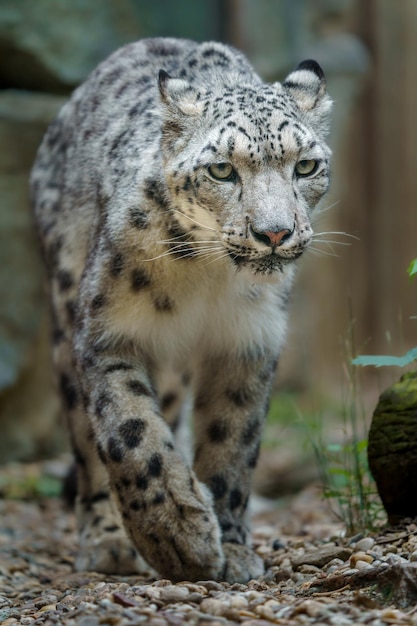
Once upon a time, in a dense forest, there lived a variety of animals. Among them were the monkey, the lion, the leopard, the hippopotamus, the crocodile, the deer, and the squirrels. The monkey was a playful and mischievous creature who loved to swing from tree to tree and snatch fruits from unsuspecting animals. The lion was the king of the forest, a majestic and powerful creature who ruled over all the animals. The leopard was a stealthy predator who hunted for its prey under the cover of darkness. The hippopotamus was a massive and docile creature who spent most of its time lounging in the river.

The crocodile was a fearsome predator who lurked in the water, waiting for its next meal. The deer was a graceful and timid creature who roamed the forest in search of food. The squirrels were tiny and nimble creatures who scurried up and down the trees, collecting nuts and seeds. Despite their differences, the animals of the forest lived in harmony, respecting each other’s space and needs. The monkey would often play pranks on the other animals, but they knew it was all in good fun. The lion would protect the weaker animals from predators, and the hippopotamus would provide a cool respite for the animals on hot days.

The crocodile was feared by many, but it too had a role to play in the ecosystem. It kept the fish population in check and prevented overfishing. The deer was a source of food for many predators, but it also helped to spread the seeds of plants throughout the forest. The squirrels were an essential part of the forest’s food chain, providing food for larger predators and helping to disperse seeds. In the end, the animals of the forest knew that they needed each other to survive. They respected each other’s differences and worked together to maintain a delicate balance in the ecosystem. And so, they lived on, in peace and harmony, in the heart of the forest.

Snow leopard

The ecosystem is a complex and interconnected web of living and non-living things that exist together in a particular environment. It is made up of various components such as plants, animals, microorganisms, soil, water, air, and sunlight. Each component plays a crucial role in maintaining the balance and sustainability of the ecosystem. Plants are the foundation of the ecosystem as they produce oxygen, absorb carbon dioxide, and provide food for animals. They also help in soil formation and prevent soil erosion.

Animals, on the other hand, help in pollination, seed dispersal, and nutrient cycling. They also serve as a source of food for other animals and humans. Microorganisms such as bacteria, fungi, and viruses are essential for the ecosystem as they help in decomposing organic matter and recycling nutrients. They also help in maintaining the soil structure and fertility.

Soil is another critical component of the ecosystem as it provides a habitat for plants and microorganisms. It also helps in regulating the water cycle and storing carbon. Water is essential for all living things, and it plays a crucial role in the ecosystem by providing a habitat for aquatic plants and animals. It also helps in the transportation of nutrients and waste products. Air is also a vital component of the ecosystem as it provides oxygen for living things and helps in regulating temperature and humidity.

Sunlight is essential for photosynthesis, which is the process by which plants produce food. The ecosystem is a delicate balance, and any disturbance can have significant consequences. Human activities such as deforestation, pollution, and climate change are causing severe damage to the ecosystem. Deforestation leads to soil erosion, loss of habitat, and a decrease in biodiversity. Pollution leads to the contamination of soil, water, and air, which can have adverse effects on the health of living things.

Climate change is causing changes in temperature and rainfall patterns, which can have severe consequences on the ecosystem. To maintain the balance and sustainability of the ecosystem, it is essential to take measures to protect it. This can be done by reducing pollution, conserving water, planting trees, and reducing greenhouse gas emissions. It is also important to educate people about the importance of the ecosystem and the role they can play in protecting it.

As a whole, the ecosystem is a complex and interconnected web of living and non-living things that exist together in a particular environment. Each component plays a crucial role in maintaining the balance and sustainability of the ecosystem. It is our responsibility to protect and preserve the ecosystem for future generations.

Vector cute dolphin playing at coral reef


Best Books on Ecosystem in Enviromental Education.

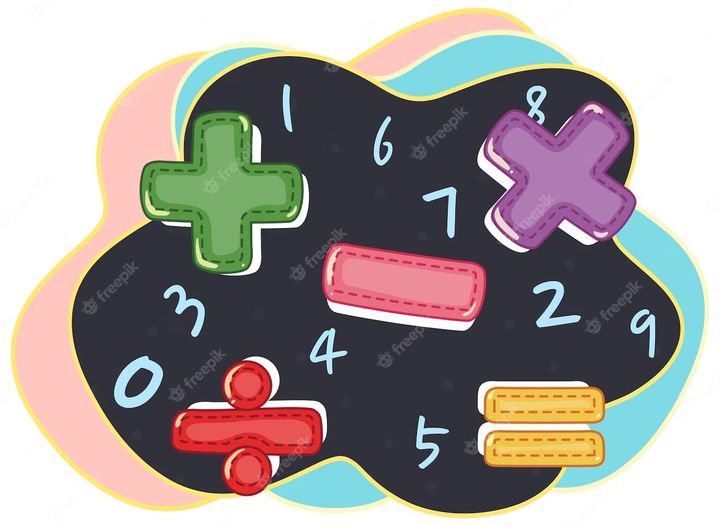
The Fantastic Four: Addition, Subtraction, Multiplication, and Division for Elementary School Kids

The Fantastic Four: Addition, Subtraction, Multiplication and Division for Elementary School Kids

Introduction

Mathematics is an exciting world full of numbers, patterns, and problem-solving. As elementary school students embark on their mathematical journey, they encounter four fundamental operations: addition, subtraction, multiplication, and division. These operations form the building blocks of mathematical understanding and are essential for problem-solving in everyday life. In this post, we will explore these fantastic four rules and explain their importance in a way that is fun and engaging for young learners.

1. Addition

The Joining Operation: Addition is all about putting things together or joining groups. It helps us find the total when we combine two or more numbers. For example, if you have 3 apples and your friend gives you 2 more, you can use addition to find out how many apples you have now. So, 3 apples + 2 apples = 5 apples. Remember, the “+” sign represents addition!

2. Subtraction

The Taking Away Operation: Subtraction is the opposite of addition and helps us find the difference between two numbers or take away a group from another. Imagine you have 7 marbles, and you give your friend 3. How many marbles do you have left? By using subtraction, we can find the answer: 7 marbles – 3 marbles = 4 marbles. The “-” sign represents subtraction!

3. Multiplication

Multiplication is also knwn as The Repeated Addition Operation: Multiplication is like adding groups of numbers together. It helps us find the total when we have equal groups of the same size. For instance, if you have 4 boxes, and each box contains 2 candies, you can use multiplication to find out how many candies you have in total. So, 4 boxes x 2 candies = 8 candies. The “x” sign represents multiplication!

4. Division

Division is  also known as The Sharing Operation: Division is the opposite of multiplication and helps us share or divide things equally among a group. For example, if you have 12 cookies and you want to share them equally among 3 friends, you can use division to find out how many cookies each friend will get. So, 12 cookies ÷ 3 friends = 4 cookies each. The “÷” sign represents division!

Summarily, understanding the four fundamental operations of mathematics is crucial for elementary school kids. Addition helps us join groups, subtraction helps us take away, multiplication helps us add groups together, and division helps us share equally. By mastering these fantastic four rules, young learners gain problem-solving skills that can be applied to real-life situations. So, let’s embrace the world of mathematics and have fun exploring the possibilities with addition, subtraction, multiplication, and division!

Below are four excersises based on the fantastic four. Kids who practice them would discover that Mathematics is fun and all it takes is simply to understand and practice the Fantastic Four in different styles.

Some important books on the Fantastic Four your may consider for your kids are:

1. Addition

2. Subtraction

3. Multiplication

4. Division

5. Mathematics Workbooks for various Grades 


The Fantastic Four

Here are 50 simple questions on Addition, calculate and say your answers.

1. 4 + 6 = ?

2. 8 + 3 = ?

3. 2 + 9 = ?

4. 7 + 2 = ?

5. 5 + 8 = ?

6. 3 + 7 = ?

7. 1 + 5 = ?

8. 6 + 4 = ?

9. 9 + 3 = ?

10. 2 + 4 = ?

11. 5 + 3 = ?

12. 7 + 8 = ?

13. 9 + 2 = ?

14. 4 + 3 = ?

15. 6 + 5 = ?

16. 1 + 9 = ?

17. 8 + 2 = ?

18. 3 + 2 = ?

19. 7 + 4 = ?

20. 5 + 6 = ?

21. 9 + 7 = ?

22. 2 + 6 = ?

23. 8 + 4 = ?

24. 1 + 7 = ?

25. 3 + 8 = ?

26. 6 + 9 = ?

27. 4 + 2 = ?

28. 5 + 7 = ?

29. 8 + 1 = ?

30. 9 + 4 = ?

31. 2 + 5 = ?

32. 7 + 5 = ?

33. 6 + 2 = ?

34. 4 + 9 = ?

35. 1 + 3 = ?

36. 3 + 5 = ?

37. 8 + 9 = ?

38. 2 + 8 = ?

39. 7 + 3 = ?

40. 5 + 4 = ?

41. 9 + 6 = ?

42. 4 + 1 = ?

43. 6 + 8 = ?

44. 1 + 4 = ?

45. 3 + 6 = ?

46. 7 + 1 = ?

47. 5 + 9 = ?

48. 9 + 8 = ?

49. 2 + 3 = ?

50. 8 + 7 = ?


Here are 50 simple questions on subtraction, calculate and say your answers.

1. 15 – 3 =

2. 8 – 4 =

3. 7 – 5 = 

4. 11 – 2 = 

5. 16 – 9 =

6. 14 – 6 =

7. 20 – 11 =

8. 9 – 2 =

9. 12 – 8 =

10. 13 – 5 = 

11. 10 – 4 = 

2. 6 – 3 =

13. 18 – 11 =

14. 15 – 7 = 

15. 17 – 9 = 

16. 7 – 2 = 

17. 12 – 4 =

18. 14 – 8 = 

19. 16 – 13 = 

20. 20 – 15 = 

21. 12 – 5 = 

22. 9 – 6 =

23. 7 – 3 =

24. 8 – 2 =

25. 14 – 7 = 

26. 19 – 13 = 

27. 18 – 6 = 

28. 16 – 10 =

  29. 11 – 7 =

30. 20 – 8 =

31. 5 – 3 = 

32. 6 – 2 =

33. 9 – 5 =

34. 15 – 8 =

35. 12 – 7 = 

36. 17 – 10 = 

37. 14 – 4 =

38. 13 – 6 = 

39. 19 – 11 = 

40. 16 – 3 =

41. 11 – 8 = 

42. 18 – 15 = 

43. 7 – 4 = 

44. 9 – 3 = 

45. 10 – 6 = 

46. 12 – 9 =

47. 14 – 5 =

48. 20 – 18 =

49. 8 – 7 = 

50. 13 – 3 =


Here are 50 simple questions on multiplication, calculate and say your answers.

1. 1 x 2 =

2. 2 x 3 =

3. 4 x 5 =

4. 3 x 2 =

5. 6 x 4 =

6. 1 x 9 =

7. 7 x 6 =

8. 5 x 3 =

9. 2 x 8 =

10. 3 x 5 =

11. 4 x 2 =

12. 9 x 1 =

13. 6 x 7 =

14. 8 x 4 =

15. 2 x 6 =

16. 5 x 4 = 

17. 3 x 8 =

18. 1 x 7 =

19. 7 x 3 =

20. 4 x 6 =

21. 9 x 8 =

22. 6 x 5 =

23. 8 x 2 =

24. 3 x 4 =

25. 2 x 1 =

26. 5 x 7 =

27. 9 x 6 =

28. 5 x 8 =

29. 7 x 2 =

30. 4 x 3 =

31. 3 x 7 =

32. 1 x 4 =

33. 6 x 9 =

34. 2 x 7 =

35. 8 x 1 =

36. 5 x 6 =

37. 4 x 8 =

38. 7 x 5 =

39. 6 x 3 =

40. 9 x 4 =

41. 2 x 9 =

42. 8 x 3 =

43. 1 x 5 =

44. 6 x 2 =

45. 3 x 9 =

46. 7 x 8 =

47. 4 x 9 =

48. 9 x 3 =

49. 1 x 3 =

50. 5 x 2 =


Here are 50 simple questions on division, calculate and say your answers:

1. 10 ÷ 2 = ?

2. 25 ÷ 5 = ?

3. 18 ÷ 3 = ?

4. 36 ÷ 6 = ?

5. 48 ÷ 8 = ?

6. 15 ÷ 3 = ?

7. 64 ÷ 8 = ?

8. 30 ÷ 6 = ?

9. 21 ÷ 7 = ?

10. 12 ÷ 4 = ?

11. 27 ÷ 3 = ?

12. 42 ÷ 6 = ?

13. 50 ÷ 5 = ?

14. 80 ÷ 10 = ?

15. 24 ÷ 4 = ?

16. 35 ÷ 7 = ?

17. 16 ÷ 2 = ?

18. 81 ÷ 9 = ?

19. 40 ÷ 8 = ?

20. 14 ÷ 2 = ?

21. 63 ÷ 7 = ?

22. 20 ÷ 4 = ?

23. 45 ÷ 5 = ?

24. 72 ÷ 8 = ?

25. 28 ÷ 4 = ?

26. 90 ÷ 10 = ?

27. 32 ÷ 4 = ?

28. 56 ÷ 7 = ?

29. 9 ÷ 3 = ?

30. 60 ÷ 6 = ?

31. 11 ÷ 1 = ?

32. 84 ÷ 12 = ?

33. 15 ÷ 5 = ?

34. 100 ÷ 10 = ?

35. 25 ÷ 1 = ?

36. 44 ÷ 4 = ?

37. 70 ÷ 7 = ?

38. 36 ÷ 3 = ?

39. 77 ÷ 11 = ?

40. 120 ÷ 12 = ?

41. 49 ÷ 7 = ?

42. 22 ÷ 2 = ?

43. 16 ÷ 4 = ?

44. 27 ÷ 9 = ?

45. 50 ÷ 2 = ?

46. 81 ÷ 3 = ?

47. 24 ÷ 8 = ?

48. 35 ÷ 5 = ?

49. 12 ÷ 3 = ?

50. 99 ÷ 11 = ?


Some important Math books you may consider for kids are:


Different Animals In The World – For Kids In The Elementary School

Different Animals In The World

Animals In The World. Different animals of the world.
Animals In The World For Kids 4 – 12


More on General Knowledge

Different Animals In The World

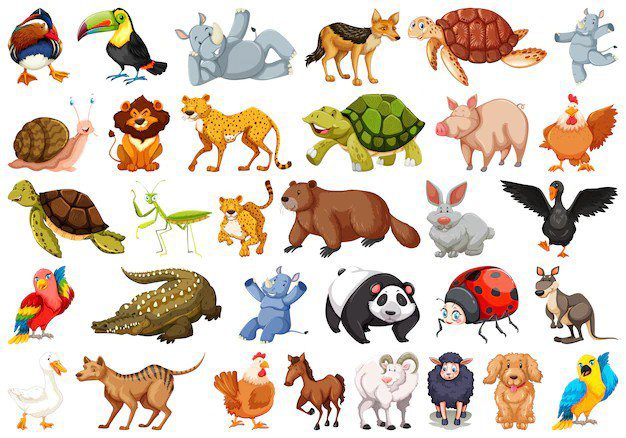
Animals are one of the most fascinating things in the world. They come in all shapes and sizes, and they live in all kinds of environments. From the cold Arctic tundra to the hot and humid rainforests, animals have adapted to live in many different places. Here are some of the different animals of the world that you might find interesting.

Polar Bears

Polar bears are one of the largest land predators in the world. They live in the Arctic, where they hunt for seals on the ice. Polar bears have thick fur and a layer of fat that helps them stay warm in the cold weather. They are excellent swimmers and can swim for long distances in search of food.

Giraffes

Giraffes are the tallest animals in the world. They live in the grasslands of Africa and have a long neck that helps them reach leaves on trees. Giraffes have a unique pattern on their coat, which helps them blend in with their surroundings and avoid predators.

Kangaroos Kangaroos are found in Australia and are known for their powerful hind legs, which they use to hop around. They are marsupials, which means that they carry their young in a pouch. Kangaroos are herbivores and eat mostly grass and leaves.

Elephants

Elephants are the largest land animals in the world. They live in Africa and Asia and are known for their long trunks, which they use to drink water, eat food, and communicate. Elephants are social animals and live in herds led by a matriarch.

Penguins

Penguins are found in the Southern Hemisphere, and they are adapted to live in cold environments. They have a thick layer of feathers that keeps them warm, and they huddle together in groups to stay warm. Penguins are excellent swimmers and can dive deep underwater to catch fish.

Snakes

Snakes are found all over the world and come in many different shapes and sizes. Some snakes are venomous and can be dangerous, while others are harmless. Snakes are carnivores and eat small animals like mice and birds.

These are just a few of the many different animals that live in the world. Each animal has its own unique characteristics and adaptations that help it survive in its environment. Learning about animals is a great way to appreciate the diversity of life on our planet.

More on General Knowledge

Important Animals of the World

It is difficult to rank animals in terms of importance as each one plays a unique role in the ecosystem. However, here are ten animals that are considered important for various reasons:

1. Bees – pollinate plants and contribute to food production

2. Coral Fish- provide habitat for fish and protect coastlines from storms

3. Wolves – help regulate prey populations and maintain ecosystem balance

4. Elephants – disperse seeds and shape the landscape

5. Sharks – help regulate marine food webs and maintain healthy ocean ecosystems

6. Bats – pollinate plants and control insect populations

7. Sea otters – help maintain kelp forests and protect other marine life

8. Birds of prey – help control rodent populations and maintain ecosystem balance

9. Bison – help maintain grassland ecosystems and provide food for other animals.

Some groups of Animals are:

1, Bison Animals

2. Marmmals

3. Herbivores or grass-eating animals

4. Canivores or flesh-eating animals

5. Reptiles 

6. Birds

7. Fishes

8. Insects

Some very good animal books for kids are:

Animals Kids’ Picture Show

Polar Bears Photos And Facts Book For Kids

Horses: Photos and Fun Facts For Kids

 Animals In The World

More on General Knowledge

Related:

Different Animals In The World – For Kids In The Elementary School