This publication aims to help pupils who, after passing through level one (Primary 1&2), reach levels two and three (Primary 3 – 6) without knowing how to read a simple text. They can give correct answers to oral questions but cannot read the questions themselves. This makes them fail their exams, not because they are dull. Some teachers also hurriedly teach the alphabet without taking into consideration some basic principles. This class of pupils is merely slow to understand and needs gradual guidance in the art of reading. This book gives answers to the difficulties faced by these pupils at all levels. Parents and teachers are advised to use this book for a better result in the performance of the Slow Learners. My granddaughter in 4k (Nursery 2) can read so well as she follows lessons in Mastering the Alphabet books 1,2, and 3.
Author Archives: N.Theresia N.
Mastering the Alphabet 2, Sounds in words, Enabling Reading for Slow Learners
This publication aims to help pupils who, after passing through level one (Primary 1&2), reach levels two and three (Primary 3 – 6) without knowing how to read a simple text. They can give correct answers to oral questions but cannot read the questions themselves. This makes them fail their exams, not because they are dull. Some teachers also hurriedly teach the alphabet without taking into consideration some basic principles. This class of pupils is merely slow to understand and needs gradual guidance in the art of reading. This book gives answers to the difficulties faced by these pupils at all levels. Parents and teachers are advised to use this book for a better result in the performance of the Slow Learners. My granddaughter in 4k (Nursery 2) can read so well as she follows lessons in Mastering the Alphabet books 1,2, and 3.
Nkwen Language Speaking online Part 3 – Parts of the Body and some Sentence Patterns on Nouns
Oral work on Nkwen Language
Numbers in Nkwen Language
mòˀo – 1
bya – 2
tarə – 3
kwà – 4
tanә̀ – 5
ǹtùu – 6
sàmba – 7
nә̀fǎ – 8
nә̀bwùˀu – 9
nә̀ghәmә̀ – 10
ǹchә̀-mo’o – 11
ǹchә̀-bya – 12
ǹchә̀-tarә – 13
ǹchә̀-nə̀kwà – 14
ǹchә̀-tanə – 15
ǹchә̀-ǹtùu – 16
ǹchә̀-sàmba – 17
ǹchә̀-nə̀fàa – 18
ǹchә̀-nə̀bwùˀu – 19
mə̀ghə̀mə məmbya – 20
Mastering the Alphabet 1 Enabling Reading for Slow Learners

This publication aims to help pupils who, after passing through level one (Primary 1&2), reach levels two and three (Primary 3 – 6) without knowing how to read a simple text. They can give correct answers to oral questions but cannot read the questions themselves. This makes them fail their exams, not because they are dull. Some teachers also hurriedly teach the alphabet without taking into consideration some basic principles. This class of pupils is merely slow to understand and needs gradual guidance to the art of reading. This book answers to the difficulties faced by these pupils at all levels. Parents and teachers are advised to use this book for a better result in the performance of the Slow Learners. My grand-daughter in 4k (Nursery 2) can read so well as she follows lessons in Mastering the Alphabet books 1,2, and 3.
More On Wise Sayings In Nkwen
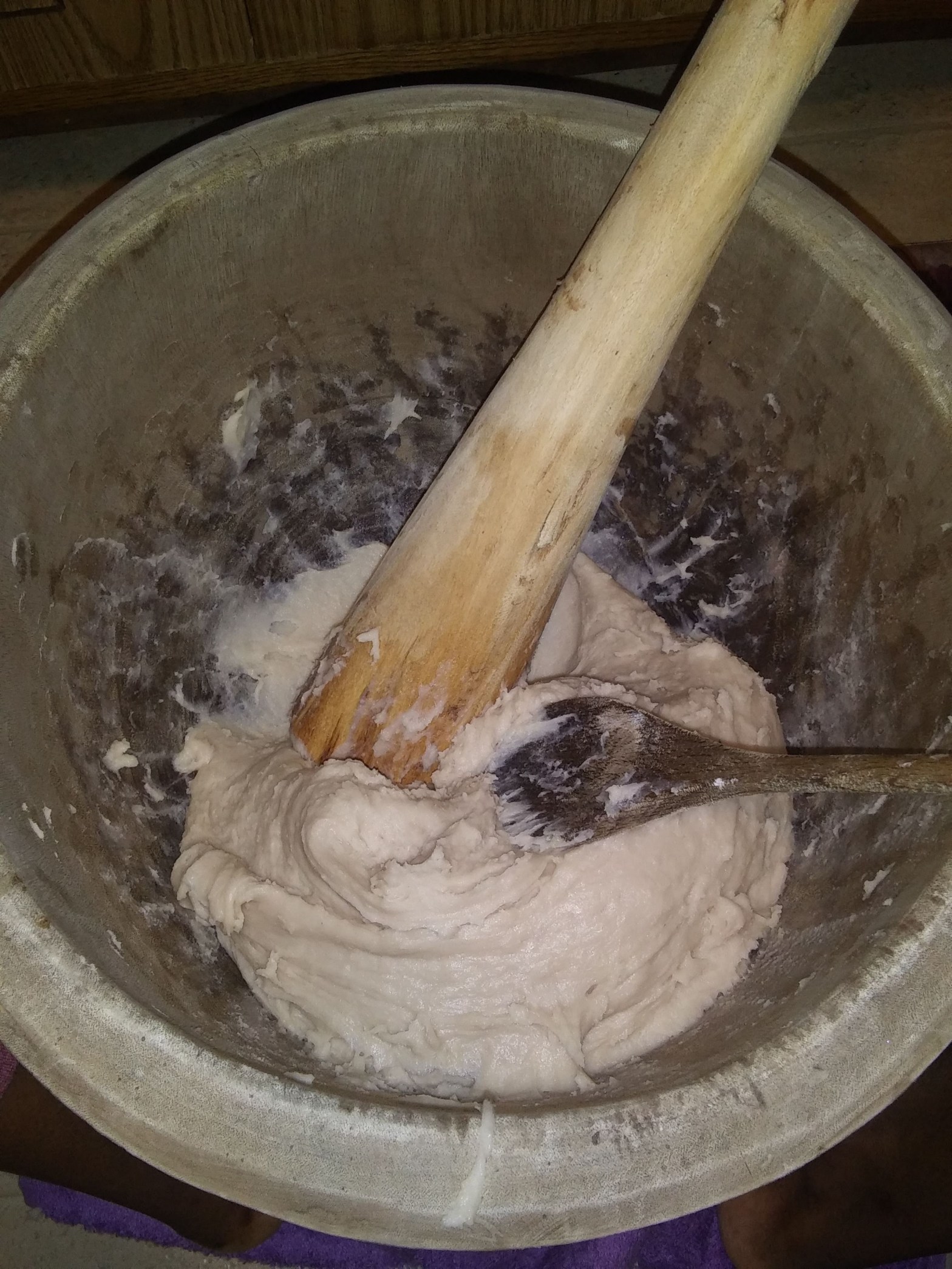
Əzduŋə nshye chya tsε’ε adaŋə adaŋə.
Unity of Noun phrases in Nkwen Language (Cohesion)
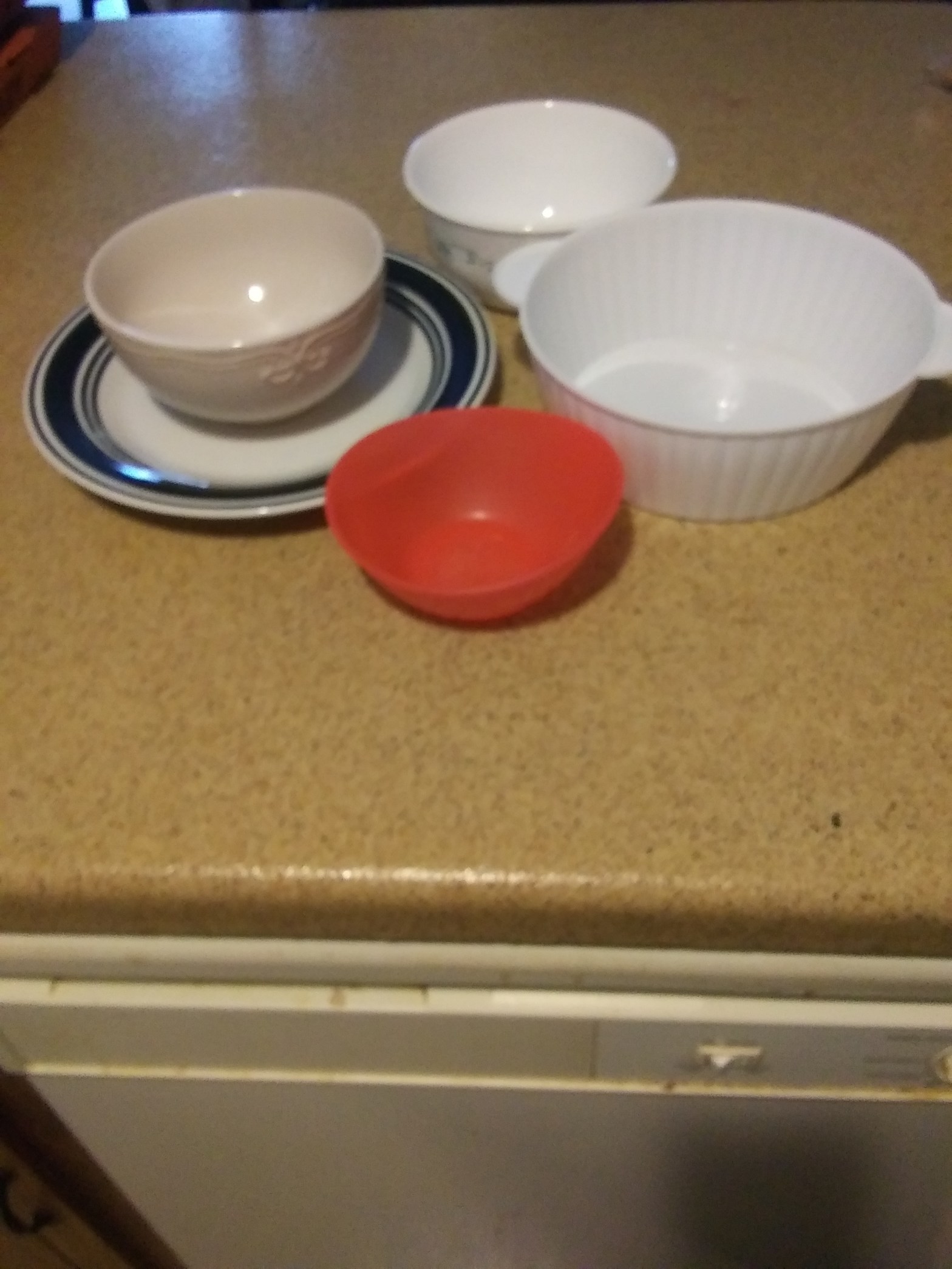
Unity of Noun phrases in Nkwen Language
Sequential Pronouns in Nkwen Language

The sequential Pronoun is noticed in Nkwen Language when a person carries out a series of activities in a sequence.
The /gh/ sound in Nkwen Language

GH gh
ghәghanә → a butterfly
The /g/ sound in Nkwen Language

G g
 Education For All